





Choosing the right iPhone comes down to what matters most to you. Having tested all 51 models Apple has ever released, we can confidently say you don't need to drop top dollar to get a premium experience.
While the powerhouse iPhone 17 Pro Max is the clear winner for tech enthusiasts who want every cutting-edge feature, the standard iPhone 17 is the smarter, more practical choice for most people. On a budget? The iPhone 17e delivers a highly capable, no-frills experience for less.
To help you decide, we’ve broken down the best iPhones for every type of user by comparing the factors that actually matter: price, performance, camera quality, and battery life. With over 1,000 phone reviews under our belt since 2005, our recommendations are backed by real-world testing and expert analysis.
Once you've found your perfect match, head over to our best iPhone deals and Apple coupon codes pages to score the best price.
The best iPhones
Why you can trust TechRadar We spend hours testing every product or service we review, so you can be sure you're buying the best. Find out more about how we test.
Below, you'll find full write-ups for each of the best iPhones in our list. We've tested each model extensively, so you can be sure that our recommendations can be trusted.
The best iPhone for most people
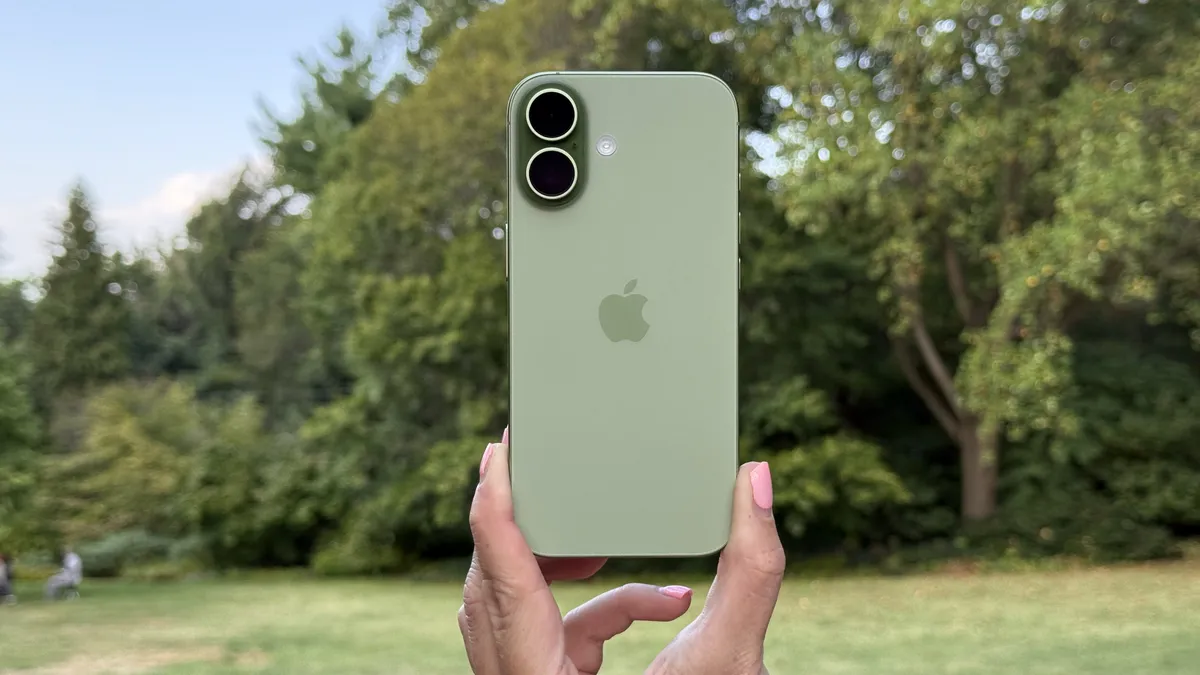


The best iPhone for most people is, without question, the standard iPhone 17, which might just be the best-value iPhone ever released.
This unassuming handset might look like the boring choice next to the flashy iPhone 17 Pro (indeed, it looks identical to the iPhone 16), but the iPhone 17 brings so many meaningful upgrades to the table that it's become hard to recommend Apple's top-end handset to anyone except power users.
For starters, the iPhone 17 boasts a bright and crisp 6.3-inch display with Apple's ProMotion technology. That means it can dynamically scale between 1Hz and 120Hz depending on the type of content on-screen, and ProMotion also gives you the option of an Always-On display, so you can view the time, date, notifications, and widgets without fully waking your phone.
In addition to that Pro-rivaling screen, the iPhone 17 also gets the same 256GB starting storage capacity, the same 18MP selfie camera, the same customizable Action button, the same Camera Control button, the same scratch-resistant Ceramic Shield 2 display cover, and all of the same iOS 26 software features (including the new Liquid Glass interface).
So, what do you miss out on versus the iPhone 17 Pro? Well, Apple's 48MP 'Fusion' camera is plenty capable on the iPhone 17, but it's no substitute for a 48MP zoom lens, which you'll find on its most expensive models. The iPhone 17 Pro also offers marginally longer battery life and faster charging, while its A19 Pro chipset is, on paper, more powerful than the iPhone 17's non-Pro variant.
Are those upgrades worth a $299 / £299 / AU$600 premium to you? If so, you're better off choosing Apple's top-of-the-line iPhone (which you'll find below). But if you're not a keen zoom photographer and aren't intending to record and edit lengthy 4K videos, I’d urge you to sit down and consider whether the cheaper iPhone 17 might actually be a better fit for your needs (take it from me: I spent a month with the iPhone 17 Pro, and then switched to the regular iPhone 17).
Read our full iPhone 17 review
The best iPhone overall


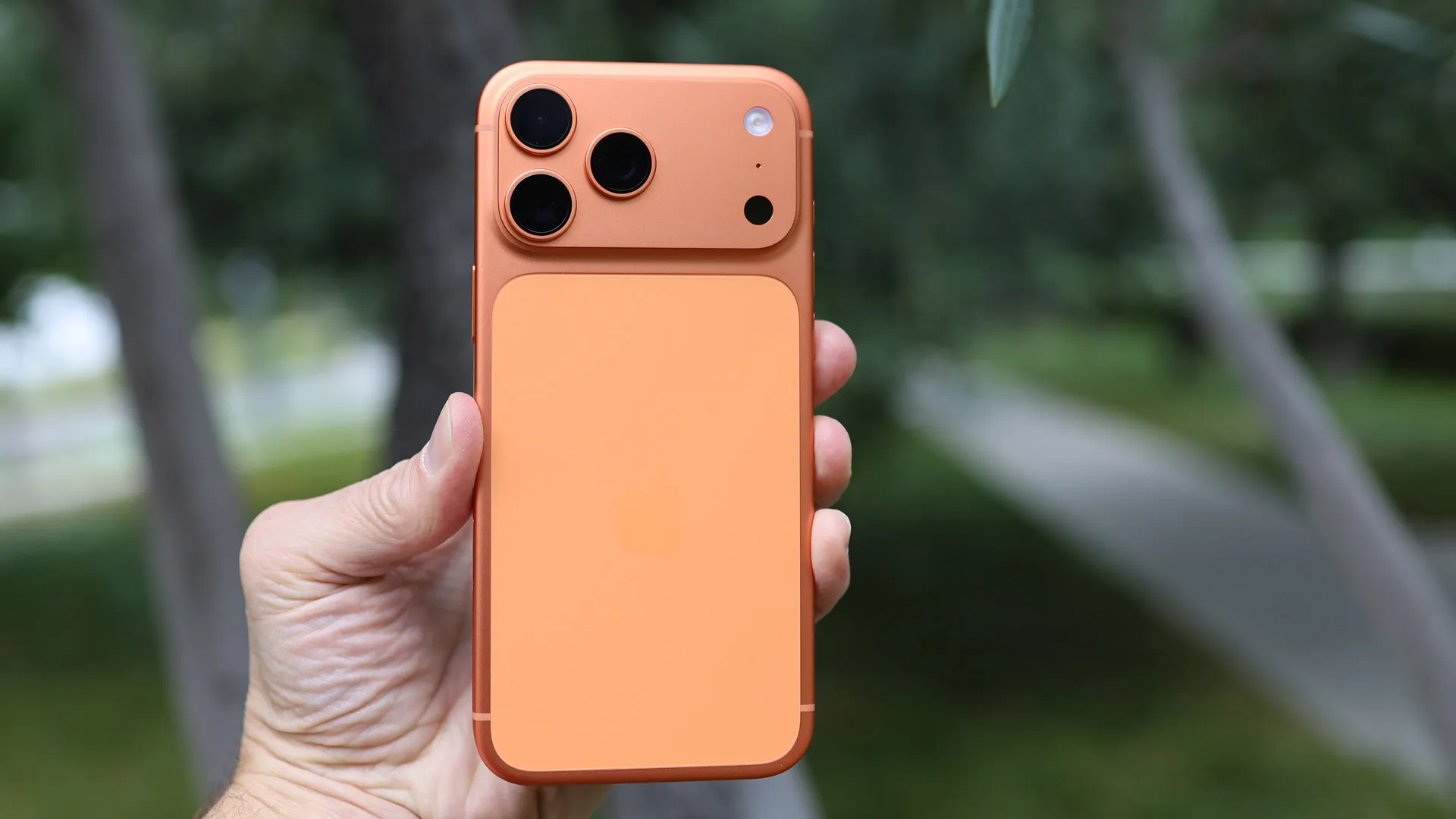


If you want the very best iPhone money can buy right now, the iPhone 17 Pro Max is the model to go for. The iPhone 16 Pro Max was already (and still is) an exceptional handset if you can pick one up at a discount from third-party retailers, but Apple's latest flagship comes with an updated design, a more powerful chipset, and superior telephoto and selfie cameras.
As above, the standard iPhone 17 is the better fit for 90% of buyers, but with its A19 Pro chipset and efficiency-friendly aluminum unibody chassis, the iPhone 17 Pro Max is among the best phones around for raw power and, as a result, one of the best gaming phones money can buy.
Surprise! This is one of the best camera phones around, too. Versus the iPhone 16 Pro Max, the 17 Pro Max sports a full-width 'Camera Plateau' that houses a new, longer telephoto lens. It's a 48MP sensor with 4x optical zoom, though Apple will also let you crop in up to 8x for 'optical-quality' zoom shots at 12MP.
In testing, we found that the iPhone 17 Pro Max delivered "fantastic photos with true-life colors and exquisite detail," and while its 48MP main and 18MP selfie cameras are the same as those on the regular iPhone 17, the Pro Max is indisputably the top choice for serious mobile photographers.
Beyond its dedicated telephoto lens, the second big selling point of the iPhone 17 Pro Max is its battery life. We managed to eke out over 30 hours of life from the phone (Apple rates it for 39 hours), and if you own a 40W-to-60W adaptive charger, you'll be able to juice up the 17 Pro Max to 50% in around 20 minutes.
It's worth noting that the 6.3-inch iPhone 17 Pro is exactly the same phone as the iPhone 17 Pro Max, but smaller and cheaper. So, if you're not fussed about owning the biggest iPhone, we'd advise going for that model instead.
Read our full iPhone 17 Pro Max review
The best budget iPhone


Beyond getting an older or pre-owned iPhone, the iPhone 17e is basically the only viable budget iPhone around. Building upon its predecessor, the iPhone 16e, Apple has taken the basic formula that uses a modern iPhone design and with a few tweaks to make it more affordable, and built upon it.
So the iPhone 17e comes still comes with a single 48-megapixel main camera, which is perfectly good at getting most of the photos one might need from a smartphone and doing away with the extra lenses the standard and Pro iPhones pack. But the latest budget Apple smartphone now has the A19 chipset, which offers plenty of power for all manner of smartphone tasks, and also gets MagSafe for wireless charging and a suite of compatible accessories, such as magnetic card holders.
Unless Android models on out best cheap phones list, the iPhone 17e doesn't come with a high-speed refresh rate, as the display has a 60Hz panel. That's not ideal in our opinion, but it's far from a deal-breaker as Apple's iOS 26 software is still so slick and smooth, in most cases, that it provides a smooth experience all the same.
Adding back some appeal is the iPhone 17e now starts at a base storage of 256GB rather than 128GB but doesn't command a higher price. So if you can do without all the bells and whistles of the other iPhones on this list, the iPhone 17e is well worth your consideration.
Read our full iPhone 17e review
Also consider

Of course, there are plenty more iPhones available than the three models we've listed above, so below, we've highlighted some alternative options.
Best iPhone 17 Pro Max alternative – iPhone Air
Apple's iPhone 17 Pro Max is the hardware champion, but the all-new iPhone Air is a stunning, design-focused handset that ranks among the best iPhones ever made for sheer style. It's hard to shoehorn the iPhone Air into its own category ('Best design', perhaps?), but with its 5.6mm frame and powerful A19 Pro chipset, it's definitely worth considering as a halfway house between the iPhone 17 and iPhone 17 Pro Max.
Best iPhone 16e alternative – iPhone 16
The iPhone 16 is $100 / £100 / AU$250 more expensive than its newer sibling (which is why it's not an appropriate budget pick), but if you can find one for the same or less money, it's the superior choice. The standard 16 gets all of the same features as the 16e, plus the Dynamic Island, an ultra-wide lens, and MagSafe compatibility.
FAQs
What is the best iPhone?
The best iPhone is usually one of the latest numbered models, but the value of each will depend on your specific needs. If you want the very best specs, go for the iPhone 17 Pro Max, while the regular iPhone 17 is a better-value choice for the majority of users. If you're not fussed about fancy cameras and extra hardware features, consider the iPhone 16e or one of Apple's last-generation models.
Which iPhone is the best value for money?
Right now, the iPhone that offers the best value for money is the regular iPhone 17. It's got a Pro-rivaling screen, as well as the same main, ultra-wide, and selfie cameras, the same buttons, and the same starting storage capacity as Apple's top-end models. The base iPhone 16 is also a great-value pick.
How to choose the best iPhone?
A lot of iPhones are quite similar to one another, so choosing which model to buy mostly just means seeing what's different between them and finding the right fit for you.
All iPhones are powerful, and Apple supports them for a long time, so age and chipset needn't be a big deal, but if you don't plan on upgrading for a long time, then a newer model with a faster chipset is ideal.
Bigger factors, though, include the screen size – and bigger isn't always better. If you want something compact that you can easily slip into a small pocket, then consider Apple's 6.3-inch models. But if you plan on doing a lot of gaming or video-watching, something larger would be better.
Resolution and refresh rate are also worth paying attention to for the optimal visual experience – the higher the better in both cases, so ideal options will have things like a 120Hz refresh rate and a resolution above 1080p.
Camera quality and battery life are important considerations, too, and you can't get a full picture of these just from a specs list, so read our full entries above (or click through to our detailed reviews) for insights into how each iPhone fares in those departments.
How we test
We've reviewed every iPhone on this list, meaning for each, we've passed our expert judgment on them after extensive testing. These reviews saw us use each phone as our main handset for at least a week, and often longer.
In the process, we would explore various use cases, including calls, texts, social media, video streaming, gaming, taking photos, and more, with some heavy use days and other lighter ones.
In short, we use our iPhones just like you would – but we make sure to test every key feature, as well as run benchmark tests, checking how long they take to charge, and more.
Using that data, we've then ranked each handset, factoring in price, value, and how they compare to one another, with a particular focus on their screens, designs, battery life, performance, and cameras.
It is worth noting that a lot of the TechRadar team use iPhones as their main phones and we're always checking out new features and updates, so we keep that in mind when assessing the phones as they mature.
- You've reached the end of the page. Jump back up to the top ^