





Nvidia's appearance at CES 2026 included the announcement of DLSS 4.5 and its availability to all RTX GPU owners, along with a new Dynamic Multi-Frame Generation (MFG) feature planned for a later date.
Fortunately, the latter has now been confirmed as inbound with a March 31 launch, as Nvidia revealed at GDC 2026. Dynamic MFG will be exclusive to RTX 5000 GPUs, and it automatically adjusts the number of artificially generated frames – with 2x, 3x, 4x, and now a 6x mode available – to ensure the gamer's target frame rate is met.
The number of additional generated frames will change based on factors such as the graphics settings and the GPU workload. So, if you're using more demanding visual settings like high details and ray tracing in a game, you can expect Dynamic MFG to use more generated frames to prevent performance dips. (Of course, that's also dependent on how powerful your GPU is).
The option to use DLSS 4.5 MFG in 6x mode will also be available for RTX 5000 GPUs, generating five additional frames for every native frame, a new high for Nvidia's tech.
This all sounds great in theory, especially Dynamic MFG which should be a set-and-forget solution for keeping frame rate performance consistent in an entirely automated way, no effort required. However, we'll need to see how stable the image quality is, and how responsive the gaming experience feels with this feature and the 6x mode.
The downside is that these new features are exclusive to RTX 5000 graphics cards, and while DLSS 4.5's base Frame Generation model will receive improvements for RTX 4000 GPUs as well, all older RTX generations will be left out – and that's exactly where a certain rival has an advantage over Nvidia.
Intel's Multi Frame Generation is more flexible than Nvidia's
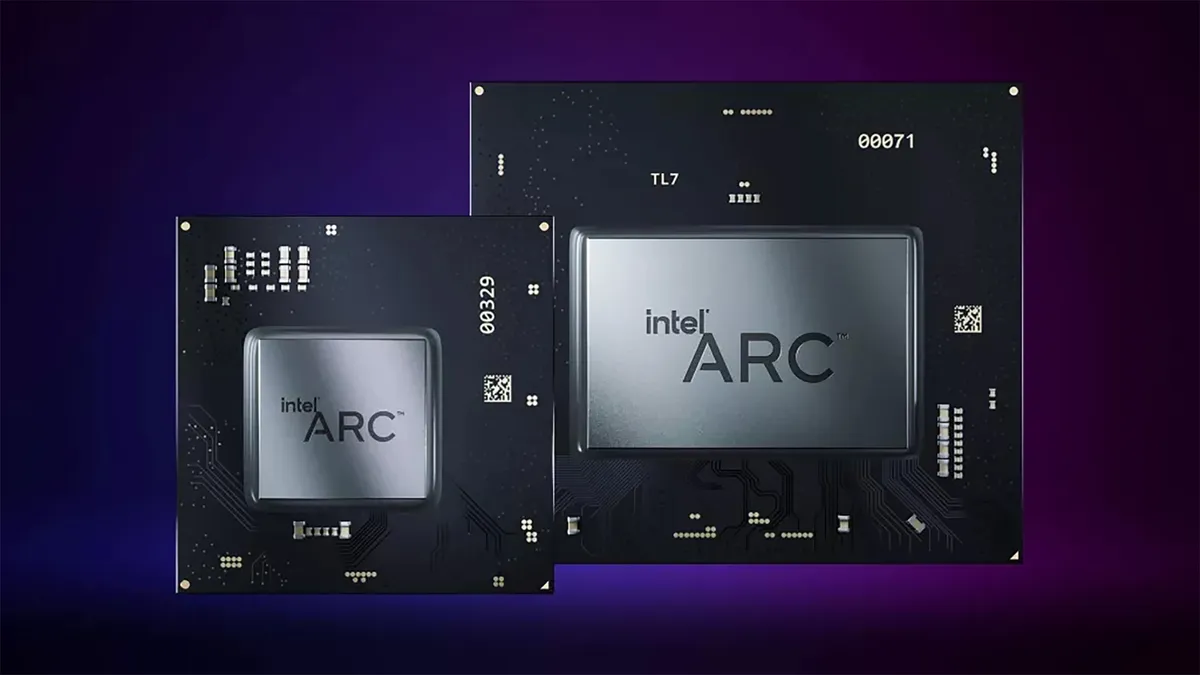
Just to be clear, I don't believe Intel's Frame Generation technology or Intel's XeSS 3 as an upscaling method holds a candle to what DLSS 4.5 can offer as a complete package. However, Intel XeSS 3 Frame Generation and Multi Frame Generation are available for all Arc-based GPUs (including integrated GPUs).
This means handheld users (notably those with the MSI Claw) and desktop Arc GPU owners will massively benefit from XeSS 3 MFG. Unlike Nvidia, which leaves RTX 3000 and older GPU generations out in the cold for Frame Generation — and without modding (or other unofficial Frame Generation models), there's not much that can be done.
It's also worth remembering that Nvidia isn't just choosing to ignore older GPU generations. There are reasons, specifically hardware limitations with those older graphics cards, as to why Frame Generation is only available for RTX 4000 or 5000 models. However, this could change in the future.
In the here and now, though, Intel's MFG and its greater flexibility and wider support is arguably a better proposition for Arc GPU owners than Nvidia's Frame Generation and MFG are for RTX GPU users. Especially as MFG, and its new trappings coming later this month, are only available to those with the very latest RTX 5000 graphics cards.
What also doesn't help Team Green's GPUs is the pricing for RTX 5000 models, particularly the higher-tier graphics cards such as the RTX 5070 and above, which are now more costly than their original MSRPs.
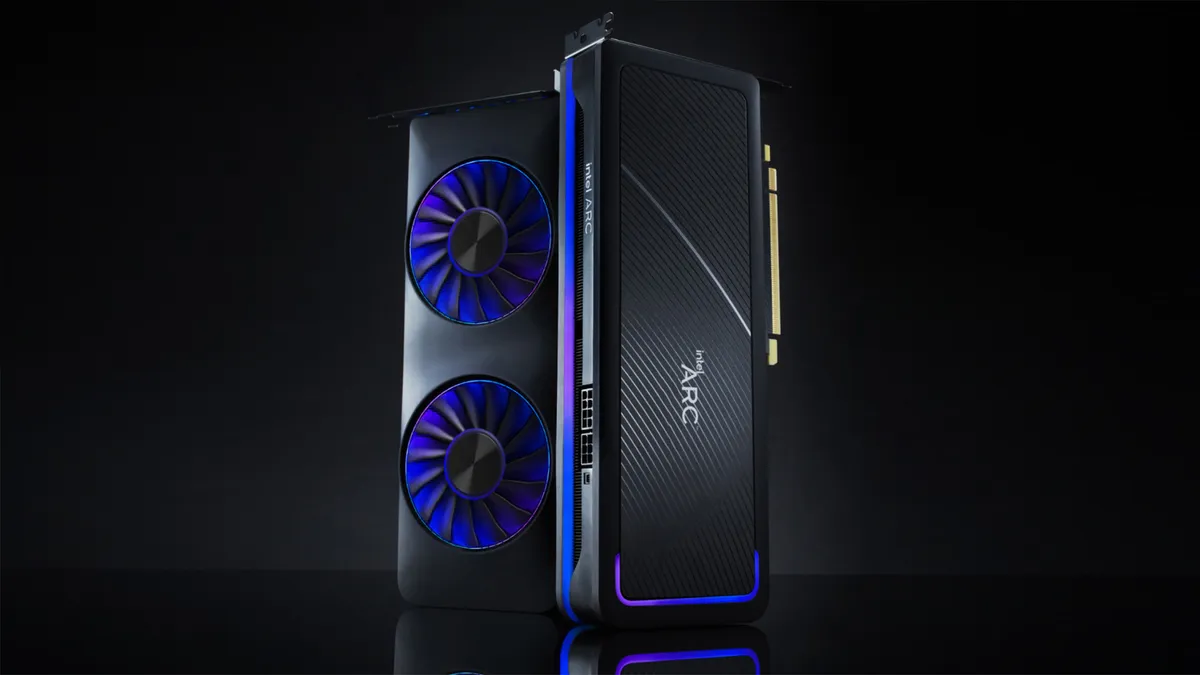
Intel's Arc GPUs are more comparable to options like the RTX 4060 Ti or RTX 5060, at very similar prices, but with higher VRAM capacities for better performance in certain games.
Once Nvidia does manage to provide DLSS Frame Generation functionality for older RTX GPUs (which I think it will), Intel will lose the main advantage it has over Nvidia (unless it somehow surpasses DLSS in image quality and performance by then).
However, as of now, Team Blue's flexible XeSS 3 beats its rival in terms of accessibility for its own Arc GPUs, and it's great to see that XeSS 3 MFG can now be implemented in games easily for developers via its SDK release. Can XeSS ever beat DLSS in terms of image quality, latency, and performance, though? I don't think so.

➡️ Read our full guide to the best graphics card
1. Best overall:
AMD Radeon RX 9070 XT
2. Best budget:
Intel Arc B580
3. Best Nvidia:
Nvidia RTX 5070 Ti
4. Best AMD:
AMD Radeon RX 7900 XTX
Follow TechRadar on Google News and add us as a preferred source to get our expert news, reviews, and opinion in your feeds. Make sure to click the Follow button!
And of course, you can also follow TechRadar on YouTube and TikTok for news, reviews, unboxings in video form, and get regular updates from us on WhatsApp too.
