





The competition in the world of cameras is hot right now, with the Sony A7 V taking the top spot in our rankings. It's one of the most impressive stills cameras we've tested, with responsive autofocus, rapid frame rates, and fantastic handling – a brilliant all-rounder. However, while it's our number one recommendation for photography, there are other cameras better suited for specific use cases and, of course, different budgets.
That's why our guide isn't restricted to just the best mirrorless cameras. We've included options to suit every skill level, like the beginner-friendly Canon EOS R10, and highlighted compacts and DSLRs, too. You'll also find relevant runners-up at the bottom of the guide – narrowing our shortlist down to just 10 entries was a tough task.
All of the models we recommend have earned their place based on comprehensive field-testing, and the TechRadar team has 15 years of experience reviewing pretty much every major camera from the leading brands. We know what makes a great camera for stills photography. No matter which camera you opt for, you can rest assured that it'll deliver stunning stills.

I'm TechRadar's Cameras Editor. With over 15 years in the photo video industry and most of those in the world of tech journalism, I have developed a deeply technical knowledge and practical experience with all things camera related. My take? If you don't need a do-it-all hybrid, you might just save some cash by opting for the camera specific to your needs. For example, a high-resolution camera will suit landscape and portrait photographers who don't need the raw power of a speedy sports camera.
Why you can trust our judgement
Every camera that we've included in this guide has been thoroughly tested by our team of expert reviewers – do check out the Meet the team section below for the low-down on each person, because they are a fab and knowledgeable bunch. We've set a testing standard for the team, too, so you can rest assured that our review process is fair regardless of who is taking the lead.
☑️ 100s of cameras reviewed
☑️ 15 years of product testing
☑️ Over 16,000 products reviewed in total
☑️ Nearly 200,000 hours testing tech
We test every camera in genuine shooting scenarios, focusing on how well it performs for stills photography. We look deeper than just image quality, assessing factors such as handling, autofocus performance, and battery life. We also look at how well each camera adapts to different styles, including portraits, landscapes, and street scenes.
Then, we factor in long-term usability and value for money. Whether you're buying your first mirrorless camera or upgrading to a full-frame powerhouse, the models we recommend have all proven themselves in the field. Our review scores are based on the independent, first-hand experience of our testers. The aim is always to give a clear and honest picture, giving you the relevant information to make an informed choice.
Our recommendations are all based on first-hand feedback. We also compare each camera against its competitors in the same price bracket to help you find the most capable photography tool for your needs and budget. Whether you’re just beginning your camera journey or are a veteran photographer, the models in this guide have all earned their place.
Meet the team
Collectively, our team of reviewers has amassed over a hundred years of camera experience and testing, covering all of the latest and greatest cameras in the last 20 years.

Mark is TechRadar's Senior News Editor and has been a technology journalist since 2004. Formerly Trusted Reviews and TechRadar's cameras editor, Mark has tested cameras over many years from all of the leading brands.

Amy has been writing about cameras, photography, and associated tech since 2009. Amy was once part of the photography testing team for Future Publishing, working across TechRadar, Digital Camera, PhotoPlus, N Photo, and Photography Week.

James Abbott is a professional photographer and freelance photography journalist. He contributes articles about photography, cameras, and drones to a wide range of magazines and websites, where he applies a wealth of experience to testing the latest photographic tech.

Jon Devo is a seasoned professional with 20 years of experience in photography and videography. After studying Journalism and Psychology at City University London in 2009, he transitioned into presenting and journalism. Jon is the founder of Devoted Creatives, a photo and video studio based in West London.

Richard Sibley is a photographer and writer passionate about travel and landscape photography. With over 15 years of experience writing and reviewing in the photo industry, he was formerly Deputy Editor at Amateur Photographer magazine and has had his words and images published in numerous other magazines and websites.
The best camera for photography
Why you can trust TechRadar We spend hours testing every product or service we review, so you can be sure you're buying the best. Find out more about how we test.
Below you'll find full write-ups for each of the best cameras on the market. The TechRadar camera team tested every entry extensively, so you can be sure that our recommendations are trustworthy and grounded in real-world observations.
The best full frame hybrid overall


Sony A7 V sample images


✅ You photograph still and moving subjects: The Sony A7 V utilizes superb subject detection autofocus and high-speed frame rates, meaning it can handle a wide range of subjects.
✅ You want stellar battery life: The A7 V outshines rivals with class-leading battery life.
❌ You want high-resolution video: Despite more pixels than the Nikon Z6 III, the A7 V only shoots 4K video, while the Canon EOS R6 III shoots open gate and the A7 V does not.
❌ You don't need the speed: The slower and older A7 IV has the same 33MP resolution and costs much less, so it could be a good alternative if you're a simple stills shooter.
Things got seriously interesting as the sun set for 2025, with Canon and Sony announcing their mid-range full-frame cameras to take on Nikon. And it's the Sony model, the A7 V, that has taken Nikon's crown in this stills-focused guide, supplanting the Z6 III thanks to its higher resolution 33MP stills with what Sony says is an incredible 16EV dynamic range.
Like the Nikon model, it also has a partially stacked sensor for higher readout speeds than its predecessor, making it an all-round speedier performer, with continuous shooting up to 30fps. Autofocus performance has seen a boost, too. In fact, Sony has rolled its AI autofocus chip and processor into one all-new chip for its slickest performance yet, which also results in the best battery life, easily beating rivals.
True, the EVF feels a little dated, but the upgraded 3.2-inch vari-angle screen with 2.1m-dot resolution is lovely. And Sony has doubled down on 4K video quality here rather than matching Canon's 7K (with open gate recording) and Nikon's 6K. It really is a fascinating match-up between the Sony A7 V, Canon EOS R6 III, and Nikon Z6 III, the latter of which is older and now costs much less. But, overall, for stills-focused shooters, the A7 V has the edge. It continually surprised us with its speed and quality.
Read our in-depth Sony A7 V review
Top alternatives...
- Canon EOS R6 Mark III – The closest rival to the A7 V with a similar feature set; on paper, Sony wins with its partially stacked and better dynamic range, but the EOS R6 III shoots 7K open-gate video.
- Nikon Z6 III – the Z6 III is a superb all-rounder with lower-resolution 24MP stills, highly detailed 6K video, and a much lower price tag.
The best mirrorless camera for beginners


Canon EOS R10 sample images


✅ You're shopping for your first camera: Powerful autofocus, good handling, and strong burst speeds put the R10 at the top of the pile for beginners.
✅ You need an affordable sports camera: Its burst speeds and autofocus make the R10 worth the price if you're looking to shoot moving subjects.
❌ You need a wide choice of native lenses: Right now, the EOS R10's main weakness is a lack of native lenses for Canon's RF mount.
❌ You'll be mostly shooting video: No headphone jack for monitoring audio, nor any in-body image stabilization to keep things steady. This isn't a vlogging camera.
It isn't the cheapest option for beginners, but we think the Canon EOS R10 is the best camera for those starting their photographic journey. Spiritual successor to Canon's popular mid-range DSLRs, the EOS R10 has two standout skills: impressive subject-tracking autofocus and speedy 15fps burst shooting, which was previously unheard of at this price. Both combine nicely to make the EOS R10 a versatile little camera for shooting all kinds of subjects, from portraits to speeding pets.
During our autofocus testing, which we conducted on cats, deer, and a rapid cockapoodle, the R10 found and tracked subjects' eyes very well, with 15fps burst speeds producing a decent hit rate.
While it isn't a compact camera, the EOS R10 is lightweight at 429g and has a deep grip that makes it well-balanced in the hand with all kinds of lenses. Unfortunately, the EOS R10 doesn't yet have many native lenses (just two at the time of writing) and lacks in-body image stabilization. But if you're happy to buy some of the many full-frame RF lenses that work well with the camera, or adapt old ones using an EF-EOS R adapter, then it's a versatile sidekick that's ideal for fledgling snappers.
Read our in-depth Canon EOS R10 review
Top alternatives...
- Nikon Z50 II – Nikon's APS-C camera is a superb all-rounder, with lower-resolution 20MP stills but Canon-beating performance.
- Sony A6100 – if you don't mind an older camera, the A6100 still offers a 24MP APS-C sensor, but other specs are a little behind the R10.
The best pro camera for stills
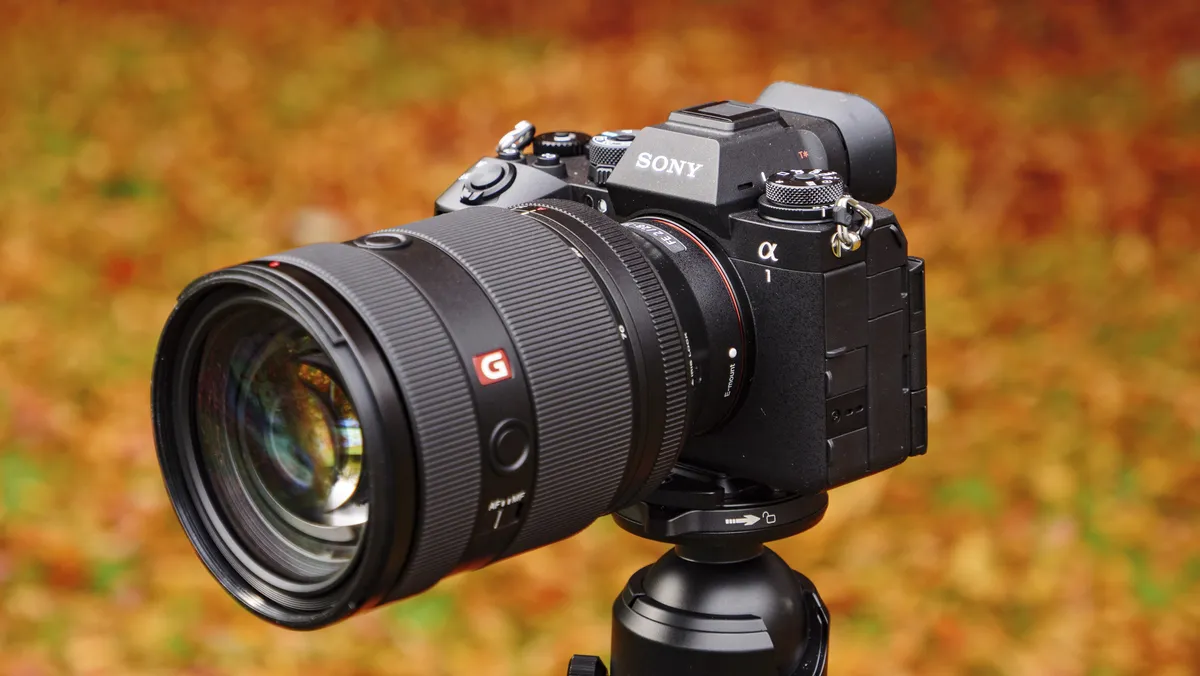


Sony A1 II sample images


✅ You want Sony's best-ever mirrorless camera: It's a modest update of the flagship A1, but there's enough in here for certain photographers to merit the upgrade.
✅ You need speed and quality: The A9 III is quicker, the A7R V has a higher resolution 61MP sensor, but the A1 II offers a compelling mix of speed and quality in one camera.
❌ You want the best bang for your buck: New Nikon and Canon rivals offer almost everything the A1 II does, but for much less money.
❌ You don’t need a do-it-all camera: Portrait and landscape photography specialists can save by opting for the 61MP A7R V, while sports-only shooters can look to the A9 II.
We found the A1 II to be Sony's most capable Alpha yet, and a camera that truly excels at almost any type of photography. What makes it special is how it combines the proven 50MP stacked sensor from the original A1 with design improvements borrowed from the A9 III, including a larger handgrip, improved 8.5EV image stabilization, and a new Auto subject-detection AF mode.
The compelling mix of speed and quality is what sets this camera apart. It delivers 30fps burst shooting with that high-resolution 50MP sensor, giving you exceptional detail for cropping while maintaining the speed needed for fast action. The AI processing unit ensures reliable autofocus across diverse subjects, from portraits to fast-moving sports, performing equally well whether you're shooting people, animals, or vehicles.
Image quality is superb, with sharp stills offering up to 15EV of dynamic range, while the enhanced stabilization delivers noticeably sharper handheld shots. Whether you're shooting portraits, sports, wildlife, or landscapes, the A1 II adapts effortlessly. It's this ability to turn its hand to virtually any photographic discipline with professional-level results that makes it such a formidable tool.
Read our in-depth Sony A1 II review
Top alternatives...
- Canon EOS R5 Mark II – The R5 II is a speedy all-rounder and is available at a lower price than the A1 II.
- Nikon Z8 – Another quick and versatile model, the 45MP Z8 is arguably Nikon's best camera ever.
The best APS C camera for enthusiasts


Fujifilm X-T5 sample images


✅ You want class-leading detail: Fujifilm's 40MP sensor delivers the most detailed pictures of any camera with an APS-C sensor.
✅ You don't need full-frame: Full-frame is the most popular sensor format with camera lovers, but a lot is going for APS-C; the format is smaller and more affordable.
❌ You shot a lot of action: If you need value, speed, and focusing skills over outright detail, the Canon EOS R7, Sony A6700, and even Fujifilm's own X-H2S are better APS-C rivals.
❌ You need the best subject tracking autofocus: The X-T5's autofocus is fine, but if you want the best, those Canon and Sony options mentioned above are more reliable.
If photo quality, portability, and retro handling float your boat, there's no better mirrorless camera with an APS-C sensor than Fujifilm's X-T5. It squeezes the powerful specs of Fujifilm's X-H2 into a relatively compact body, complete with a vari-angle screen and DSLR-style controls and dials – we found it a true pleasure to shoot with, even if there are better EVFs elsewhere.
It's the photo quality of the X-T5 that truly stands out; the stabilized (IBIS) 40MP sensor and Fujifilm's gorgeous Film Simulation color profiles combine for excellent results. This is no slouch for video, either; there's pleasant 6.2K/30p footage, even if there’s a 1.23x crop and no easy way to monitor audio, given there's no headphone jack.
The X-T5 is our favorite APS-C mirrorless camera, but if your main focus is action photography, for which you need quick and sustained burst shooting speeds and top-notch autofocus, then the Canon EOS R7 and Sony A6700 rival cameras are arguably better.
Read our in-depth Fujifilm X-T5 review
Top alternatives...
- Sony A6700 – Sony's best APS-C camera, the A6700 can't match the raw quality of the X-T5, but its autofocus is better, as is its battery life.
- Canon EOS R7 – A stellar performer, the R7 combines 33MP stills with blazing fast burst shooting and autofocus. The lack of native lenses is an issue, though.
The best Micro Four Thirds camera for enthusiasts
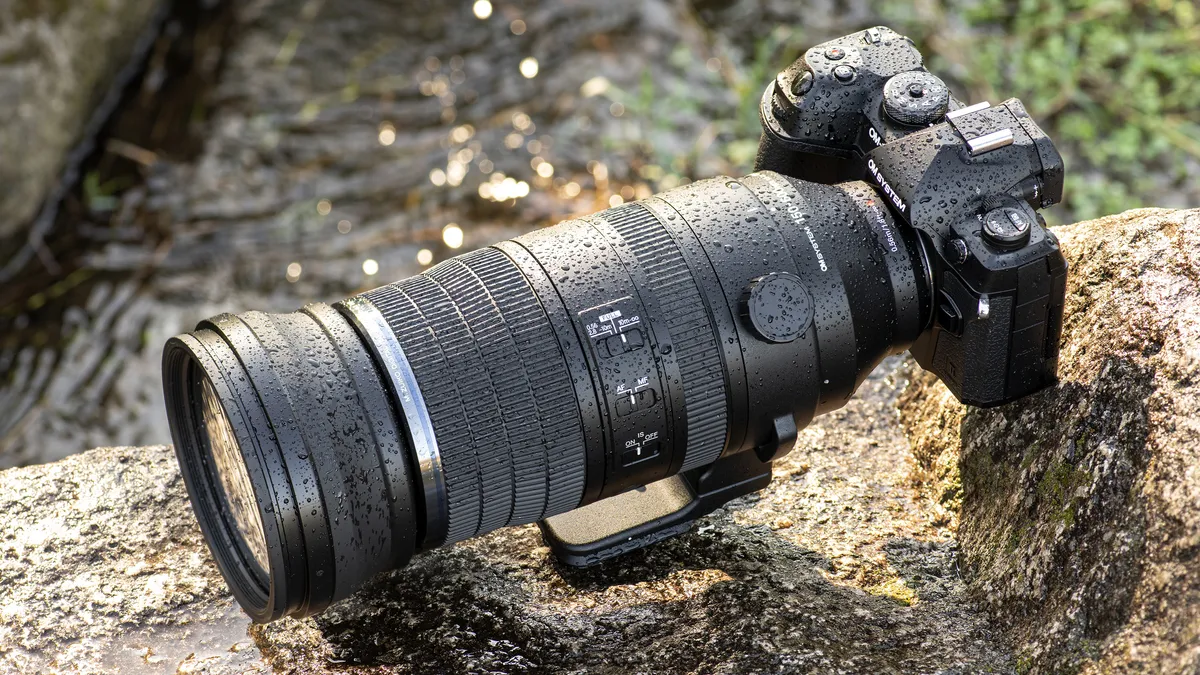
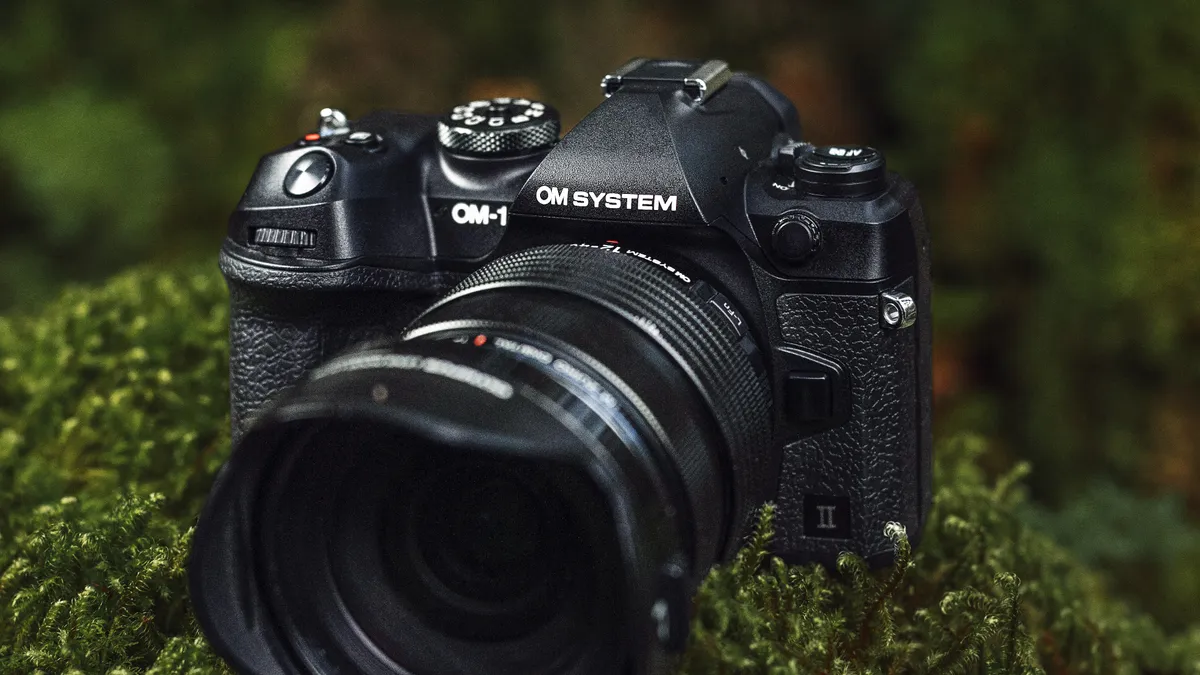


OM System OM-1 II sample images


✅ You want value for action photography: A stacked sensor, subject detection AF, and wildlife photography-friendly MFT format make this an outright action camera.
✅ You don't want to be weighed down with kit: A like-for-like full-frame system will likely be twice the size, weight, and price.
❌ You want high-resolution images: These days, 20MP in a photography-centric flagship camera with this price tag is modest.
❌ You want the best single-shot image quality: The OM-1 II's multi-shot computational workarounds are good for specific scenarios, but they can’t be used for everything.
Rugged and lightweight, the OM System OM-1 II is a compelling alternative for photographers who prioritize size, versatility, and a fun handheld experience. Thanks to its stacked Micro Four Thirds sensor and a speedy TruePix X processor, the OM-1 II performed superbly in most of our tests, especially in wildlife photography. It has a swathe of subject detection modes, and you'd struggle to find a more capable autofocus system for bird photography. It also benefits from unique computational photography modes that are the best you'll find outside a smartphone, which go some way to compensating for its smaller sensor.
It's not all good news, though. This second-gen model is but a mere refresh of the now cheaper OM-1; we think its updates could have been added to the OM-1 by a firmware update rather than making a new, pricier model. The MFT sensor and 20MP resolution are modest for a camera at this price, with low-light image quality not quite up to the level of full-frame rivals.
If you can overlook those drawbacks, then the OM-1 II (and its huge range of Micro Four Thirds lenses) will make a fine companion. Quite simply, it's one of the most enjoyable cameras you can buy.
Read our in-depth OM System OM-1 II review
Top alternatives...
- Panasonic Lumix G9 II – The underrated G9 II packs more pixels than the OM-1 II, has stellar stabilization and autofocus, plus better video skills.
- OM System OM-3 – one for the style-conscious, the OM-3 has much of the same specs as the OM-1 II, but with a few cutbacks.
The best premium compact
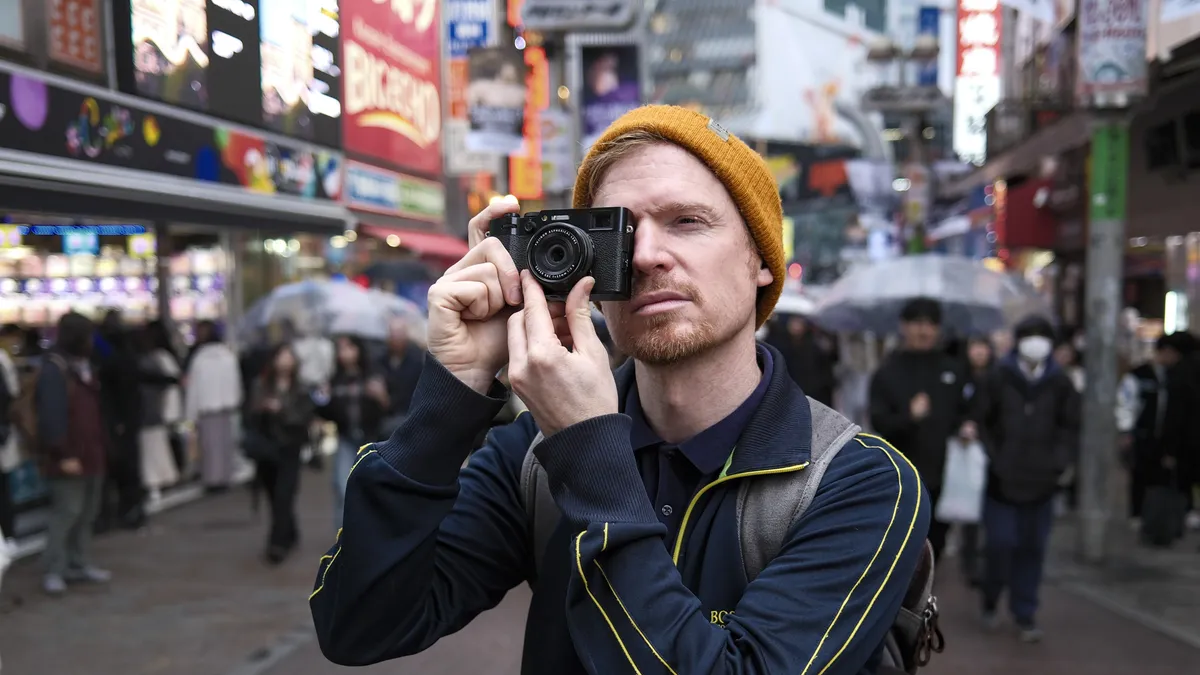
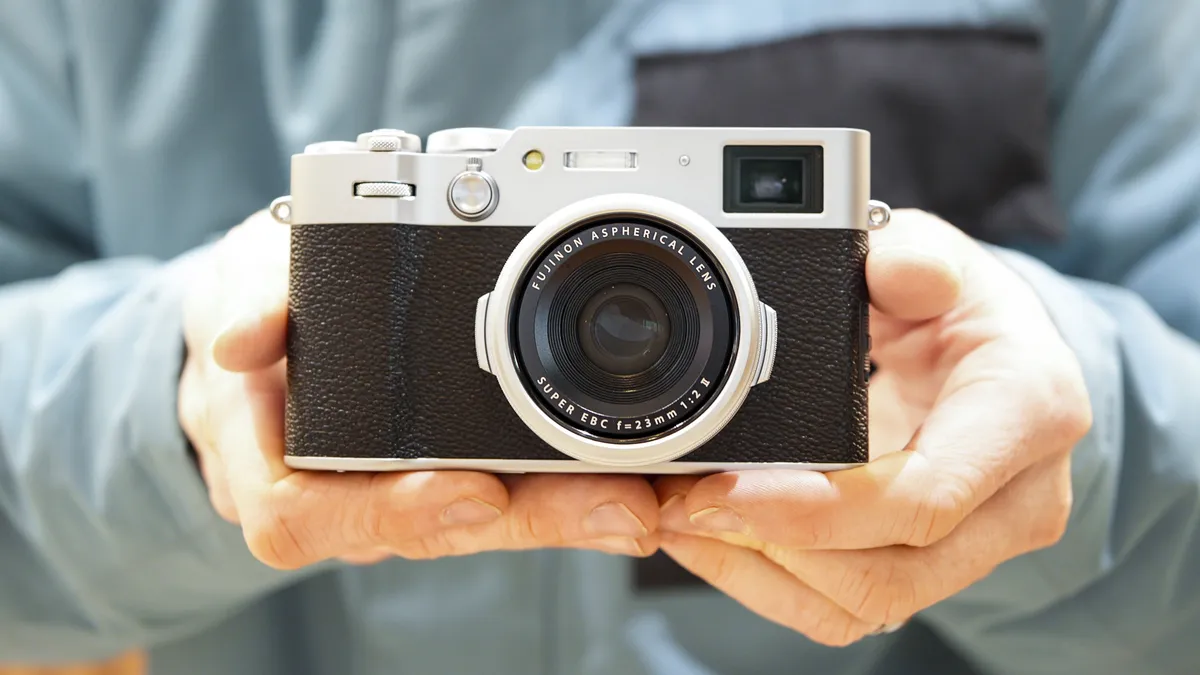


Fujifilm X100VI sample images


✅ You want a stylish snapper: From its body design to its exposure dials, the X100VI is packed with retro appeal.
✅ You want a unique shooting experience: If you haven't used the X100VI's hybrid viewfinder, try it and thank us later.
❌ You want a wide perspective: The fixed 35mm lens is slightly tighter than your smartphone's camera. If you want to fit more in the shot, you'll have to take a few steps back.
❌ You want flexibility: As a fixed-lens compact, you can't zoom in or out for a different field of view from its 35mm focal length, although with more pixels you can crop in.
If you want the best compact camera for photography, we think the Fujifilm X100VI is the top choice for most people. The latest model is nearly identical to the Fujifilm X100V, with its retro style, fixed 23mm f/2 lens, and pocket-friendly design, while its hybrid viewfinder remains, and we absolutely love it – you have to give it a spin. It's the inside where the big improvements have been made: the X100VI boosts resolution to 40MP, plus it adds in-body image stabilization for the first time in the X100 series – arguably the most needed feature for this street photography camera. You also get Fujifilm's best autofocus, borrowed from the Fujifilm X-T5.
You might not need the increased pixel count because the X100V's 26MP is plenty enough for most people. However, the extra resolution offers greater flexibility for cropping into your pictures. The X100VI is also a more capable filmmaking tool, armed with 6.2K 10-bit video. It's not a perfect camera: we think Fujifilm should have implemented a new 28mm lens, while there's only one UHS-I SD card slot, and you still need an adaptor for full weather-proofing. It's also a pricier camera than the X100V. However, we think the X100VI is Fujifilm's most compelling camera and the best premium compact for everyday use.
Read our in-depth Fujifilm X100VI review
Top alternatives...
- Leica Q3 – much pricier but with a full-frame 61MP sensor, the Q3 is a top premium compact
- Ricoh GR IV – the GR IV can't match the same outright quality or performance as the X100VI, but the body is genuinely pocketable.
The best value camera for photography
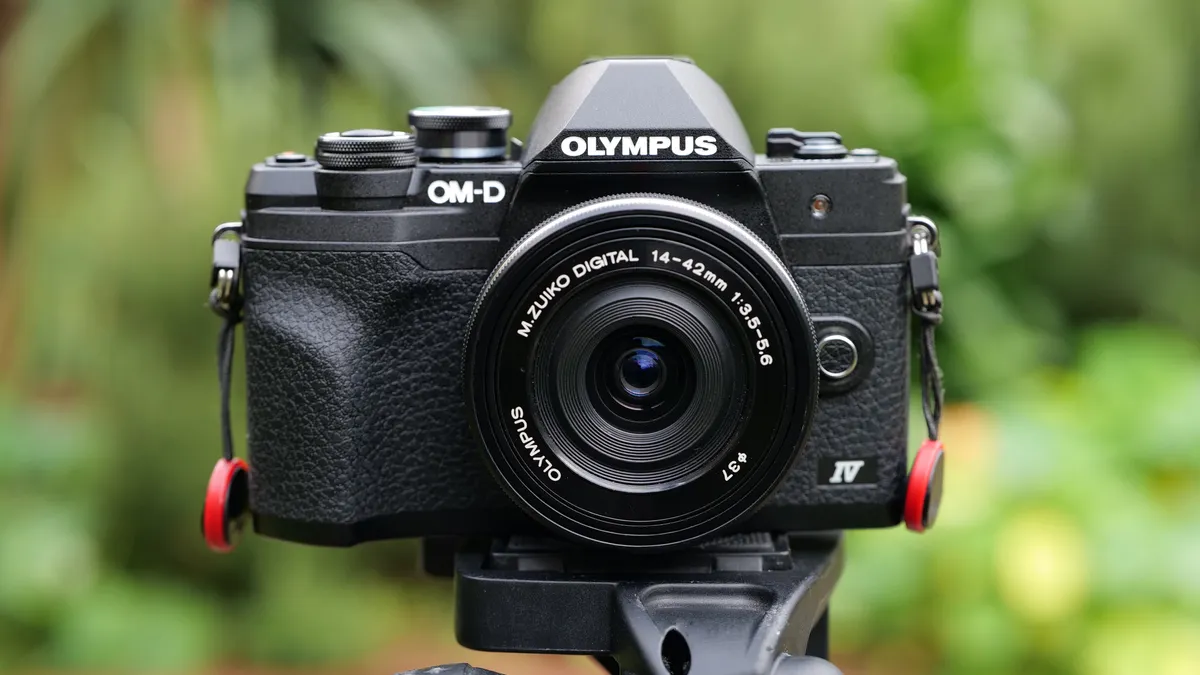


Olympus OM-D E-M10 Mark IV sample images


✅ You want a compact, capable camera: Small but mighty, the E-M10 Mark IV offers a lot of features in compact packaging.
✅ You like to shoot handheld: Impressive in-body image stabilization helps to keep images sharp even when shooting at 1/8th of a second.
❌ You’re a videographer: While the E-M10 Mark IV can produce impressive video, its feature set isn’t geared towards vlogging.
❌ You want a cutting-edge camera: Missing features such as phase detection autofocus, the E-M10 Mark IV is a step behind its rivals.
It isn’t the latest Micro Four Thirds model on the market, but if you want a travel-friendly option for shooting impressive stills, we think the Olympus OM-D E-M10 Mark IV represents fantastic value. The result of careful refinement over several generations, the Mark IV offers a generous feature set and works with hundreds of affordable lenses. In our review, we noted that its 20MP sensor enables the Mark IV to capture greater dynamic range than smartphones and compact cameras.
We were also very impressed in testing with its five-axis in-body image stabilization, which gives it the edge over rivals like the Fujifilm X-T200 when shooting handheld. Its button layout makes it an approachable camera for beginners, as does the 3-inch touchscreen. Video limitations – such as the lack of microphone input and 4K/30p cap – hold it back from competing with hybrids. All the same, the E-M10 Mark IV remains an appealingly portable, affordable photography upgrade.
Read our in-depth Olympus OM-D E-M10 Mark IV review
Top alternatives...
- Canon EOS R100 – the cheapest mirrorless camera available has the same 24MP sensor as the R10, but its handling is much simpler.
The best pro hybrid for sports and wildlife


Nikon Z9 sample images


✅ You need a dependable camera for most situations: Pros especially need a reliable tool, first and foremost, and they won't be let down by the Nikon Z9.
✅ You want resolution and speed
What's seriously impressive about the Z9 is that it outguns the similarly priced Nikon D6, while boasting more than twice the resolution.
❌ You want a lightweight tool: Compared to the Canon EOS R3 and Sony A1, the Nikon Z9 is both heavy and bulky.
❌ You don't need everything in one camera: Given that the smaller Z7 II has the same resolution for almost half the price, the Z9 could be more than you need.
Blazingly quick, the Nikon Z9 is a fantastic choice for discerning photographers who need a camera that can keep up with the most intensive sports and wildlife action. As the first pro-grade camera without a mechanical shutter, it was a groundbreaking model at launch.
Subsequent firmware releases have only made it better. Alongside reliable Eye AF tracking, the Z9 is capable of capturing crisp video at 8K/60p or 4K/120fps. Our tests confirmed that stills are similarly fantastic, with the 45.7MP stacked CMOS sensor and excellent image stabilization combining to produce beautiful images.
Besides the price, the major drawback is the Z9's form factor. In our review, we found it a big, heavyweight beast. A two-way tilting touchscreen does add welcome versatility alongside the vertical grip, and weather-sealing complements Nikon's trademark build quality. But there are smaller, more affordable options out there if you don't need all of its flagship features. Nikon’s own Z7 II, for example, offers the same level of detail for stills in a tidier package.
Read our in-depth Nikon Z9 review
Top alternatives...
- Sony A9 III – the quickest camera available, the pricier A9 III has rawer power with 120fps burst shooting and a global shutter.
- Canon EOS R1 – another pricey alternative, the EOS R1 is Canon's best action camera with unique deep learning features and incredible autofocus.
The best camera for outright image quality


Hasselblad X2D II 100C sample images


✅ You love design: It's simple. Hasselblad's minimalist X System cameras are the most beautifully designed digital cameras available, and the X2D II is stunning.
✅ You’re a stickler for color: Building on the impeccable color rendition of the X2D 100C, the X2D II adds end-to-end HDR capture for improved tonal range.
❌ You shoot sports and wildlife action: Despite improved autofocus performance, which includes subject tracking, the X2D II's 3fps burst shooting is super slow by today's standards.
❌ You shoot video: The X2D is one for photographers – it doesn't record video whatsoever.
We were immediately (and completely) charmed by the Hasselblad X2D II 100C during our testing, and we found that it's the best option for landscape and portrait photography. It retains the minimalist design of the X2D 100C: a generous grip, sizable touch display, simple menus, and 1TB of built-in SSD storage. It delivers a few meaningful upgrades from the 100MP medium-format X2D 100C, though, which was already a stellar camera for photography purists.
The X2D II delivers continuous autofocus, a first for Hasselblad cameras, complete with subject tracking skills and LiDAR. Image quality is also bolstered with end-to-end HDR capture, and the results are stunning – natural colors, packed with detail. Image stabilization is boosted to 10EV too – we're not sure about those numbers having tested the camera, but it's an impressive performance nonetheless, and the X2D II can easily be used handheld. The stunning rear screen now has a greater range of tilt, too.
There are a few drawbacks – the X2D II still doesn't shoot video, for example, and continuous burst shooting runs at a snail's pace of 3fps, so it's not ideal for capturing any high-speed action. However, if you're an out-and-out landscape or portrait photographer, there's no better quality camera available. The cherry on the cake is that Hasselblad slashed the price compared to the X2D 100C. The Mark II is still pricey, but that dream is one step closer to reality.
Read our in-depth Hasselblad X2D II 100C review
Top alternatives...
- Fujifilm GFX100 II – it's a little pricier than the X2D II, but the GFX100 II is also a stellar video camera.
- Fujifilm GFX 100S II – you can save a little with the GFX 100S II, which also offers a 102MP sensor, plus excellent ergonomics and reliable image stabilization.
The best professional DSLR camera


Canon EOS 5D Mark IV sample images


✅ You want the best DSLR performance: From autofocus to resolution, the EOS 5D Mark IV sets the bar for pro-grade DSLR models.
✅ You shoot a range of subjects: Whether you shoot landscapes or wildlife, the Mark IV's versatility means it can handle almost any scenario.
❌ You shoot a lot of video: DCI 4K video capture is a welcome addition, but a 1.64x crop limits its usefulness for videographers.
❌ You have a limited budget: Even compared to rivals like the Nikon D850, the Canon EOS 5D Mark IV commands a high price.
For professionals who prefer the feel of a DSLR, we think the Canon EOS 5D Mark IV is the best option available today. There’s no escaping that it represents a significant investment, but our review found that the Mark IV does plenty to justify the outlay for serious shooters. Predictably, its 30.4MP full-frame sensor produces fantastic detail. Our tests revealed improved dynamic range and high ISO performance compared to the 5D Mark III. We were also impressed by the metering system's reliability, while AF tracking performed reliably, even with a bias towards the center of the frame.
Though at times we wished for a vari-angle display, the touchscreen interface is still a welcome addition, and a neat complement to the large viewfinder. All this in a package that feels well put together and wonderfully familiar. Provided the video isn’t high on your agenda – there’s a heavy 1.64x crop on 4K footage – we think the EOS 5D Mark IV is a fantastically well-rounded and versatile DSLR for photography.
Read our in-depth Canon EOS 5D Mark IV review
Find savings on Canon cameras with our Canon promo codes.
Top alternatives...
- Nikon D850 – Nikon's best-ever DSLR is a 45MP powerhouse.
- Canon EOS 1D Mark IV – the fastest DSLR ever made stills performs well today.
- Nikon D7500 – an APS-C sensor step down in terms of outright quality, but the D7500 is a superb all-rounder DSLR for enthusiasts.
Also consider
Our team has reviewed hundreds of cameras since 2008, and whittling this list down to just 12 entries wasn't easy. Here's a roundup of cameras that just missed the mark for each of the use cases above and that we think are solid alternatives.
Best Sony A7 V alternatives – Nikon Z6 III and Canon EOS R6 Mark III: In many ways, Sony, Canon, and Nikon's mid-range full-frame mirrorless cameras are evenly matched. The Nikon Z6 III's obvious drawback is its 24MP stills, but it has strong 6K video features, handling, and a low price tag. The Sony and Canon models shoot 33MP stills, but the A7 V has a partially stacked sensor, the best dynamic range and battery life, but modest video skills. The R6 III is arguably the best hybrid model, with 7K open gate video, but then Canon has kept its full-frame lens mount closed to third parties.
Best alternative hybrids for pros – Canon EOS R5 Mark II and Nikon Z8: The EOS R5 Mark II was our camera of the year for 2024 – a huge upgrade from the EOS R5 in every way, being faster and more reliable, with a stacked sensor, near-perfect autofocus, and useful AI-powered editing features. Likewise, the Z8 is probably Nikon's best-ever camera, offering almost everything the Nikon Z9 can do but in a smaller and cheaper package. Where the Z9 is better for sports pros is its larger body and better battery life.
Best for speed – Sony A9 III: A mirrorless speed machine with a global shutter, the A9 III has unbelievable burst speeds, incredibly reliable autofocus, and suffers from zero rolling shutter. You’ll pay for the privilege, but this is a remarkable tool for high-speed action photography.
Best premium instant – Polaroid I-2: It doesn’t come cheap, and neither does I-type film, but the Polaroid I-2 delivers an arsenal of shooting options, thanks to its full manual exposure controls, sharp lens, and impressive LiDAR autofocus. You also get Bluetooth control via the app.
Best creative instant – Fujifilm Instax Mini 99: A well-built and grown-up instant camera, the Instax Mini 99’s intuitive controls make it easy for beginners to use, while also offering experienced photographers the flexibility of creative controls. You’ll need to budget for film refills, though.
Best money-no-object compact – Leica Q3: A premium compact like no other, the Leica Q3 is incredibly expensive but also incredible to shoot with. A beautifully built camera that feels wonderful in the hand, its 60.3MP sensor and fixed 28mm prime lens are capable of stunning results.
Best affordable medium-format – Fujifilm GFX 100S II: One of the best medium-format cameras for most people, the GFX 100S II offers excellent ergonomics, reliable image stabilization, and superb image quality from its 102MP sensor – all at a lower price than the flagship GFX100 II.
Best cheap mirrorless – Canon EOS R100: A pared-back version of the Canon EOS R50, the R100 features the same 24MP APS-C at a lower price. Sitting at the bottom of Canon’s RF mount mirrorless range, it isn’t packed with features, but it’s a very affordable entry point.
Upcoming photography cameras

There have been some killer product launches recently for keen photographers, including the Sony A7 V and Canon EOS R6 Mark III mirrorless cameras, plus the Ricoh GR IV and Leica Q3 Monochrom premium compacts. So what can we expect next?
Well, there's also good news for black-and-white photography fans – Ricoh is making an optimized monochrome variant of the GR IV, while the rumor mill suggests Nikon will go big with APS-C cameras in 2026, potentially a mirrorless version of the D500 sports camera. This model could go toe to toe with the Canon EOS R7 Mark II, which is another flagship APS-C camera also tipped for this year.
Elsewhere, could this be the year that Leica launches the next generation of its M-series of digital rangefinders, namely the Leica M12, or Fujifilm pushes the boat out with an X-Pro 3 successor? I reckon there will be plenty of new releases for 2026.
How to choose the best camera for you
• Consider sensor size – each has its own quality/performance benefit
• Look out for viewfinder type and quality
• What sort of lens will you need for the things you like to photograph?
There are a few key factors to keep in mind when shopping around for the best camera – and one of the most important is the sensor size.
Bigger doesn't always mean better, but it does give you a good idea as to the kind of camera it is, how expensive lenses will be, and the type of photographer it's designed for.
In general, Micro Four Thirds and APS-C cameras are for both hobbyists and pros, while full-frame models tend to be strictly for advanced photographers with bigger budgets. Compact cameras with 1-inch sensors are for travel zooms and everyday photography.
Then, it's also worth considering the viewfinder (electronic or optical). This is considered an essential feature for most photographers, after all, along with how the camera handles.
What kind of lenses are you going to need for your favorite types of photography? For example, if you'll be using longer lenses, you'll want a camera with a good grip. Bright prime lenses are better for portraits and street shoots, while wide-angle zooms are more useful for landscapes.
Weighing up which features you need will help you figure out which camera is your best match and will bag better results than choosing a model in isolation.
What type of camera is best for photography?
• Mirrorless cameras have overtaken DSLRs as the popular choice
• Full-frame tends to deliver decent image quality, but can be expensive
• What's more important to you – outright quality or absolute speed?
There's no single factor or feature that makes a certain type of camera better for photography than another. It's why we've included feedback from our real-world tests throughout this guide.
The importance of these different factors will be determined by your preferred shooting style. Objectively speaking, the larger a camera’s sensor, the more light it can gather – and the higher its resolution, the sharper its images will be. That’s why we rate mirrorless cameras, such as the Sony A1 II, so highly for their stills performance. Its 50.1MP full-frame sensor is the top of the class.
However, the highest resolutions tend to be overkill unless you’re a professional photographer. Full-frame cameras are also less travel-friendly due to the size of their sensors. For that reason, you might prefer a mirrorless camera with a high-resolution APS-C sensor, such as the Fujifilm X-T5. Or, if you're just starting out, the best beginner camera could be an APS-C model with a lower resolution, like the Canon EOS R10.
Then there's the elephant in the room: is a DSLR better than a mirrorless camera when it comes to photography? We tackled this question in our mirrorless vs DSLR camera guide. In a nutshell, most manufacturers regard mirrorless cameras as the future of photography, with the latest models offering unrivalled performance and results. That doesn't necessarily mean you should ignore all of the DSLRs on the market, though, which we'll expand on below...

Are DSLRs best for photography?
• DSLR cameras and lenses can be bought secondhand at bargain prices
• They're also a good pick for beginner photographers
• Lens choice is good, as is battery life
DSLRs were once synonymous with 'serious' photography, but they're no longer the cream of the camera crop. Mirrorless cameras, which replace the DSLR's optical viewfinder with a wholly electronic EVF, are now the beneficiaries of the camera giants' latest lenses and autofocus systems. Neither Canon nor Nikon has released a new DSLR in years. That's why our list above is dominated by mirrorless cameras, rather than DSLRs.
That doesn't necessarily mean you shouldn't consider buying a DSLR for photography. Their main benefit now is value for money – their lack of an electronic viewfinder means they're usually cheaper than mirrorless equivalents, and their maturity means they have a wide range of affordable lenses. Plus, because a DSLR's optical viewfinder consumes less power than a mirrorless model, it's more economical when it comes to power – which means you'll save money on batteries.
Some photographers also prefer the size and weight of traditional DSLR cameras. Mirrorless cameras are much lighter, as you might expect, and therefore easier to lug about on vacation – it all depends on your preference (and your baggage allowance).
Classic DSLRs like the Canon EOS 6D are also excellent second-hand buys. This is especially true for fledgling photographers looking to invest in a decent photography kit without breaking the bank. The smarter long-term investment for dedicated photographers, however, is mirrorless cameras.

Can photography have a positive impact on your mental health?
Life in the big 2026 is hectic. We're all juggling the stress of things like budgeting and maintaining work-life balance, and it's all too easy to neglect our mental wellbeing. The good news is that a regular photography habit can help.
The tangible benefits of picking up a camera every day and snapping some shots on a walk or around the garden are outlined in a study in the peer-reviewed Health journal, and have been highlighted in a recent partnership between British photo retailer MPB and mental-health charity Mind.
Emma Ackerman, Executive Director of Income Generation at Mind: "Creativity can play a powerful role in supporting our wellbeing. By working together with MPB, we hope to open up these benefits to more people, while raising vital funds that will help us keep our essential services running, including Mind Infoline, our legal line, and our online peer support community, Side by Side."
TechRadar camera writer, Jon Stapley, also documented his experience with taking a more mindful approach to his photography – and we sought out more experts for their opinions.
Katie Rose, LCSW, a Manhattan-based psychotherapist, said: "Mindfulness is built into photography, especially film photography, when you're limited in the number of shots you can take. The act of seeking out something worth photographing and taking time to frame it, thinking about both the foreground and the background, is akin to the "five senses" mindfulness exercise I teach my patients because it requires you to slow down, observe your environment with intention, and fully engage with the present moment. Instead of rushing, you become more attentive to light, texture, color, movement, and emotion."
Chelsea Hopkins, photographer and founder of the free whimsee app, which encourages users to spot small outdoor wonders, also stated: "A camera gives your attention somewhere to go. On my worst days I couldn't manage much, but I could photograph one thing: a dandelion, a gate, the same view across the valley. When every day gets a photograph, and you look back on them, you can see changes and progress. My camera roll became evidence that time was still moving and that beauty kept turning up whether I was ready for it or not."
Chelsea also had advice for new photographers: "Don't start with gear, start with a subject. Then pick your gear based on what you want to photograph most, or what you want to get out of your journey. Let most of your photographs be ordinary, because the habit is the point and the good ones are a byproduct."
How we test
The best cameras for photography don't come cheap these days, and so it's important to read up on real-world tests to understand a camera's performance and character, along with factors like ISO performance.
To start with, we look at the camera's design, handling, and controls to get a sense of what kind of photographer it's aimed at and who would most enjoy shooting with it. When we take it out on a shoot, we'll use it both handheld and on a tripod to get a sense of where its strengths lie and test its startup speed.
Regarding performance, we use the fastest supported memory card type (whether that's UHS-I, UHS-II, CFexpress, and so on) and make sure it's formatted, then shoot photos in both raw and JPEG (if available). We have standardized camera settings to test burst shooting (1/250 sec, ISO 200, continuous AF) – we then select the various burst shooting modes and shoot sequences in front of a stopwatch to record how long sequences last, the number of frames, and how quickly the buffers clear, repeating the test for both raw and JPEG files.
In various lighting conditions, we also test the camera's different autofocus modes (including Face and Eye AF) in single point, area, and continuous modes. We also shoot a range of photos of different styles (portrait, landscape, low light, macro/close-up) in raw and JPEG to get a sense of metering and the sensor's ability to handle noise and resolve fine detail.

If the camera's raw files are supported by Adobe Camera Raw, we'll also process some test images to see how we can push areas like shadow recovery. And we'll also test its ISO performance across the whole range to get a sense of the levels we'd be happy to push the camera to.
Battery life is another important consideration. We start our test with a fully charged battery and run our usual camera testing until the battery has reached zero. We then count how many shots were possible and check that number against the camera's official CIPA rating – the results can differ for better or for worse. Finally, we test the camera's video skills by shooting some test footage at different frame rates and resolutions, along with its companion app.
We then take everything we've learned about the camera and factor in its price to get a sense of the value-for-money it offers, before reaching our final verdict.
- Best mirrorless camera
- Best camera for beginners
- Best beginner DSLR cameras
- Best DSLR
- Best 4K camera
- Best full-frame camera
- Best compact camera
- What camera should I buy?
- Mirrorless vs DSLR: 10 key differences
- Camera rumors