


Ask any Zoomer what the best year of all time was, and there’s a good chance they’ll say 2016. For my generation, 2016 was the era of Pokémon Go, Vine, great new music, Snapchat filters, and the birth of online culture as we know it today.
It’s now 2026 – 10 years since 2016 – so it’s no surprise that nostalgia for the internet’s favorite year is surging. According to the BBC, searches for “2016” are exploding on various platforms, from TikTok to Spotify.
What I think a lot of people – Gen-Z or otherwise – miss when discussing the impact of 2016 is just how much of our fondest memories revolve around our phones. While the world wasn’t quite as reliant on smartphones 10 years ago as it is today, we’d certainly started to lean on the computers in our pockets for daily activities and entertainment.
Furthermore, a lot has changed in the world of smartphones in the last decade. So, for old time’s sake – here’s a recap of the biggest phone releases of 2016, plus a list of the phones the TechRadar team were using ten years ago.
Apple: iPhone 7, iPhone 7 Plus, and iPhone SE
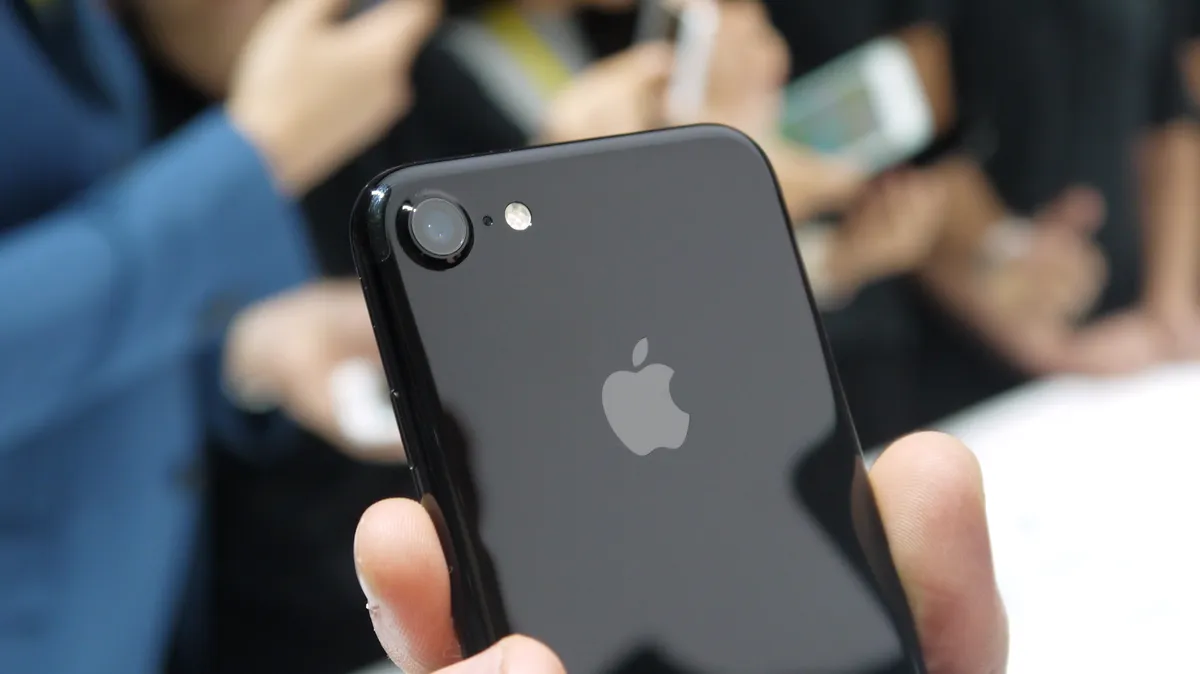
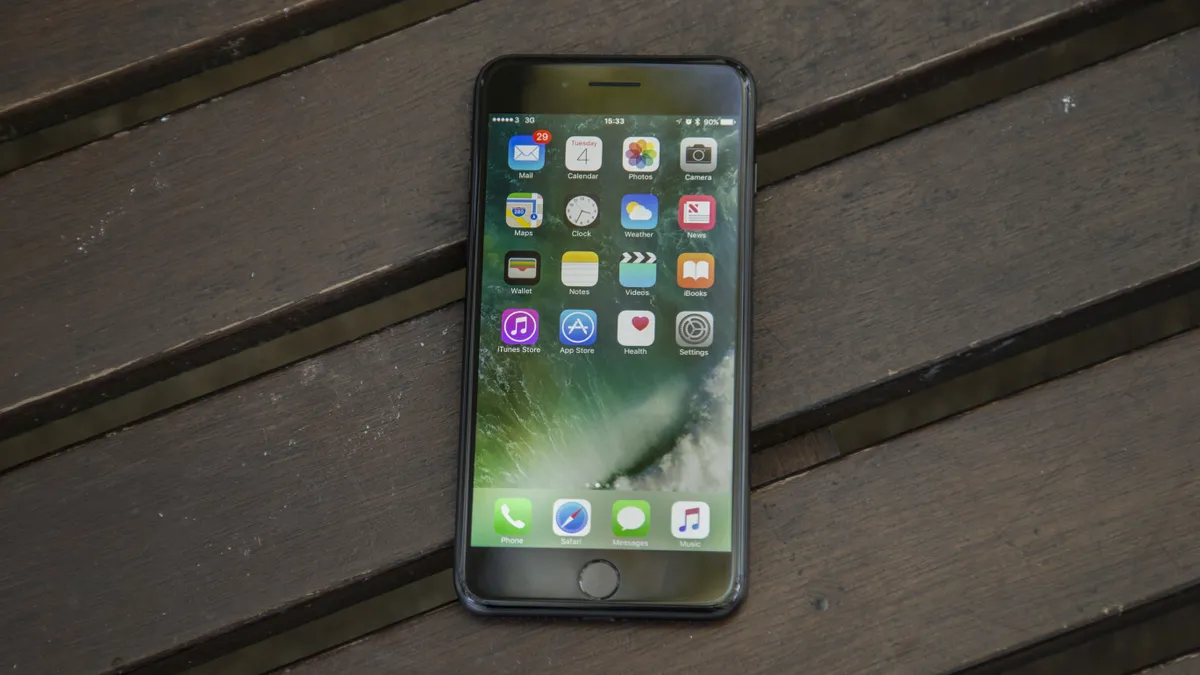


Launched in September 2016, the iPhone 7 and iPhone 7 Plus live in infamy as the first iPhones to launch without a headphone jack. Equally notorious is Apple’s reasoning for ditching the useful port – at that year’s launch event, Tim Cook gave an infamous one-word explanation: “Courage”.
Despite the ensuing storm of controversy and some mockery from Samsung, Apple turned out to be ahead of the curve. Today, headphone jacks are a rarity on modern flagship phones and are most often reserved for the best gaming phones or other specialist handsets.
Headphone jacks aside, the iPhone 7 and iPhone 7 Plus were pretty decent smartphones. Though not a huge step up from the still-popular iPhone 6 and iPhone 6S families, the iPhone 7 got the new A10 Fusion chipset, a 4.7-inch screen (in the then-standard 16:9 aspect ratio), and a single 12MP rear camera. The iPhone 7 Plus was the first iPhone to launch with a second camera, a 2x telephoto lens. Both came with huge bezels and a Touch ID-enabled home button, and ran iOS 10 at launch.
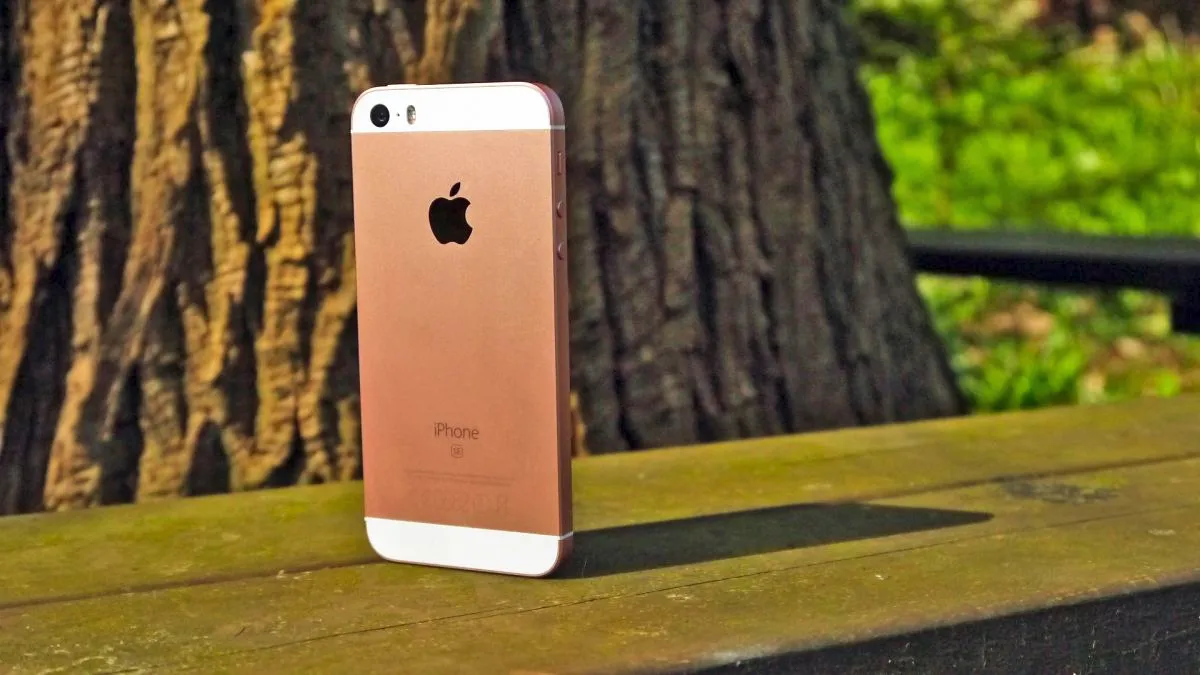
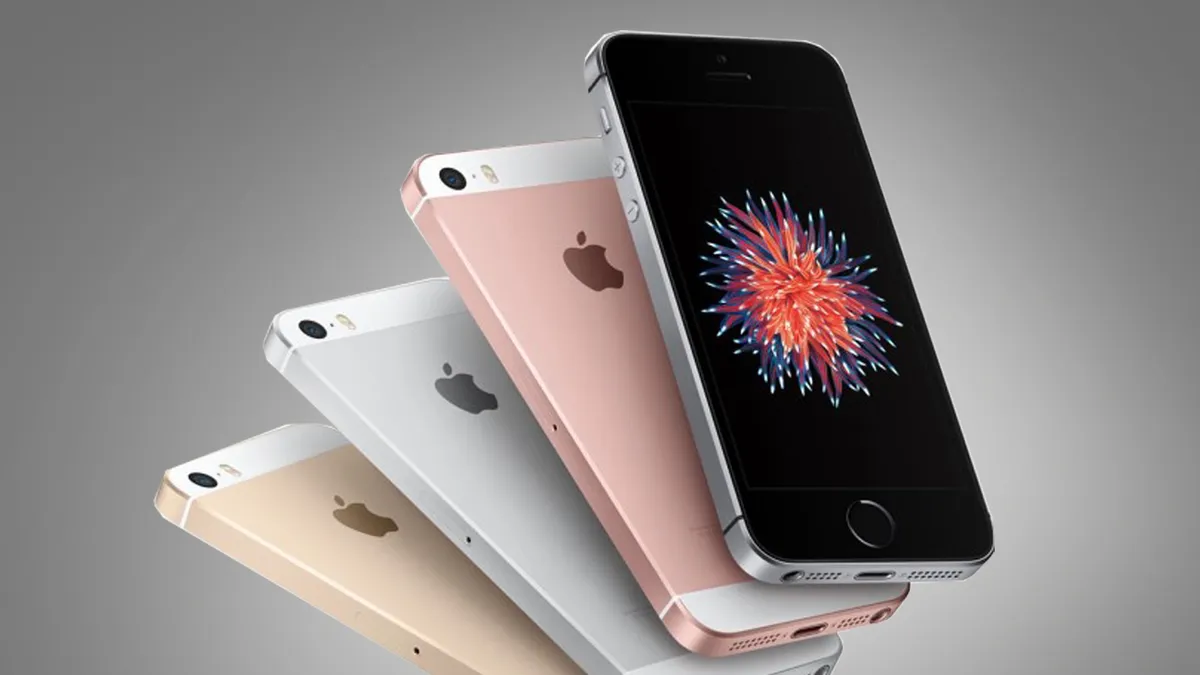
As well as the new flagships, Apple launched the first iPhone SE in March 2016, giving fans of the iPhone 5’s 4-inch form factor the chance to get their hands on the latest A9 chipset. This wasn’t as much of a ‘budget’ phone as the generations that followed, as it was an homage to the outgoing design, a final salute to truly small handsets.
Samsung: Galaxy S7, Galaxy S7 Edge, and Galaxy Note 7


While Apple started to simplify the iPhone in 2016, Samsung kept thinking big – literally. At 5.7 inches, the Samsung Galaxy Note 7 was one of the biggest widely available phones at the time, with a spec sheet to match. Its 1440p display was razor sharp, and with 4GB of RAM, it offered twice as much memory as its Apple counterpart. And of course, this was the birth of the built-in stylus, which we stil see today in the Galaxy S25 Ultra.
The standard Galaxy S7 and Galaxy S7 Edge both had 5.1-inch displays and a few internal boosts over their predecessors. Samsung revived the Edge branding for the Galaxy S25 Edge last year, but back in 2016, the term meant something completely different – rather than being a slimmer version of the standard model, the Galaxy S7 Edge had a wraparound display that covered the edges of the phone.
Curved displays have since gone out of fashion, but it’s worth remembering that Samsung was the one to popularize them and really thought outside the box when it came to making the most of the extra space. Notifications and various indicators could flash up on the sides of the phone, making them easy to read from, say, a bedside table.
All three of 2016’s Samsung flagships ran Android 6 at launch, and all three had expandable storage via microSD. Take me back!
Google: Pixel and Pixel XL


After a successful run of Nexus phones made in collaboration with various phone makers, 2016 saw Google step out on its own for the first time. The Google Pixel and Google Pixel XL were the first phones made by Google and only Google, giving the Android operating system a piece of flagship hardware to call home.
The Google Pixel had a 5-inch screen, a rear-mounted fingerprint scanner, and a 12MP rear camera. The Google Pixel XL offered a similar experience, just with a 5.5-inch screen and a bigger battery. However, neither of the phones were particularly weatherproof, with just an IP53 ingress protection rating – this was before the days of IP68 being a given for flagship smartphones.
The real selling point of the phone was basically the same as today’s Google Pixel flagships – it ran a very lightweight, bloat-free version of Android 6 at launch, optimized for the hardware by Google itself. Though Google Pixels increasingly lean on AI tools to offer value, it's still this software simplicity that brings some users to the platform in the present.
OnePlus 3

Once considered an underdog brand, OnePlus has shot up through the ranks of the smartphone world in recent years. Its latest flagship, the OnePlus 15, earned a rare 5 stars in our review and now holds the title of the best Android phone, while also appearing on our list of the best phones.
Rewind ten years, though, and OnePlus wasn’t nearly as well-known as it is now – but the company was still putting out phones that put the big brands in the crosshairs. In 2016, OnePlus released the OnePlus 3, which we called a “genuine flagship killer” in our 4.5-star review.
It’s not surprising that the phone earned such high praise when you take a look at its spec sheet. The OnePlus 3 launched with a 5.5-inch display, a 16MP rear camera, an above-average 6GB of RAM, and a 3,000mAh battery with support for 20W charging – very speedy for the time. It was also the first all-metal OnePlus phone and came with the brand’s iconic ringer switch, which was only retired from its flagship phones in 2025.
The OnePlus 3 might be outdated now, but it’s cool to see that OnePlus has, in fact, been pushing its flagship-fighting philosophy for quite some time. It makes the brand’s win with the OnePlus 15 feel even more earned.
HTC 10 and LG G5


Back in 2016, there were a couple of brands on the scene that seemed like they’d be heavy hitters for years to come, but have vanished in the years since.
For example, HTC launched the HTC 10 in 2016. This was the successor to the much-loved HTC One series, and like its predecessors had a premium design, with a 5.2-inch display and 3,000mAh battery (both large for the time); it scored 4.5 stars in our review.
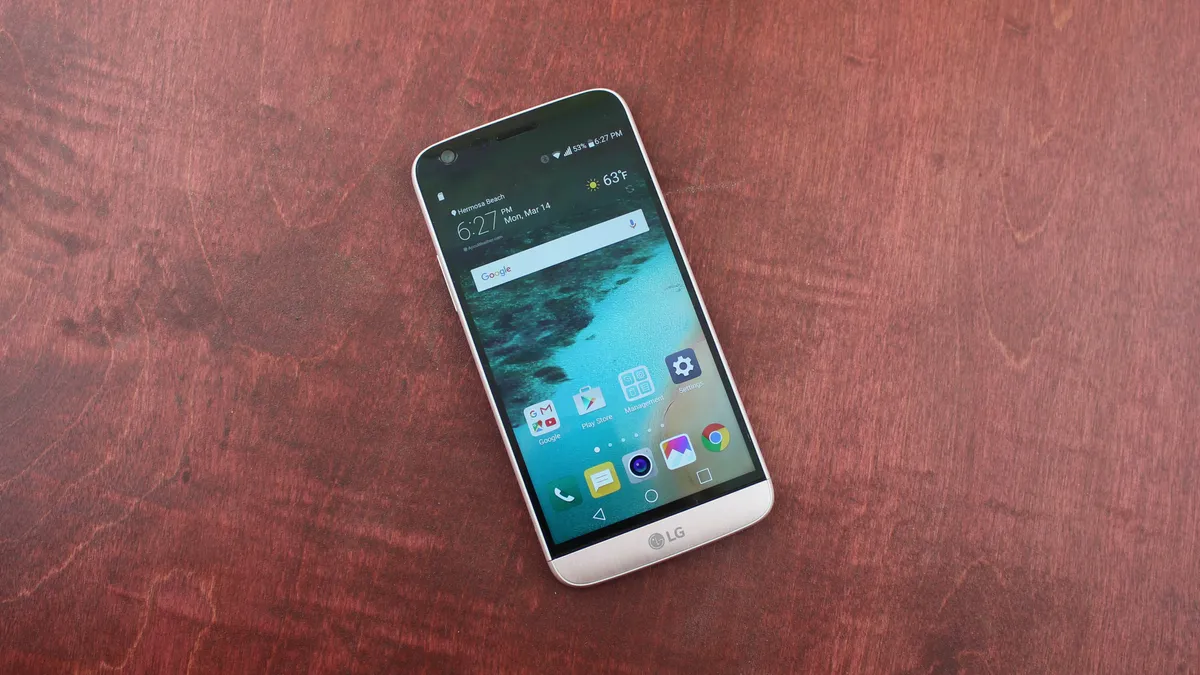
In the same year, we saw the LG G5 handset, which launched alongside a crop of separately-sold modules, such as a 360 camera and dedicated DAC.
HTC’s focus on luxury ultimately couldn’t secure its place in the race against Apple and Samsung, and the company now produces low-end smartphones, mainly for Asian markets. LG, on the other hand, kept getting weirder and wilder, but the company’s phone business closed in 2020 due to poor sales.
Which phones were the TechRadar team using in 2016?
I asked the TechRadar team which phones they were using in 2016 – as the list shows, plenty of the crew were still rocking phones from 2015 or earlier.
- Rowan Davies, Editorial Executive: iPhone 6S
- Mark Wilson, Managing Editor, News (UK): iPhone 6S
- Matthew Bolton, Managing Editor, Entertainment: iPhone 6S
- Jacob Krol, Managing Editor, News (US): iPhone 6S / iPhone 7 Plus
- John-Anthony Disotto, Senior Writer AI: iPhone 7 Plus
- Josephine Watson, Managing Editor, Lifestyle: iPhone SE
- Timothy Coleman, Cameras Editor: iPhone SE
- Matt Evans, Senior Editor, Fitness Wellness & Wearables: iPhone SE
- Becky Scarrott, Audio Editor: iPhone 5S
- Jamie Richards, Staff Writer, Mobile Computing (hey, that's me!): iPhone 5S
- Roland Moore-Colyer, Managing Editor, Mobile Computing: Samsung Galaxy S6
- Catherine Ellis, Homes Editor: Samsung Galaxy Note 2
- Matthew Hanson, Managing Editor, Core Tech: Google Pixel XL
- Dashiell Wood, Gaming Editor: Moto G4 Play
- David Nield, Freelance Contributor: Google Nexus 6
Were phones better in 2016 than they are now?
From a purely technical perspective, the best phones of 2026 are much more capable than the phones of 2016 – there's not much point arguing otherwise. But when we look at which year was better for phones at the time, things get a little more interesting.
The iPhone 7 was widely criticized for ditching the headphone jack and delivering less of an upgrade than the iPhone 6, but it was still a solid Apple handset. Samsung’s mainline Galaxy phones were also built around incremental upgrades, and didn't really push the boat out compared to past releases.
However, we did get some excitement from the launch of the all-new Google Pixel and oddball handsets like the Samsung Galaxy S7 Edge and LG G5. In the present day, big brands are hesitant to take a chance on out-there designs, and other than a wave of thin phones in 2025 we haven't seen any truly wild innovations since the introduction of folding phones. From that perspective, 2016 gains some ground.
And while 2026 has only just started, it seems like it might not be a huge year for phone development thanks to economic uncertainties and the rocketing demand for components like RAM.
What I personally remember about phones in 2016 is more about the way we used our devices, not the spec bumps or new features. Whether we were stepping around the neighbourhood looking for Pokémon in Pokémon Go or getting a few friends together to film a Mannequin Challenge video (remember that?), it seemed like many of the apps and trends we took part in were about coming together and amplifying our real-world experiences. In that way, it was a great year for phones, possibly because we weren’t using them quite so much.
Still, 2026 is set to be a very exciting year for mobile tech, with new developments expected in battery tech, design and materials, and mobile photography. Keep an eye on our mobile buying guides for the latest new models, and be sure to let us know which phone you were using in 2016 in the comments below.
Follow TechRadar on Google News and add us as a preferred source to get our expert news, reviews, and opinion in your feeds. Make sure to click the Follow button!
And of course you can also follow TechRadar on TikTok for news, reviews, unboxings in video form, and get regular updates from us on WhatsApp too.
