


Sponsored by

Downloading IPVanish VPN should be an essential part of your vacation prep – here's why

You’ve just checked in for that tropical vacation with the swim-up bar. Or maybe it's a Christmas getaway. Passports are packed, boarding passes printed, and all your kids have been accounted for.
Unlike those things, downloading a VPN (virtual private network) might not ordinarily be your top priority. Yet, for a relatively negligible fee, they provide invaluable privacy online, flexibility, and peace of mind for anyone planning to access the internet while overseas.
Consider a VPN the equivalent of your digital passport: permitting you to serenely surf any part of the World Wide Web as its data encryption and IP masking technologies keep identity thieves and fraudsters from getting their hands on your personal details.
The US-based IPVanish is one such VPN solution. It's highly-customizable, with encryption protocols serving both speed and security. It’s also packed with additional features to safeguard your identity and web activity, including Double VPN Hop and DNS leak protection.
So, whether you’re looking to cross virtual borders, save money and circumvent dynamic pricing, connect to geo-blocked services, or simply remain safe online while taking a vacation, our guide below has you covered.
Stay safe and private on unsecured Wi-Fi networks
Public Wi-Fi is a convenient, though markedly unsafe, means of avoiding roaming fees abroad. It’s available in tourist hubs like airports and museums, where long lines will see you jumping on social media, as well as cafés, restaurants, public transit, and hotels.
However, these networks are usually unencrypted and accessible to all, meaning they’re catnip to bad actors intent on intercepting your confidential details – logins, browsing history, financial data – as they pass between your device and the internet.
Particularly dangerous? Using public Wi-Fi networks to view your banking apps. Doing so could see your accounts hijacked, cleared out, or your financial information sold on the dark web.
So while you’re off exploring the world, having a reputable VPN is especially important. For starters, it provides a secure tunnel for your internet traffic that encrypts all details related to your browsing activity, so that IP addresses, account credentials, and websites you’ve visited remain hidden to cyber snoops.
Some VPN providers like IPVanish even offer a Double (or multi-hop) VPN function. It’s an additional guarantee of anonymity that routes your connection through a second remote server, providing additional IP masking and encryption.
However, should the public network unexpectedly disconnect your secure VPN connection, your location and browsing activity are at risk of being exposed. IPVanish VPN integrates a number of failsafe measures, such as a kill switch that cuts off your internet access to avoid data leaks.
Stream (and surf the internet) like you're back at home
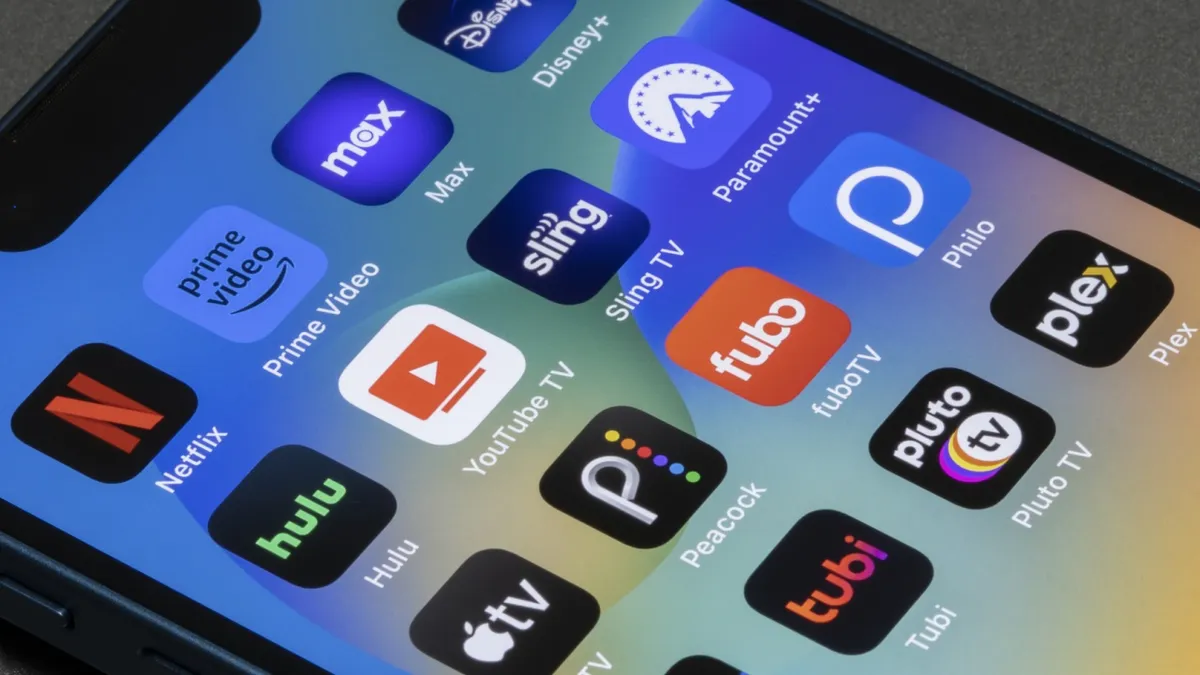
Ah, streaming the content you love is even better in the shade of a palm tree in Hawaii. But many TV series and films are only licensed to view in specific regions, meaning that anyone based outside those areas can’t enjoy them.
A VPN, however, gives you the power to bypass these geo-blocks.
That’s because a VPN obscures your actual IP address. It also allows you to re-route your internet connection through one of many remote global servers, each of which allocate an IP address that corresponds with its location.
That’s your ticket back home. With your virtual location changed, you can reconnect to your region’s streaming services and access their full content libraries. IPVanish, for example, has servers in 150 locations, which grants pretty wide-ranging access to a host of global content (it can unblock the most popular streaming platforms, like Netflix and Disney Plus, across multiple regions).
It also doesn’t hurt that IPVanish VPN can be installed on unlimited devices per account, so that you can have it on all the tech in your house as well what you've taken away.
Effectively, a VPN imitates the browsing experience you’d get back home. That extends to search engines like Google, which list results relevant to your location.
So, depending on the VPN server you choose, you’ll be provided with the businesses, news, and web resources relevant to that country, in addition to being able to visit domestic websites and national retailers that would otherwise be off limits.
Get around blocked websites and apps
VPNs are particularly valuable in those regions where government surveillance and online censorship are more common: helping you to maintain your anonymity and freely surf the web.
Russia, India, Pakistan and Turkey are a selection of the countries that restrict internet use. Looking to surmount the 'Great Firewall of China'? That’ll require a good VPN, as China blocks a lot of Western media, along with Netflix, YouTube, X (formerly Twitter), and Meta’s social media sites and WhatsApp messaging service.
And, in instances of internet blackouts resulting from political instability, they're an invaluable means of staying connected to friends and family.

In many countries, like the USA, UK, Japan, and Canada, VPNs are perfectly legal, while in others they’re subject to varying degrees of control. For example, in Russia, fines might be issued if a VPN is used to view 'extremist' content. In the few territories where VPNs are banned outright, they can even carry the risk of imprisonment.
To help avoid falling foul of local laws while traveling, some VPNs carry censorship-evading obfuscation technology.
For instance, IPVanish supplies its own OpenVPN Scramble feature. This cloaks the fact that you’re accessing the internet via a VPN, so that you can sneak past network filters, protect yourself from draconian regulations, and freely access censored content.
Get the best prices
If you’re reading this, you’ve probably bought your plane tickets already and blown a big chunk of your vacation budget in the process. Thankfully, a VPN can help you make savings of all kinds – on air fare, hotel accommodation, car hire, even train travel – by circumventing the straitjacket of location-based pricing. How is that possible?
Many websites factor in IP address, location, and browsing history when setting a figure for their goods or services, a process known as dynamic pricing. This results in the consumer being charged more or less depending on their location, their region’s purchasing power, as well as information gleaned from tracking cookies installed on your browser – for instance, if you’re a frequent visitor of certain websites.
However, a VPN can dodge dynamic pricing and scope out the best deals because it prevents online companies from seeing your real IP address. Instead, it allows you to jump between servers in different parts of the world and discover which country will save you the most money.
One potential hiccup? Cookies registering your prior searches and clicks can foil your attempts to uncover major discounts.
This is where IPVanish VPN's Secure Browser feature comes in handy. It functions as a remote, cloud-based browser, isolating all your online activity and erasing it entirely once you exit each session. That means your personal device remains free from tracking cookies (in addition to viruses and malware) that might influence the retail prices shown to you.
Free eSIM for intrepid travellers

Having an eSIM ready to go the moment you land in paradise can be a lifesaver. It’s the digital equivalent of a physical SIM card, but it’s downloaded to your phone instead. They’re quick to set up, secure, and help you avoid those situations (i.e. extortionate roaming fees) that would compel you to access Wi-Fi networks that could expose your private data to unscrupulous cyber criminals.
Currently, all IPVanish VPN subscriptions come with a free eSIM: 3GB-worth on the Essential plan, and 5GB with the Advanced, which you can activate in your choice of over 200 countries.
That’s a great boon when abroad. There’s no delay or fumbling to swap out SIMs – you can instantly activate your local data the moment the plane’s touched down and reach out to friends and family.
Combined with VPN functionality, an eSIM gives you the confidence to get back online. Because you no longer have to rely on perilous public Wi-Fi to surf the web.
