- Perplexity’s CEO says the iPhone remains strong in an AI-dominated world
- That’s because it has unique strengths when it comes to AI
- It also has other aspects that aren’t affected by AI at all
It's no secret that Apple has been struggling with its AI efforts and questions have been raised over how chatbots and large language models (LLMs) could impact the devices that make up so much of its business. But now, one AI firm has just come out swinging in defense of Apple’s position.
Speaking on an episode of the This Week in AI podcast broadcast on YouTube, Perplexity CEO Aravind Srinivas said that none of Apple’s best iPhones are going to be threatened by AI alternatives. In fact, Srinivas believes they’ll only go from strength to strength.
“The iPhone is actually not getting disrupted by AI at all,” Srinivas said, adding that “the more AI works better, the iPhone essentially becomes your digital passport.”
By that, Srinivas explained that the iPhone stores many things that are important to your life: your wallets and bank cards, your health records, and your precious photos. It also lets you stay in touch with people through messages and FaceTime calls. “All these are things that are truly personal to you and have no connection to AI at all,” Srinivas remarked.
In other words, Srinivas believes that the iPhone performs a wide variety of roles that will not be replaced or impacted by AI, no matter how good it gets. And that could help it survive long into the future.
Too early to write Apple off
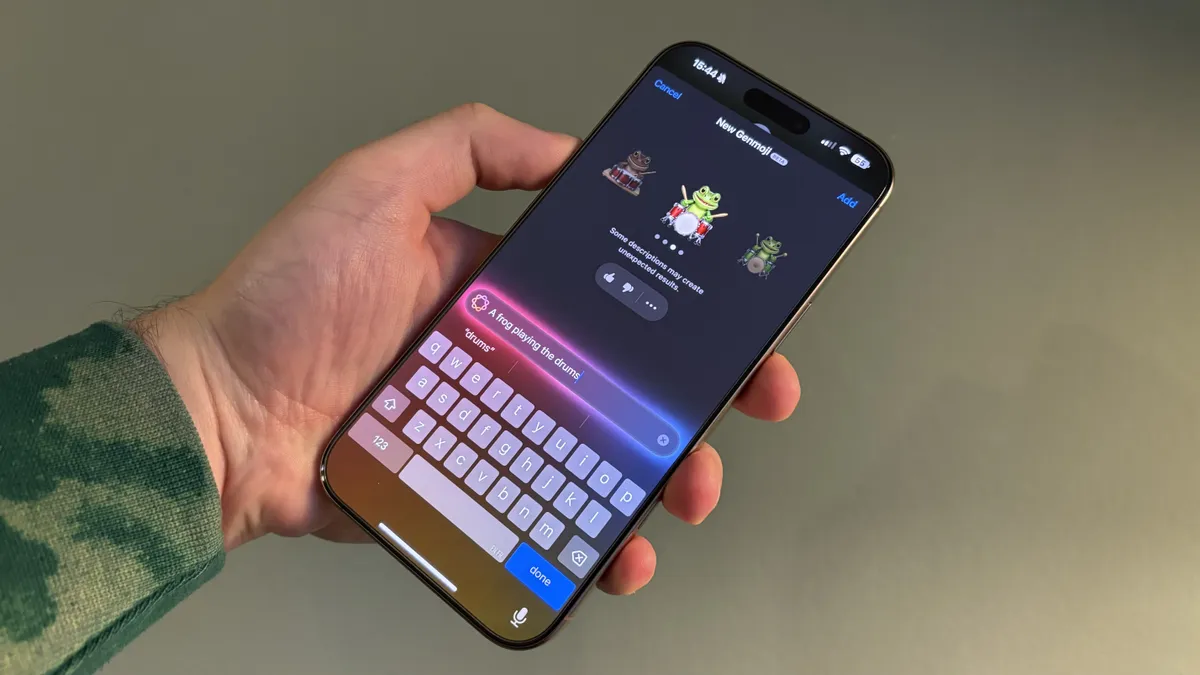
The discussion on the podcast also touched upon the way that Apple’s combination of strong privacy controls and excellent silicon chips gives it a strong competitive edge in terms of AI.
That’s because Apple’s chips enable it to put more emphasis on on-device AI processing, which is better for your privacy than uploading your photos to the cloud and potentially having them fed into an AI algorithm. For people concerned about that sort of thing, Apple’s iPhone is an attractive option.
But why are people asking questions about the iPhone’s future in the world of AI? Well, some advocates have argued that much of what a phone can do today — such as search information on the internet, create images or draw up documents — can be performed by AI. In the future, they suggest, we might prefer to use a device for these tasks that is designed solely for AI, which could lead to the eventual downfall of the smartphone.
Yet past efforts on this front – including the Humane AI Pin and the Rabbit R1 – have failed spectacularly, while iPhone sales continue to go from strength to strength. And considering what This Week in AI’s guests had to say, it doesn’t look like Apple has too much to worry about for now.
With that in mind, it might perhaps be time to reconsider Apple’s position in the AI 'race'. While other companies seem to be putting out products that are more powerful or offer more functionality than Apple Intelligence, the company has its own strengths that could be valuable in the years to come. There’s a long way to go yet, but it might be a little too early to write off Apple's role in AI entirely.
Follow TechRadar on Google News and add us as a preferred source to get our expert news, reviews, and opinion in your feeds. Make sure to click the Follow button!
And of course you can also follow TechRadar on TikTok for news, reviews, unboxings in video form, and get regular updates from us on WhatsApp too.