


Amazon Prime Day 2025: today's best deals and everything you need to know
Amazon's annual mega-sale is currently underway

Editor's note: We're also running live hubs today with even more recommendations:
US: Prime Day ends today – we've picked the 150+ best deals to shop before it's too late
Amazon Prime Day 2025 is live, and we've rounded up all the best deals right here on this page. This year's mega-sale has been an extended four-day marathon but today, Friday, is the last time to bag yourself a deal.
• Browse all of today's deals at Amazon
At the top of the page you can see a brief overview of today's sale, with the main categories of Amazon Prime Day 2025. Just below that, you can see over 100 hand-picked items from our team of experts here at TechRadar. We've got laptops, headphones, TVs, and many other categories that we personally test and review here on-site.
Note that today's Prime Day deals will end tonight so there isn't long left to bag these recommendations. Also keep in mind that Amazon's Prime Day sale is exclusively for Prime members, and if you aren't already a member, you can sign up for a free 30-day trial, which will take you through to July's sale.
Amazon Prime Day 2025 - quick links
- Deals under $25: tech, beauty & household essentials
- Amazon Devices: 50% off Kindle & Echo
- Apple: AirPods + iPads from $99
- Back to school: deals from $5.99
- Beauty: up to 50% off Oral-B & Philips
- Headphones: up to $120 of Beats, Apple & Sony
- Kitchen: up to 50% off Ninja, Breville & Instant
- Laptops: HP, Lenovo & Apple from $119
- Phones: up to 25% off Google & Samsung
- Prime Student: six-month free trial for 18-24 year olds
- Smartwatch: up to 40% off Samsung & Apple
- Tablets: iPads and Fire tablets from $49.99
- Toys: 40% off Lego, Disney & Toniebox
- TVs: cheap TVs from $69.99
- Vacuums: Shark, Bissell & Dyson from $49.99
Amazon Prime Day deals under $30
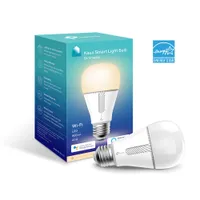
My top pick for the best cheap Prime Day deal is the best-selling Kasa Smart Light Bulb, available for just $6.99, making it a must-buy. The dimmable light bulb can be controlled remotely via the Kasa app, and it is compatible with Amazon Alexa and Google Assistant, allowing you to use your voice to control your lights.
Read moreRead less▼
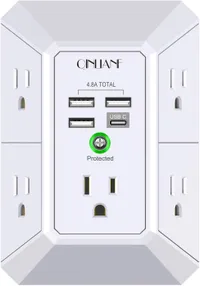
This convenient wall charger is a must-buy for all your gadgets, and it's on sale for just $9.48 - a record-low price. The three-sided charger features five outlets, four USB charging ports, a fireproof shell, and surge protection.
Read moreRead less▼
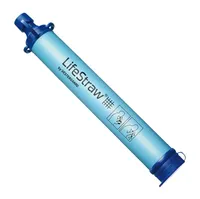
LifeStraw's personal water filter has become a breakout star during holiday sales, such as Prime Day, and Amazon has the nifty device on sale for just $9.95 — the lowest-ever price. Perfect for camping or hiking, the handheld LifeStraw filters bacteria and parasites to provide clean and safe drinking water.
Read moreRead less▼
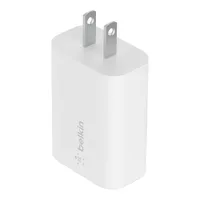
Let's kick things off with an unbelievably cheap charger from Belkin. When I reviewed the Belkin BoostCharger 25W, I highlighted its ability to activate fast-charging on most modern handsets, smart heat monitoring tech, and a well-finished exterior. At less than $13, this is perfect for anyone in search of an ultra-cheap charger during Prime Day.
Read moreRead less▼
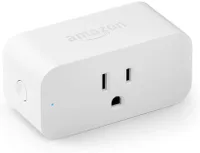
Add smart capabilities to any device in your home with the best-selling Amazon Smart Plug on sale for just $12.99. With over 500,000 positive reviews on Amazon, the smart plug works seamlessly with Amazon Alexa, allowing you to control lights and appliances with just your voice.
Read moreRead less▼
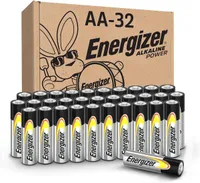
Amazon Prime Day is an excellent opportunity to stock up on household essentials, including batteries, which are a must-have for the upcoming school year and holidays. The retailer has a 32-pack of AA Energizer batteries for only $13.29, which is the lowest price I've ever seen.
Read moreRead less▼

Before we get super carried away, the JLab Go Air Pop are not the last word in sonic brilliance – if JLab had managed that for around the price of two Frappuccinos, we could all go home. But they also aren't half bad – in fact they're alarmingly good for this outrageous asking fee. If this is truly where your budget maxes out, you'll get reliable Bluetooth connectivity, killer battery life, comfortable and light earpieces, and solid musicality on the go. It would be churlish to expect more. I've been testing earbuds since 2019 and I love them.
Read moreRead less▼
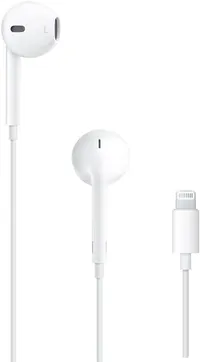
If you're a fan of Apple products and on a budget, Apple's wired headphones are on sale for only $15.99 - a record-low price. A slim, quality-looking design, clear sound, and comfortable fit are just a few of their best qualities. The earbuds also work with all devices that have a USB-C port and feature a built-in remote and microphone.
Read moreRead less▼
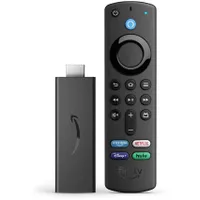
Get a cheap streaming device with Amazon's standard Fire TV Stick on sale for just $17.99 with code FTVHDADD at checkout. In our Fire TV Stick review, we found that the original version offered a cost-effective way to add essential smart features to your TV, including access to HD streaming apps, Alexa voice controls, and the ability to control other smart home devices.
Read moreRead less▼
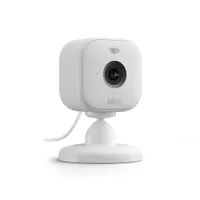
I've had my eye on the Blink Mini 2 since its release, and now that it's on sale for just $19.99 - it's a must-buy. The compact security camera features two-way audio and will alert your phone when motion is detected. The Blink 2 also includes a 1080p HD live view, color night vision with a built-in spotlight, and a wider field of view.
Read moreRead less▼
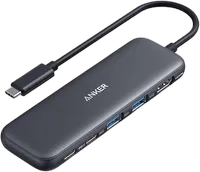
The Anker 5-in-1 USB-C hub is the perfect office companion. Speedy 5 Gbps data transfer across three ports, a 4K HDMI hookup, and 85W pass-through charging. Just don't lend it to your coworkers, or you'll likely never see it again.
Read moreRead less▼
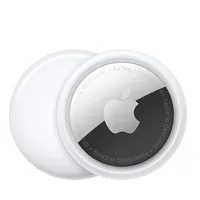
The Apple AirTag is Amazon's top-selling tech gadget, and thanks to Prime Day, it's on sale for only $19.99 – a record-low price. If you tend to misplace your keys or wallet or want to track your luggage, just attach the AirTag to anything you don't want to lose, and your iPhone will locate the item.
You can also get a four-pack on sale for $64.99, which comes down to just $16 an AirTag.
Read moreRead less▼
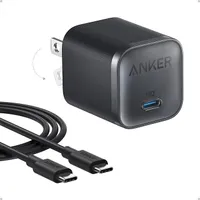
We recently named the Anker Nano Charger 45W with USB-C Cable in our list of the best tech of 2025 (so far). Why? Well, you get a generous amount of power, fantastic build quality, a 6ft USB-C cable, and a foldable design – all at an exceptional low price. So, you can imagine the way my eyes lit up when I saw this model on sale for less than $20! Everyone, this is a blinding deal that I urge you not to skip!
Read moreRead less▼

If you don't have a Stanley Tumbler, what are you even doing? The 30-ounce tumbler features a three-way lid and straw, and includes double-wall vacuum insulation, ensuring drinks stay cold, iced, or hot for hours. Today's Prime Day deal is a new record-low price.
Read moreRead less▼
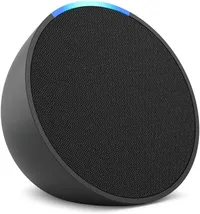
Looking to buy a smart speaker for a small space? Amazon's Prime Day deals include the all-new Echo Pop for just $21.99 - the cheapest Echo device you can buy right now. For that money, you're getting a compact smart speaker with Alexa built in, so you can play music, ask questions, and check the weather completely hands-free.
Read moreRead less▼

This stain treater is the GOAT. No, really - it removes any stain I throw at it and can be used on clothes, upholstery, and carpets, so I'm never without it. It's been a best-seller at this year's Prime Day sale, now it's on sale for only $22.94.
Read moreRead less▼
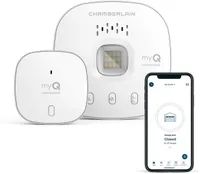
This smart garage door controller is one of those products that you'll question how you ever lived without. For just $22.61, you'll be able to not only open or close your garage door with the touch of a button, but you can also check the status from anywhere.
Read moreRead less▼

The Fullstar vegetable chopper has over 115,000 positive reviews and was a best-seller at last year's Prime Day sale. You can chop your favorite veggies in a flash with the four interchangeable blades that allow you to julienne, chop, and slice vegetables. Today's deal brings the price down to just $24.95.
Read moreRead less▼
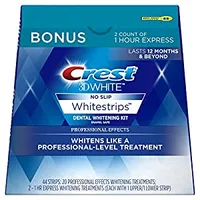
This is the one item I buy every Prime Day: Crest's 3D Whitestrips. The best-selling teeth whitening strips are rarely on sale, and today's deal brings the price down to just $29.99 - $2 shy of the record low. You get 48 whitening strips plus a bonus pair of one-hour express strips so that you can have a whiter smile in no time.
Read moreRead less▼
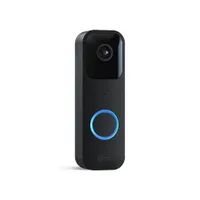
Amazon's Prime Day sale has the top-rated Blink Video Doorbell on sale for $29.99 - a return to its record-low price. The Blink doorbell alerts you when motion is detected and packs infrared night video, two-way audio, and Amazon Alexa for hands-free control.
Read moreRead less▼
Amazon Prime Day deals – Kindles & Fire tablets
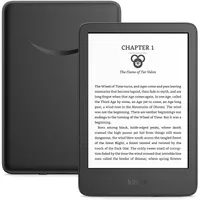
The latest version of the standard Kindle is on sale as part of the annual Prime Day sale. It's a basic ereader, but it still boasts a four-week battery life and space for thousands of books. Given it's $40 cheaper than the Paperwhite, this is clearly a better pick for the infrequent reader who's after a more budget-friendly option. At $85, this Prime Day deal matches the record-low price for the ereader, but is far from the bigger discounts I've seen in previous years.
Read moreRead less▼
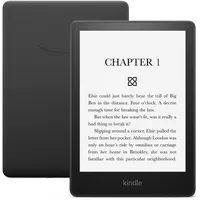
Amazon Prime Day features an OK, if a little disappointing, deal on the latest Kindle Paperwhite. We found in our Kindle Paperwhite review that it's packed with features to suit all avid readers, including a 12-week battery life, glare-free 7-inch screen, adjustable warm light, and storage space for thousands of books. This is a good buy and one of the best ereaders out there, it's just a shame that the days of even bigger discounts are well in the past.
Read moreRead less▼
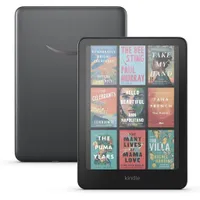
The Kindle Colorsoft is down to its lowest price as part of Amazon Prime Day. As Amazon's first and only colored Kindle, it's a must-have for people who love reading travel guides, graphic novels, and other genres with a lot of images and photographs. It's USB-C and wireless charging compatible, lasting up to 8 weeks on a full battery.
Read moreRead less▼
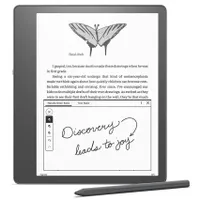
This updated version of the Kindle Scribe has only been discounted a handful of times in the past, so this Prime Day deal is a new record-low. The Scribe combines some of the best features of the Kindle Paperwhite, such as the glare-free and auto-adjusting display, along with the option to take notes, comment on documents, and doodle using the included stylus pen. Our Kindle Scribe review was down on some missing features that have been added in recent updates, so now this is better value for a multi-functional device.
Read moreRead less▼

Amazon's Kindle Paperwhite Kids is a truly awesome product, mainly because it combines the best features of the regular Kindle with a fun case and offers a worry-free guarantee for two years. The latter means you can get it replaced by Amazon if anything happens to it, like scratches on the screen or drops. Six months of Amazon Kids+ are included, providing access to thousands of books for free. It's now all available for a record-low price.
Read moreRead less▼
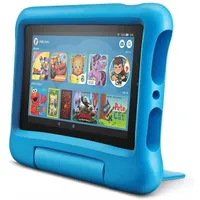
The latest Amazon Fire 7 Kids tablet is on sale for a record-low price of $49.99, thanks to today's incredible 50% discount. The seven-inch tablet features easy parental controls, a kid-proof case, and a year of Amazon Kids Unlimited, which gives you access to apps, games, books, videos, and more.
Read moreRead less▼
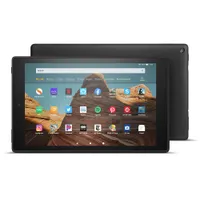
This might be one of the best Prime Day deals: Amazon's latest tablet, the Fire HD 10, is down to a new record-low price, and I don't imagine it will drop further on Prime Day itself. It features a large, bright 10-inch Full HD display, 3GB of RAM, and an octa-core processor for enhanced performance. The tablet also works with Amazon Alexa and provides an impressive 12 hours of battery life.
Read moreRead less▼

Here's another record-low price on Amazon's most powerful (and largest) Fire tablet. The vivid 11-inch display is ideal for streaming your favorite shows, reading a book, or playing games. The battery life is up to 14 hours, while the optional stylus and keyboard add extra functionality to this capable tablet. It's also easy to do light admin work with.
Read moreRead less▼
Amazon Prime Day deals – Amazon Devices
Add smart capabilities to any device in your home with the best-selling Amazon Smart Plug on sale for just $12.99. With over 500,000 positive reviews on Amazon, the smart plug works seamlessly with Amazon Alexa, allowing you to control lights and appliances with just your voice.
Read moreRead less▼
I've had my eye on the Blink Mini 2 since its release, and now that it's on sale for just $19.99 - it's a must-buy. The compact security camera features two-way audio and will alert your phone when motion is detected. The Blink 2 also includes a 1080p HD live view, night view in color with a built-in spotlight, and a wider field of view.
Read moreRead less▼
Looking to buy a smart speaker for a small space? Amazon's Prime Day deals include the all-new Echo Pop for just $21.99 - the cheapest Echo device you can buy right now. For that money, you're getting a compact smart speaker with Alexa built in, so you can play music, ask questions, and check the weather completely hands-free.
Read moreRead less▼
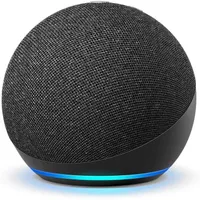
If you're looking for a more robust sound, Amazon also has the Echo Dot for its lowest price. Amazon's best-selling smart speaker offers an improved audio experience, plus a new temperature sensor and all the handy features from Alexa, like playing music, answering questions, and checking the weather completely hands-free.
Read moreRead less▼
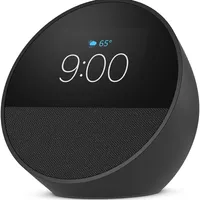
The Echo Spot is already in my shopping cart, and I can't wait for it to arrive. Amazon's brand-new Echo Spot pairs a 2.83-inch touch screen with a 1.73-inch front-firing speaker, making it an ideal smart alarm clock. With Alexa onboard, you can ask the assistant for the weather, play music, or even schedule alarms. Today's Prime Day deal is a return to the record-low price.
Read moreRead less▼
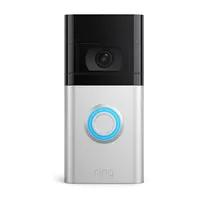
I already own the best-selling Ring Video Doorbell and can't imagine living without it. The smart doorbell includes a built-in battery and allows you to see, hear, and speak to anyone from your phone or computer. Today's Prime Day deal from Amazon is a record-low price.
Read moreRead less▼
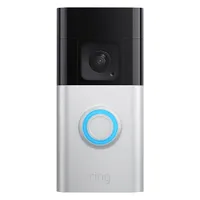
The latest version of the Ring Battery Video Doorbell Plus offers an even higher resolution than the standard model and features a convenient quick-release battery pack, allowing you to remove the battery without needing to take down the entire doorbell for recharging. Today's Prime Day deal is the lowest price yet.
Read moreRead less▼
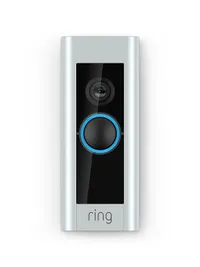
Amazon's Prime Day sale features the latest Ring Battery Doorbell Pro at a record-low price of $149.99. The Ring Pro features advanced motion detection, head-to-toe HD+ Video, two-way talk with Audio Plus, 3D, and built-in Alexa greetings.
Read moreRead less▼
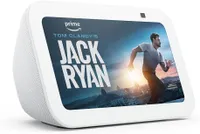
Amazon's best-selling Echo Show 5 is on sale for only $59.99 in today's sale. The 2023 Echo Show 5 features a compact 5.5-inch display but packs impressive sound with deeper bass and clearer vocals. With Amazon Alexa, you can listen to podcasts, movies, music, and more.
Read moreRead less▼
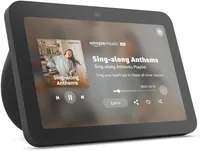
If you're looking for a larger smart home display, Amazon has the latest Echo Show 8 on sale for $109.99. Thanks to Alexa compatibility, the eight-inch display allows you to make calls, watch movies, check the weather, and control compatible smart home devices completely hands-free.
Read moreRead less▼
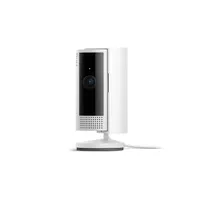
The Ring Indoor Cam is an excellent addition to the company’s growing suite of security products. It can monitor your entire home with 1080p HD video, live View, and Color Night Vision, plus two-way audio and alerts sent to your phone. Today's deal on a two pack is a record-low price
Read moreRead less▼
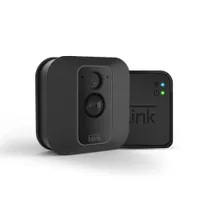
The 4th generation Blink outdoor security camera features enhanced motion detection, two-way audio, a two-year battery life, and works with Amazon Alexa for hands-free control. Today's Prime Day deal is a massive 62% discount and a record-low price.
Read moreRead less▼
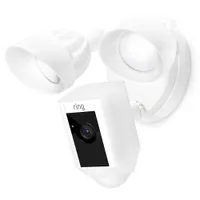
The Ring Floodlight Camera Wired Plus is on sale for its lowest price yet. The motion-activated HD camera features two-way talk and customizable motion zones and notifies your smartphone, tablet, or laptop when motion is detected.
Read moreRead less▼
Amazon Prime Day deals – TVs & streaming sticks
Get a cheap streaming device with Amazon's standard Fire TV Stick on sale for just $17.99 with code FTVHDADD at checkout. In our Fire TV Stick review, we found that the original version offered a cost-effective way to add essential smart features to your TV, including access to HD streaming apps, Alexa voice controls, and the ability to control other smart home devices.
Read moreRead less▼
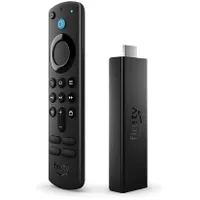
The best-selling Fire TV Stick 4K streams shows and movies on your TV in ultra-high-definition 4K resolution and is also on sale for just $24.99, thanks to Amazon's 50% discount. It's a solid streaming stick with access to all the major apps and support for voice controls through Alexa.
Read moreRead less▼
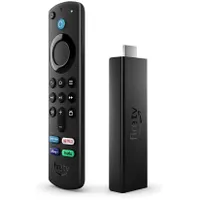
This is just $2 shy of the lowest price we've seen for Amazon's premium streaming device. The Fire TV Stick 4K Max streams the same content in the same quality as the standard 4K version, but the extra power inside means faster performance when navigating apps. Plus, it uses WiFi 6E technology to provide a more stable and consistent streaming experience.
Read moreRead less▼
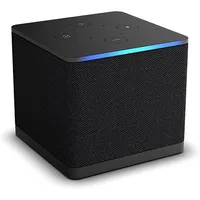
The fastest-ever streaming media player, Amazon's all-new Fire TV Cube combines all the benefits of a streaming device with Alexa support. It functions as a smart speaker, allowing you to control your smart home devices, and also provides access to virtually every streaming app imaginable. Throw in Dolby Vision, HDR, and Dolby Atmos support, and AI-powered Fire TV Search, and it’s everything you could want.
Read moreRead less▼

The LG C4 is ranked number one in our best TV guide, and thanks to Prime Day, the 65-inch model is now available at its lowest price yet. The OLED display features exceptional brightness, LG's latest Alpha 9 AI chip for enhanced performance, and impressive gaming features, including four HDMI 2.1 ports with 4K 120Hz, VRR, and ALLM support, as well as 144Hz certification from Nvidia.
Read moreRead less▼
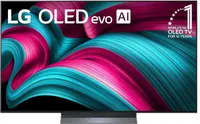
The all-new LG C5 is the successor to the C4, and Amazon is currently offering the 48-inch model at its lowest price yet. Awarded five out of five stars in our review, the OLED display delivers an outstanding picture thanks to LG's Alpha 9 AI processor Gen8, impressive gaming features, and a comprehensive smart platform featuring all-new AI capabilities.
Read moreRead less▼
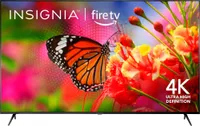
The best budget big-screen TV deal I've found for Prime Day is Insignia's 65-inch F50 Series 4K Fire TV on sale for an incredible price of $279.99. The Insignia F50 Series TV features 4K HD resolution, DTS Studio Sound, smart capabilities with the Fire operating system, and a voice remote with hands-free Alexa, so you can use your voice to control your TV.
Read moreRead less▼

Samsung's The Frame TV is my dream Prime Day purchase, and the 55-inch model just dropped to a jaw-dropping price of $797.99 – a new record-low price. The 2024 Samsung Frame TV features Pantone art-validated colors that deliver lifelike images. Plus, the display now comes with Streams, a complimentary set of artwork streamed from the Samsung Art Store.
Read moreRead less▼

This deal nets you a 65-inch, mini-LED display for under $550. It delivers vibrant colors and strong contrast, has an easy-to-use UI and has a stack of gaming features including 4K, 144Hz, VRR and ALLM support - an excellent list at this price range and size.
Read moreRead less▼
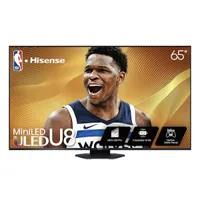
What an incredible deal – we gave this new 2025 TV a very positive review, rating it 4.5 stars out of 5. For this to be this cheap is a fantastic deal. It's super-bright and handles reflections well, offering total HDR support, gorgeously bold colors, great contrast handling, and strong gaming features, including 4K 120Hz support for next-gen consoles.
Read moreRead less▼

Amazon's 75-inch Omni Mini-LED Series QLED TV is on sale for its lowest price yet. The Mini-LED TV delivers an immersive viewing experience, supporting HDR10, HDR10+, HLG, and Dolby Vision. Plus, you can easily find your favorite content thanks to the built-in Fire TV interface.
Read moreRead less▼
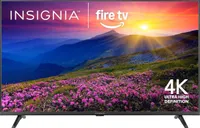
If you're looking for a mid-size budget TV, this Insignia 50-inch display is an incredible deal at only $169.99. The Insignia F50 Series TV features 4K HD resolution, DTS Studio Sound, smart capabilities with the Fire operating system, and a voice remote with hands-free Alexa, so you can use your voice to control your TV.
Read moreRead less▼
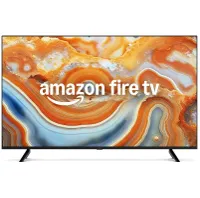
This brand-new version of the Amazon Fire TV 4-Series is on sale for its lowest price yet. The mid-sized 4K display supports HDR 10, offering a sharp, clear, and vibrant image for TV shows, movies, and sports. All major streaming apps are ready to go, too, plus there's voice control support through Alexa. It's an all-around solid TV for the price if you need an affordable and capable display.
Read moreRead less▼
A 55-inch mini-LED display for under $450: what's not to like? The TCL QM6K is unparalleled value, delivering great picture quality with vivid colors, a solid list of gaming features and an easy to navigate smart TV platform. TVs like this at this price are what Prime Day is all about.
Read moreRead less▼
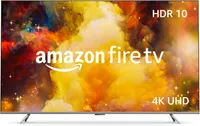
Amazon's highly rated Omni Series TVs feature 4K resolution support, Dolby Vision, HDR 10, and hands-free TV with Alexa. So, you can control the volume and launch channels hands-free instead of using your remote. Today's Prime Day deal brings the 55-inch model down to $339.99, which is the lowest price we've seen this year.
Read moreRead less▼
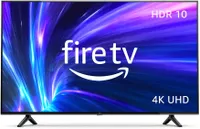
Amazon's Prime Day deals include this 40-inch 2-Series smart TV for just $169.99. For that price, you get smart capabilities with the Fire TV experience and Amazon Alexa for hands-free control.
Read moreRead less▼
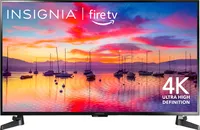
You can get the best-selling Insignia 43-inch 4K Fire TV for just $129.99 - an incredible price. The Insignia F30 Series features 4K HD resolution, smart capabilities with the Fire operating system, and a voice remote with hands-free Alexa, so you can use your voice to control your TV.
Read moreRead less▼
Amazon Prime Day deals – Apple
The Apple AirTag is Amazon's top-selling tech gadget, and thanks to Prime Day, it's on sale for only $19.99 – a record-low price. If you tend to misplace your keys or wallet or want to track your luggage, just attach the AirTag to anything you don't want to lose, and your iPhone will locate the item.
You can also get a four-pack on sale for $64.99, which comes down to just $16 an AirTag.
Read moreRead less▼
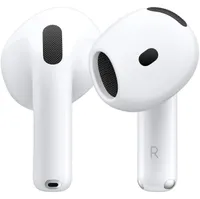
If you want to get your hands on Apple's all-new AirPods 4, you can find them on sale for a new record-low price of $89. The AirPods 4 feature a new design for all-day comfort and feature Apple's H2 chip, which supports personalized spatial audio and voice isolation. You also get a redesigned case with 30 hours of battery life and support for USB-C for wireless charging. The version with active noise cancellation is also reduced to $119.99 – another record-low price.
Read moreRead less▼
Amazon is also offering the all-new AirPods 4 with active noise cancellation for $119, marking a new record-low price and an incredible deal on Apple earbuds with ANC. It's only $30 more than the deal above, so if noise cancellation is essential for you, then you should grab this deal before it sells out.
Read moreRead less▼
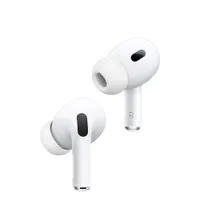
Apple's best-selling AirPods Pro 2 sound excellent, offer top-tier noise cancellation, feature Dolby Atmos spatial audio, which is amazing for movies, and they even have an unlosable case, thanks to technology that points you to where it's hiding (and a speaker to help, too). Today's Prime Day deal is another record-low price.
Read moreRead less▼
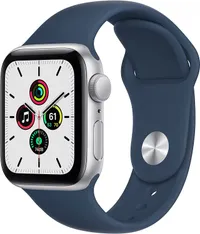
If you're looking for a budget smartwatch, Amazon's Prime Day sale has the Apple Watch SE for $169, which is the cheapest price we've seen this year. The Apple Watch SE tracks activity, sleep, and calories burned and will notify you when a high or low heart rate is detected. The water-resistant smartwatch also helps you stay connected by allowing you to receive notifications, take calls, and reply to texts directly from your wrist.
Read moreRead less▼
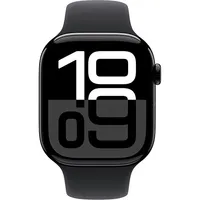
The Apple Watch Series 10 is Apple's latest flagship smartwatch, and it's down to a record-low price for Amazon Prime Day. All of its upgrades are integrated into a thinner, more comfortable body. It includes all the standard health and fitness tracking features, as well as some more advanced ones like an ECG for monitoring heart irregularities, overnight metrics to identify issues like sleep apnea, and more. As with past models, it remains an ideal fitness partner that can track activity levels and health metrics and push you toward your fitness goals.
Read moreRead less▼

You can get the latest Apple iPad A16 on sale for its lowest price yet. The most significant upgrade compared to the previous generation model is the latest A16 chip for faster performance. You also get double the storage of 128GB as standard, a sharp 11-inch Liquid Retina display, and solid 12MP front and back cameras.
Read moreRead less▼
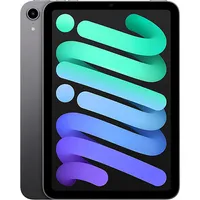
There's little not to love about Apple's iPad mini tablet. The built-in A17 Pro chip delivers an incredible level of power, complemented by an 8.3-inch display that looks stunningly beautiful. This is a portable powerhouse that makes a perfect travel companion. A $120 discount brings the iPad mini down to its lowest-ever price.
Read moreRead less▼
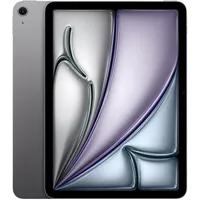
Apple's latest iPad Air is $130 off, bringing the price down to a new record low. You're getting Apple's powerful M3 chip, the latest iPad Air boasts a crisp Liquid Retina display, 128GB of storage as standard, 12MP front and back cameras, and support for Apple Intelligence AI features.
Read moreRead less▼

Processor: Apple M4
RAM: 16GB
Storage: 256GB
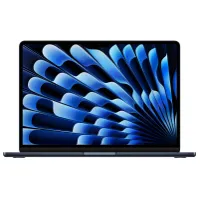
Amazon's Prime Day sale has a $100 discount on the latest MacBook Air - a fantastic deal if you're looking for an everyday laptop. While this particular model is a relatively iterative upgrade over the previous 2024 M3 version, it's still more powerful, more power efficient, and features 16GB of RAM right out of the box. Overall, it's an outstanding buy.
Read moreRead less▼
Processor: Apple M4
RAM: 16GB
Storage: 512GB
If you need more storage, here's a $150 discount on the upgraded 512GB configuration. Apple is currently listing a record-low price on this excellent machine, so it's an easy recommendation to make. We're not a huge fan of the massive surcharge Apple wants for a storage upgrade, but this is likely to be the lowest price we'll see for a while on this configuration.
Read moreRead less▼

The Apple MacBook Pro (M4 Pro) is one of the most powerful MacBooks available, with ample power ready to tackle intensive tasks. With a 14-core CPU and a 20-core GPU, productivity and gaming are a breeze, and it also helps that you'll have 24GB of unified memory. While still quite pricey on sale, it's a generous deal for a laptop that will serve you well for years.
Read moreRead less▼
Amazon Prime Day deals – Kitchen appliances
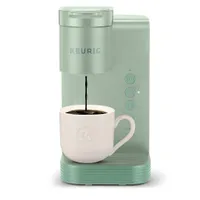
We love the Keurig K-Express, but we love it even more in one of its various adorable colorways. A personal favorite is berry, but the mint is very on trend this year. This coffee maker is cheap and easy to use, and while this $30 discount isn't the cheapest it's ever been, it's the cheapest we've seen it in a while. It can brew 8, 10, and 12oz cups depending on your preference. The 42oz reservoir holds enough water to brew up to 5 8oz cups per refill.
Read moreRead less▼

The Pop+ was already one of the best machines we've tested, but I can't get enough of its latest limited edition pistachio green refresh. It's got a huge price cut for Prime Day, meaning you benefit from its extra-large water tank, plus a sample box of Nespresso Vertuo capsules, all for a bargain price.
Read moreRead less▼
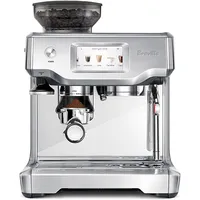
This is the machine that has it all: a compact integrated grinder, tamping functionality, auto-dosing, and auto milk frothing. With all these features, you might think it'd be a nightmare to use, but its user-friendly interface means anyone can operate it. We appreciate it's an investment, but it’s hardly surprising that it tops our look at the best espresso machines, so don't miss your chance to get it for a record-low price.
Read moreRead less▼
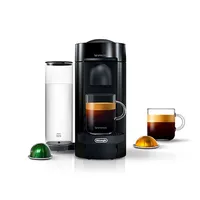
This coffee maker is one of the simplest and easiest to use that Nespresso has ever made. A one-touch brewing button means you can get your coffee quicker and more easily than ever before. And thanks to this record-low price for Prime members, you can get a fantastic machine at an affordable price.
Read moreRead less▼
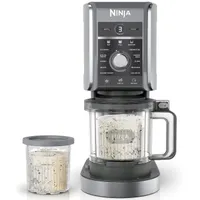
Effortless to use and offering a ton of useful features, Ninja’s Creami Deluxe is a smart choice if you’ve been looking to whip up large batches of frozen desserts. A generous 11 settings make it supremely versatile for a wide range of treats, including cold drinks.
Read moreRead less▼
It's not often Ninja's mid-range air fryer drops this low in sales, so it's a real treat this Prime Day. The Ninja Max XL offers a 5.5-quart capacity, meaning you can fry up to 3lbs of fries, wings or whatever else you please.
Read moreRead less▼
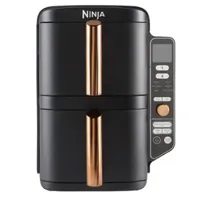
Ninja's recent space-saving air fryer is a very tempting price right now, though I have to note that on two brief occasions, it's dropped as low as $149. This price is still below its usual price discount level, though. We loved it at TechRadar, scoring it full marks in our Ninja Double Stack Air Fryer review and even putting it in our best air fryer buying guide. Well-built and great-looking on any countertop, it offers five cooking levels across two drawers and two racks, while the 9.5L capacity is ideal for medium to big families.
Read moreRead less▼
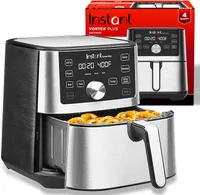
Our 4.5-star air fryer is half off in Amazon's Prime Day sale, and we gave it a high rating in our review for a number of things. For starters, it's a very versatile model with grill, roast, and bake settings, easily replacing single-use kitchen gadgets. As well as its speedy cooking times and even results, this model is ideal for bulk cooking thanks to its size. On the other hand, it may not be an option if you're tight for kitchen space, but for one of the more expensive air fryer models out there, this isn't a deal worth skipping on.
Read moreRead less▼
Amazon Prime Day deals – Vacuums
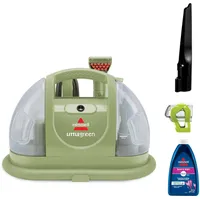
Bissell portable carpet cleaners have become the breakout stars at holiday sales like Prime Day, and the top-rated Little Green model is currently on sale for $81.99, which is the lowest price we've seen this year. Perfect for pet owners and parents, the portable carpet cleaner can magically erase spills and stains on carpets, couches, auto interiors, and more.
Read moreRead less▼
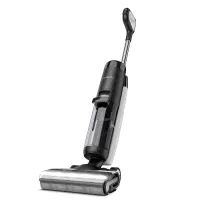
The top-rated Tineco cordless wet-dry vacuum mop combo is on sale for a record-low price of $269.99. The Tineco Floor One S5 vacuums and washes hard floors in one step, handling wet and dry messes in one sweep.
Read moreRead less▼

We love the Dyson V8. Not only is it our pick for one of the top cheap vacuums, but it's also one of the best Dyson vacuums – period. This more-than-capable vacuum also comes with more attachments than you could shake a stick at. We might struggle to recommend it at its full price, but at this discounted offer for Prime Day, we can't recommend it more highly.
Read moreRead less▼
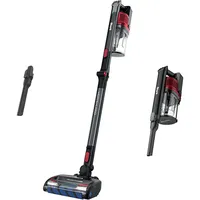
Packing in everything you could want from a quality vacuum cleaner, the Shark Cordless Vertex Pro has HEPA filtration for capturing allergens, a multiflex wand which helps you reach awkward areas, and its self-cleaning brush roll for effective pet hair pickup. It’s a good all-rounder whether you’re looking to clean your living room, tidy up after your pet, or giving your car a quick sweep up.
Read moreRead less▼

Enjoy convenient cooling with this misting fan that can be used indoors or out, corded or cordless, with the option to use in a pedestal or tabletop configuration. For a cooling mist, you simply need to hook up the mister attachment to a water source. And best of all, this clever setup is down to its lowest ever price this Prime Day.
Read moreRead less▼
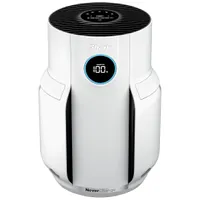
This air purifier packs in some extra defences to help capture different particles, along with clever removable and washable pre-filters that could theoretically make the internal HEPA filter last up to 5 years. I'll be honest, I didn't consider the NeverChange to be value for money when I reviewed it, but this epic $80 discount makes it well worth buying.
Read moreRead less▼
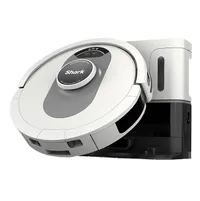
This self-emptying vacuum is a perfect solution for pet owners and smart-gadget lovers. At a massive half off the retail price and almost matching the previous record-low, you'll do well not to be tempted by the robot vacuum from Shark that is guaranteed to make your life that little bit easier.
Read moreRead less▼
Amazon Prime Day deals – Laptops
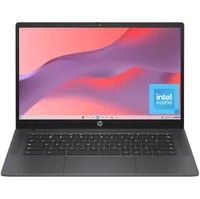
Display: 15.6 inches
Processor: Intel Processor N100
RAM: 8GB
Storage: 128GB
I rarely see a laptop with 8GB of RAM for under $200, so this HP Chromebook 14 is a huge bargain in the Amazon Prime Day sale. Even with that added performance, it's still a fairly basic device best suited to light use and schoolwork. That's backed up even more with the lean ChromeOS powering it and exceptional all-day battery life, making it an excellent portable option at a stunningly affordable price.
Read moreRead less▼
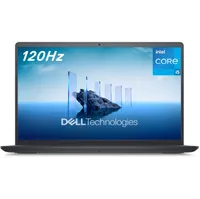
Display - 15.6 inches
Processor - Intel i5
RAM - 8GB
Storage - 512GB
One of the best cheap laptops in the Amazon Prime Day sale is this Dell Inspiron 3520 with an Intel i5 processor, 8GB of RAM and a surprisingly large 512GB SSD that all work together to ensure good overall performance and enough essential speedy storage for the price. I recommend it now if you're on a budget and need a laptop for general everyday use, admin tasks, light work, or schoolwork.
Read moreRead less▼
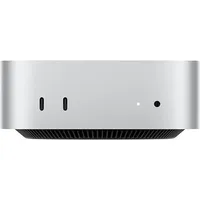
This has very briefly fallen to just $469 in the past, so this isn't a totally blockbuster deal – but it's a 5-star product and it's got a discount, so it's only right to bring it to your attention. The Mac Mini M4 is all the computer that 99% of us could ever need – it's really powerful, it's tiny, it's silent, macOS works beautifully, it's got lots of ports… read our full Mac Mini M4 review for more.
Read moreRead less▼

Display - 13.6 inches
Processor - Apple M4
RAM - 16GB
Storage - 256GB
The MacBook Air 13-inch (M4) is the newest version of Apple's popular laptop and it's now down to a great price at Best Buy. You get a great-looking 13.6-inch Liquid Retina display, while the boost to 16GB of RAM keeps all your programs running smoothly. It's just a shame Apple still insists on only 256GB of storage as standard, which feels a little miserly in 2025. Nevertheless, this is still one of the best laptops you can buy if you need a performance powerhouse for productivity and creative tasks – especially after this $150 discount.
Read moreRead less▼
Processor: Apple M4
RAM: 16GB
Storage: 512GB
If you need more storage, here's a $150 discount on the upgraded 512GB configuration. Apple is currently listing a record-low price on this excellent machine, so it's an easy recommendation to make. We're not a huge fan of the massive surcharge Apple wants for a storage upgrade, but this is likely to be the lowest price we'll see for a while on this configuration.
Read moreRead less▼
The Apple MacBook Pro (M4 Pro) is one of the most powerful MacBooks available, with ample power ready to tackle intensive tasks. With a 14-core CPU and a 20-core GPU, productivity and gaming are a breeze, and it also helps that you'll have 24GB of unified memory. While still quite pricey on sale, it's a generous deal for a laptop that will serve you well for years.
Read moreRead less▼
Amazon Prime Day deals – Headphones
If you want to get your hands on Apple's all-new AirPods 4, you can find them on sale for a new record-low price of $89. The AirPods 4 feature a new design for all-day comfort and feature Apple's H2 chip, which supports personalized spatial audio and voice isolation. You also get a redesigned case with 30 hours of battery life and support for USB-C for wireless charging. The version with active noise cancellation is also reduced to $119.99 – another record-low price.
Read moreRead less▼
Amazon is also offering the all-new AirPods 4 with active noise cancellation for $119, marking a new record-low price and an incredible deal on Apple earbuds with ANC. It's only $30 more than the deal above, so if noise cancellation is essential for you, then you should grab this deal before it sells out.
Read moreRead less▼
Apple's best-selling AirPods Pro 2 sound excellent, offer top-tier noise cancellation, feature Dolby Atmos spatial audio, which is amazing for movies, and they even have an unlosable case, thanks to technology that points you to where it's hiding (and a speaker to help, too). Today's Prime Day deal is another record-low price.
Read moreRead less▼
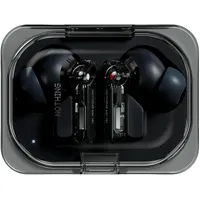
In our five-star Nothing Ear (a) review, we lauded these buds for their zealous, expansive sound, brilliant ANC, and highly compact design. It's hard to believe that these are on sale for less than $70 this Prime Day – that's how good they are.
Read moreRead less▼
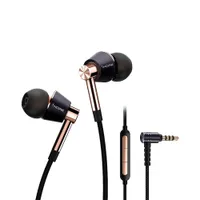
Okay, so this isn't a massive discount. But when you consider that before the price cut these in-ears delivered five-star sound for just under seventy bucks, even this 10% discount makes them even more attractive. When we reviewed them we said they were great value for money, and now they're 10% greater. Here's our full 1More Triple Driver In-Ear Headphones review.
Read moreRead less▼
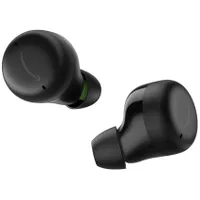
The fantastic Echo Buds have an impressive 68% discount at Amazon's Prime Day sale. The earbuds feature Active Noise Cancellation and long-lasting battery life, and the integration with Alexa is another big win, guaranteeing a pleasant, hands-free operation.
Read moreRead less▼
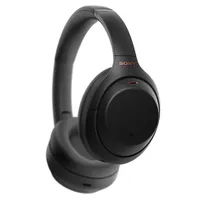
The Sony WH-1000MX4 are still some of the best over-ear headphones and are now down to a terrific price in Amazon's Prime Day sale – although they were a few dollars cheaper earlier this week. These wireless headphones combine top-notch audio, comfortable fit, and effective noise cancellation at a reasonable price point. Plus, they're $100 less than the newer Sony XM5 and even cheaper than the latest XM6, which are both only minor upgrades.
Read moreRead less▼
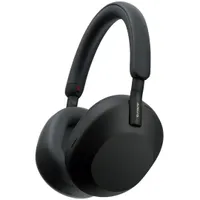
If you prefer newer tech, then you can get these class-leading Sony WH-1000XM5 for over $100 off at Amazon. Given how good the older XM4 model is, you won't be surprised to discover that the XM5 is even better. They don't fold like the XM4s did, so that may be a deal-breaker for you. Otherwise, the XM5s are a comfortable, smart, great-sounding pair of headphones that are highly effective at blocking outside noise. But we'd probably go for the XM4s to save even more cash. Here's our 5-star Sony WH-1000XM5 review.
Read moreRead less▼
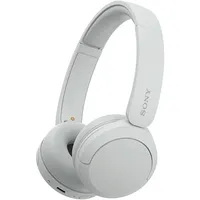
Want a good pair of super-cheap headphones? There isn't a better option than these Sony WH-CH520, which are down to a great low price in the Amazon Memorial Day sale. They offer high-quality sound for the cost and a comfortable fit for all-day use. Of course, they lack some premium features found in more expensive cans, but these are an excellent buy if you're on a tight budget.
Read moreRead less▼
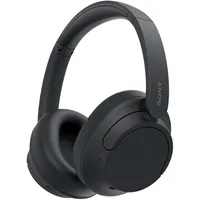
The Sony WH-CH720 are already a very affordable pair of headphones, but they're now down to a near record-low price for Amazon Prime Day (they were $2 cheaper earlier in the sale). As we said in our four-star Sony WH-CH720 review, these cheaper Sony cans pack in a lot of audio finesse and smart features for the price. They're a comfortable, enjoyable listen, and the ANC does a good job of lowering outside noise given the budget-friendly price.
Read moreRead less▼
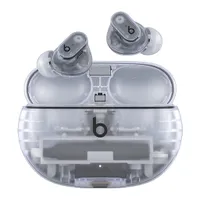
The Beats Studio Buds Plus are our pick for the best Beats earbuds – and they've had a further $10 price cut after dropping below $100 earlier this week. These earbuds build on the standard Studio Buds with better active noise cancellation, larger mics for clear, crisp calls, and longer battery life up to 36 hours with the charging case. It also lets you customize the fit with four pairs of silicone tips. All that, plus the stylish good looks, make it a great deal for mid-range buds under $90.
Read moreRead less▼
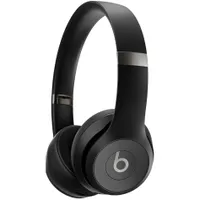
The Beats Solo 4 are a much more affordable option at 50% off and better priced in line with the level of audio quality and performance you can expect from these cans. The lightweight build, ergonomic design, and 50-hour battery life make them a convenient pick for commutes for most casual listeners. It might not be the most advanced set of headphones out there, but they are great value for some good-looking cans with lossless audio capabilities and plenty of utility.
Read moreRead less▼
Amazon Prime Day deals – Smartwatches
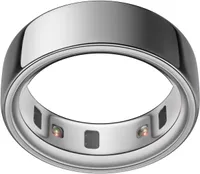
For Prime Day 2025, the Oura Ring Gen 4 is receiving its first-ever discount. Right now, it's 15% off in every color – Rose Gold, Silver, Black, Stealth, Gold, and Brushed Silver are all included. For the entry-level shades priced at $349, the 15% discount knocks the price down to under $300 at $296.65. Remember, you can get a sizing kit, and we do recommend that to get the perfect fit for the smart ring.
Read moreRead less▼
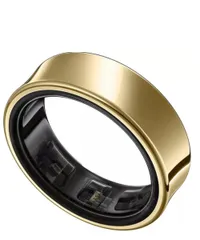
For Prime Day 2025, Amazon's taking 25% or $100 off the Samsung Galaxy Ring. That brings the smart ring down to a record-low price of $299.99 in black, gold, or silver. Once paired with a Galaxy phone, you can wear the Galaxy Ring to track your activity and health. It doesn't require a subscription cost, unlike the Oura Ring, and works within Samsung's Health app.
Read moreRead less▼
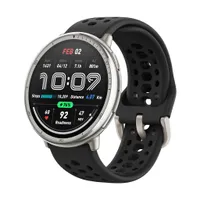
This excellent smartwatch is already amazing value, but you can save a further 20% off the sticker price on a model with either a red or black strap during Prime Day. Full-color maps, a stainless steel bezel, GPS and a 10-day battery life make for a fitness companion that far outperforms its cheap price. Read our full Amazfit Active 2 review.
Read moreRead less▼
The Apple Watch Series 10 is Apple's latest flagship smartwatch and it's down to a record-low price for Amazon Prime Day. All of its upgrades are integrated into a thinner, more comfortable body. It includes all the standard health and fitness tracking features, as well as some more advanced ones like an ECG for monitoring heart irregularities, overnight metrics to identify issues like sleep apnea, and more. As with past models, it remains an ideal fitness partner that can track activity level and health metrics and push you toward your fitness goals.
Read moreRead less▼
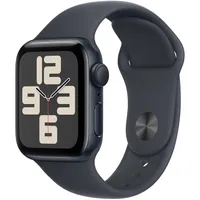
The return of an $80 discount brings this Apple Watch down to $169 – that's the lowest price this year and just $20 more than the Black Friday deal. It might be Apple's budget-friendly wearable, but it still looks great and has all the essential functions you need in a slick Apple design. For the price, you can enjoy fitness and sleep tracking, heart rate monitoring, and car-crash detection all on your wrist.
Read moreRead less▼
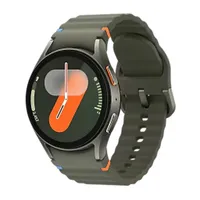
The feature-packed Galaxy Watch 7 is on sale for its lowest price yet. Its sleek, bezel-free design, shiny Super AMOLED display, and sturdy, adjustable band offer durability and comfort without tackiness. Health and fitness tracking is guaranteed, alongside other standard smartwatch features such as notifications, alarms, and Samsung Pay.
Read moreRead less▼
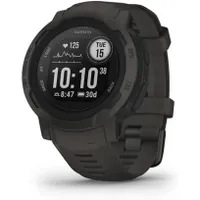
This Garmin smartwatch might be the previous generation, but we gave it a full five stars and can guarantee it still delivers where it matters most. Now at a low price for the 45mm solar version of this watch, you'll be hard pressed to get a better watch for this amount of money if you want a rugged wearable for your health and fitness tracking needs.
Read moreRead less▼
The smaller 40mm version of this watch, it's still packing the battery-extending Power Glass solar technology, allowing the watch to effectively run for as long as it's got access to very bright sunlight. Essential adventuring for people with slimmer wrists.
Read moreRead less▼
Amazon Prime Day deals – Health & Beauty
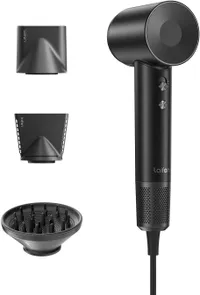
If you don't want to shell out for a pricey Dyson, Amazon has the Laifen Swift Special hair dryer on sale for only $109.99. - a record-low price. You can dry your hair in a flash, thanks to the 110,000 RPM high-speed brushless motor and advanced features that reduce heat damage and frizz.
Read moreRead less▼
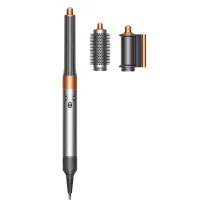
Amazon's deal is on the Dyson Airwrap (2022) – it's not the newest version, but it's still an excellent hair styler. This 20% off deal matches the lowest price we've recorded on this model. Dyson has discontinued it, and at some point, you'll run out of chances to pick up an Airwrap for this kind of low price. Relatively speaking, of course, as it's still very expensive.
Read moreRead less▼
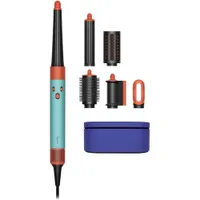
The Dyson deal is on an updated version of this styler: the Dyson Airwrap i.d., which has a switch that launches a curling sequence – wrap, curl, or cool shot – to give consistent, long-lasting results with minimal effort. You'll also get a wide selection of styling tools. You can pick from a Curly+Coily or Straight+Wavy bundle, and both of which have a wide selection of styling attachments.
Read moreRead less▼
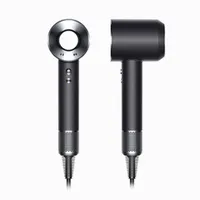
The Amazon Prime Deal is on the original version of the Supersonic dryer. It's still powerful, efficient, and easy to direct. There's $80 off, which is a deal we've seen before, but it's still an excellent price for a Supersonic dryer.
Read moreRead less▼
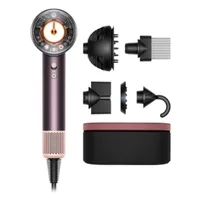
If you fancy splashing out a bit more, there's an excellent price drop on a newer version – the Supersonic Nural. This clever dryer features attachment memory and a scalp-protecting mode that adjusts temperatures depending on how close the dryer is to your head.
Read moreRead less▼
This is the one item I buy every Prime Day: Crest's 3D Whitestrips. The best-selling teeth whitening strips are rarely on sale, and today's deal brings the price down to just $29.99 - $2 shy of the record low. You get 48 whitening strips plus a bonus pair of one-hour express strips so that you can have a whiter smile in no time.
Read moreRead less▼
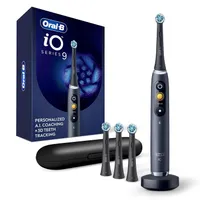
This Oral-B iO Series 9 deal brings the powerful, premium toothbrush with AI position detection down to nearly its lowest-ever price (which was $199 during Prime Day 2022). Sure, it's still pricey, but there's a reason it scored 4.5 stars in our review. You get a high-performing, oscillating, pressure-sensitive brush head and quick charge for nearly $100 off. Best of all, it's bundled with three extra heads as well.
Read moreRead less▼
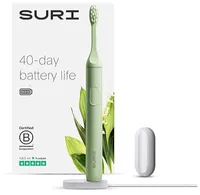
There's a smooth 25% on this sustainability-focused electric toothbrush from B-Corp certified Suri at Amazon that's worth checking out. Scoring an impressive 4.5 stars in our full review thanks to its lengthy battery life and clever cleaning case, this is a deal worth chewing over.
Read moreRead less▼
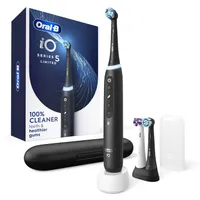
Is the iO Series 9 too dear for you? Get the Series 5 instead, which has many of the same features and is also bundled with a trio of toothbrush heads without AI position detection smarts. Plus, it comes with a travel case.
Read moreRead less▼
Amazon Prime Day deals – Lego

If you've ever wanted to build a boutique hotel out of Lego bricks, the toy giant has answered the call. For Prime Day 2025, the Icons Boutique Hotel is $70 off at $159.99. You'll craft this iconic hotel out of 3,066 pieces and even build an attached art gallery.
Read moreRead less▼

If you're a Star Wars fan who leans towards the Dark Side – or are shopping for someone who is – this day one Prime Day Deal is for you. Amazon's dropped the price of this display and play worthy Imperial Star Destroyer to $111.99. A return to the lowest price we've tracked, which first appeared on May 4th. You'll make the iconic ship out of 1,555 pieces, and it comes with 7 Minifigures.
Read moreRead less▼

If you simply want an easy and fun Lego build, this Sunflowers set is for you. And it's a massive 47% off at just $7.94. From 191 pieces, you can create two lovely Lego sunflowers.
Read moreRead less▼

What's better than one Lego set? Well, a Lego set that lets you build nine seperate things. This Tiny Plants set, part of the Lego Botanicals line, lets you create nine plants, all housed in terracotta pots that you'll also construct out of Lego. Right now, it's 20% off on Amazon for just $39.99.
Read moreRead less▼

There's a reason why Lego Botanical sets are so, so popular, and this Lucky Bamboo one is my favorite out of the latest drop in this theme. You'll construct three bamboo chutes and a pot, complete with polished rocks, out of 325 pieces. Best of all, it's close to a record-low price of $23.99.
Read moreRead less▼

Lego has produced many Millennium Falcon sets, but this smaller one, which debuted for the 25th anniversary of Star Wars: A New Hope, is an excellent model and even better with a 20% discount. It's currently available at the lowest price ever, at $67.98, and makes a superb display piece.
Read moreRead less▼
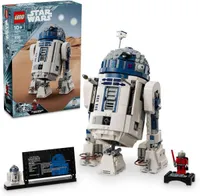
R2-D2 is the most iconic droid around, and right now, you can build your own version of the epic piece of Star Wars out of 1,050 bricks for just $79.99. That's a 20% discount from the $99.99 MSRP, and Prime members get free fast shipping. This set is themed to the 25th anniversary of Lego Star Wars and comes with a mini R2-D2, a display plate, and a Darth Malak minifigure.
Read moreRead less▼

This excellent Lego Creator 3-in-1 set is a delight. With 261 pieces, you can build a retro camera, a video camera, or a TV set. Best of all, the set is just $15.99.
Read moreRead less▼

Lego City is probably one of the most recognizable themes from the brick-building brand, and whether you have other sets or this is your first, this Police Car with Minifigure is a fun set to get started with. Plus, for Memorial Day, this 94-piece set is just $9.99.
Read moreRead less▼
Amazon Prime Day deals – Subscriptions

Amazon Prime for Young Adults: six-month free trial
Students and anyone aged 18-24 can score a sweet six-month free trial for Amazon Prime right now. That's a huge freebie and perfectly timed for the Prime Day sale, as well as any back-to-school purchases that are on your shopping list. There are several handy perks, including up to 10% cashback, free delivery with Grubhub Plus and unlimited streaming on Prime Video.
Read moreRead less▼

Audible Premium Plus: 3-month free trial
While the Premium Plus membership is active, you will receive one credit a month that can be used on any Audible audiobook. In addition to the heavily discounted subscription, customers who take advantage of this offer will benefit from a 30% discount on all audiobooks from the Audible store.
Read moreRead less▼
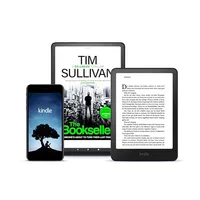
Amazon Kindle Unlimited: three-month free trial
Kindle Unlimited is perfect if you read a lot of books or you can’t settle on just one genre. Sign up and you have ready access to a near never-ending supply of fiction and non-fiction, including biographies, self-help books, and foreign language novels. There are even audiobooks, too, although don’t expect the same quantity as you get with Audible.
Read moreRead less▼

Amazon Music Unlimited: four-month free trial
More into your tunes? You can also get a lengthy 4-month trial of Music Unlimited right now - Amazon’s premium music streaming service. Unlike the free tier or the basic Amazon Music Prime benefit, Music Unlimited provides ad-free listening, the ability to download songs for offline playback, and high-definition and spatial audio options. With over 11 million tracks, you're sure to be covered regardless of taste, too.
Read moreRead less▼

If you're a Prime member, you're automatically entitled to a free Grubhub+ membership. That's a saving of $120 per year on memberships, and if Amazon's marketing is to be believed, an average saving of $300 for most people on deliveries and such. Alongside free delivery and access to exclusive promotions, Prime members can also PRIME10 at checkout to get $10 off any order over $20 until July 7th!
Read moreRead less▼

Amazon Prime gaming: get six games for $100 free
If you're a Prime member, you're already entitled to a free Prime gaming and Twitch subscription. There is an additional perk in the build-up to this year's Amazon Prime Day, however - six free games. The games in question here are slightly older titles from the Saints Row, Star Wars, and Tomb Raider franchises, but they all add up to a pretty hefty free gift. Check it out if you're a gamer!
Read moreRead less▼
Amazon Prime Day deals – streaming

Apple TV+ two-month subscription: was $9.99 per month now $4.99 at Prime Video
Stream Severance season 2, The Gorge and Stick for just $4.99 per month, down from the usual $9.99. This represents a 50% saving on the usual monthly price, but note that the offer is only available for two months.
Read moreRead less▼

Paramount+ two-month 'Premium' subscription: was $12.99 per month now $0.99 at Prime Video
This is a massive saving: Paramount+ 'Premium' is usually $12.99 per month, so you can enjoy Dexter: Resurrection (from July 11), season 7 of The Chi or season 18 of Criminal Minds: Evolution for almost nothing. The deal also applies to Paramount+ 'Essential', which is down from $7.99/month to $0.99 a month, but you might as well go for the full-fat service for the same low price.
Read moreRead less▼

Starz two-month subscription: was $10.99 per month now $0.99 at Prime Video
This is another big discount: Starz is usually $10.99 a month, so this is a super-cheap way to catch season 4 of BMF, season 7 of Outlander, or Flight Risk for a lot less. Just be mindful that this promotion only applies to two months before converting back to the full price.
Read moreRead less▼

MGM+ two-month subscription: was $6.99 per month now $0.99 at Prime Video
This one's a nice discount too, down from $6.99 to $0.99 for two months. That gives you loads of great stuff including season 4 of Godfather of Harlem, season 3 of FROM and, from July 13, season 1 of The Institute.
Read moreRead less▼

BET+ two-month 'Premium' subscription: was $8.99 per month now $0.99 at Prime Video
Down from $8.99 a month, this excellent BET+ deal gets you Lil Kev, Usher: Rendezvous in Paris and season 1 of Divorced Sistas too.
Read moreRead less▼

BritBox two-month subscription: was $8.99 per month now $0.99 at Prime Video
If you want to catch the best UK TV, there are some great shows here, discounted from the usual monthly price of $8.99: Shetland is great fun, and the catalog also includes Outrageous and Ludwig.
Read moreRead less▼

AMC+ two-month subscription: was $9.99 per month now $0.99 at Prime Video
Both the ad-free and ad-supported tier are down to $0.99 from $9.99 and $6.99 respectively, and that gives you Fallen, The Last Anniversary and TWD: Dead City for virtually no money.
Read moreRead less▼

ViX two-month subscription: was $8.99 per month now $0.99 at Prime Video
This Prime Video subscription add-on is usually $8.99 per month, and has a great catalog of shows including Liga MX, season 3 of Mujeres Asesinas and the new Con esa Misma Mirada.
Read moreRead less▼

Hallmark+ add-on subscription to Prime Video: was $7.99 a month now $0.99 at Prime Video
If you celebrate Christmas in July, then you're going to love this Prime Video subscription add-on discount for Hallmark+. The deal has come at the perfect time, because it means you can stream new movies from its Christmas in July collection like Mistletoe Murders, Holiday Touchdown: A Chiefs Love Story andThe Motherhood for a fraction of the usual price. Just be aware that this offer ends on July 11.
Read moreRead less▼
Amazon Prime Day 2025: all you need to know

When is Amazon Prime Day 2025?
The date for Amazon Prime Day 2025 has been announced and will take place from July 8 to July 11. Yes, that means instead of two days of Prime Day deals, Amazon has extended the sale to 96 hours.
This is the first time Amazon has extended its Prime Day sale to four days, meaning we'll have four days of daily drops of new deals.
How do I become an Amazon Prime member?
You need to be an Amazon Prime member to access all Prime Day deals. A subscription costs $14.99 per month or $139 for a year.
If you haven't signed up before then new subscribers can get a 30-day Amazon Prime free trial to buy the member-exclusive deals. The free trial also lets you try out all the other membership benefits, including free shipping, access to Prime Video and much more.
You can read our Amazon Prime review for full coverage of what you get as part of a membership. That can help you decide if you want to cancel Amazon Prime once your free trial has ended to avoid being charged the monthly fee.
What are the best Amazon Prime Day deals?
Many of the best Prime Day deals are on Amazon products. The retailer always discounts these items to the lowest prices of the year during Prime Day – even cheaper than we see on Black Friday – which makes it a great time to buy a Fire TV, Kindle, Echo Dot, Fire Tablet and so on.
There are also hundreds of deals in the retailer's most popular categories, too, such as TVs, laptops, appliances, smart home tech, gaming, fashion and more. Depending on the product, you can often pay the lowest price that year during Prime Day, though some of the biggest savings are held back for Black Friday in November.
No matter what it is you're after, we search through the full sale to bring you all the best Amazon Prime Day deals right here so you can be sure you won't miss out on a bargain.
Will there be a second Prime Day in 2025?
Amazon has also run a Prime Day in October in the last two years, so will it run another in 2025? While nothing has been announced, I'm confident there will be a second Amazon Prime Day in October. It's been relatively successful as it's an ideal preview for the retailer's Black Friday deals in November, so it's very likely that Amazon will hold it again in 2025.
Sign up for breaking news, reviews, opinion, top tech deals, and more.

James Pickard is a Deals Editor at TechRadar. After many years of scouring the net for the cheapest games and tech for his personal use, he decided to make it his job to share all the best bargains and coupon codes with you. James also has almost a decade of experience covering some of the biggest sales events of the year at Eurogamer and VG247, including Black Friday, Cyber Monday and Amazon Prime Day. When not deals hunting or stacking coupon codes to get the biggest savings, James can be found on the PS5, watching a classic film noir or cheering on the Tampa Bay Buccaneers.
You must confirm your public display name before commenting
Please logout and then login again, you will then be prompted to enter your display name.