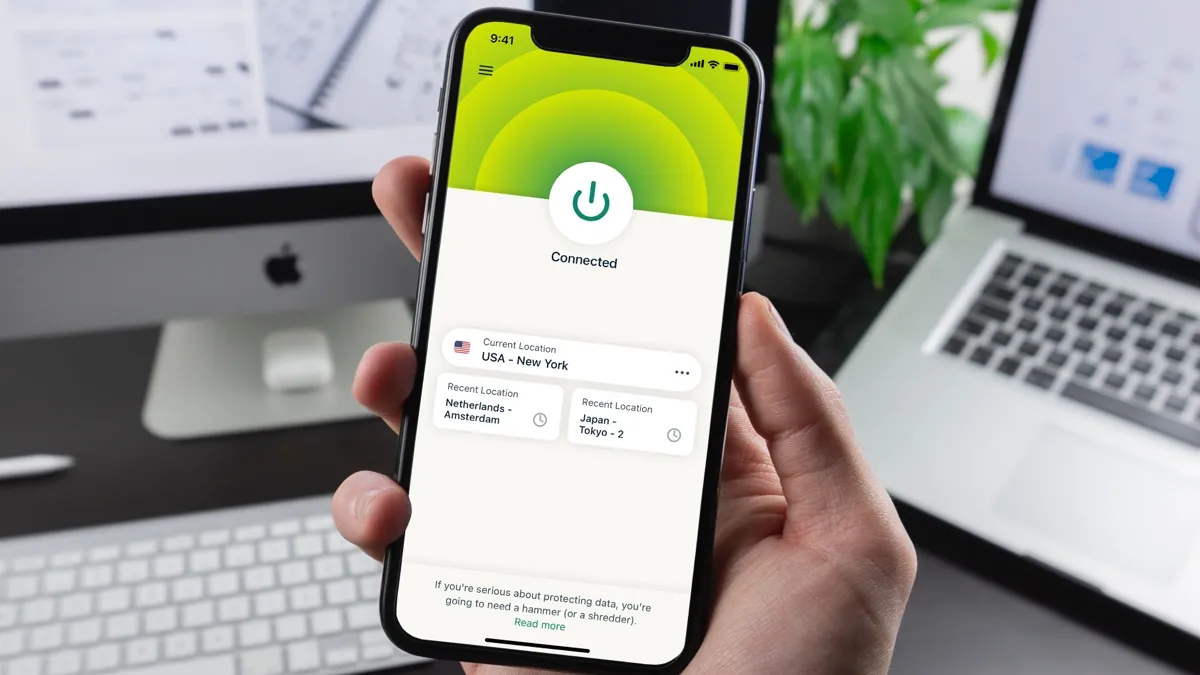
- ExpressVPN has introduced fixed pricing in GBP, EUR, and BRL currencies
- The provider is now testing fixed prices in CAD, AUD, JPY, SGD, and HKD
- The update paves the way for new regional payment options
For international users, subscribing to a top-tier service often comes with a hidden annoyance: currency conversion fees and fluctuating monthly bills. ExpressVPN is finally addressing this pain point by rolling out fixed local currency pricing for several major regions.
Historically, ExpressVPN has charged international customers in USD. While the base dollar amount remained static, the actual cost on a user's bank statement would wobble based on the daily strength of their local currency against the dollar.
Starting immediately, that uncertainty is gone for users in the United Kingdom, the Eurozone, and Brazil. Customers in these regions will now see fixed prices in Pounds (GBP), Euros (EUR), and Reals (BRL) respectively. The price displayed at checkout is now the exact final figure, regardless of how the global forex market behaves.
ExpressVPN describes the move as "the natural next step in our mission to make digital protection as accessible and straightforward as possible." By locking in these rates, the provider ensures that a subscription cost won't unexpectedly spike due to economic shifts, a welcome change for anyone managing a tight monthly budget.
Who gets local pricing?

The rollout is happening in phases. As of now, fixed pricing is fully live for the UK, Eurozone, and Brazil. However, ExpressVPN confirms it is "actively testing and launching" local currencies for several other major territories.
Users in Canada (CAD), Australia (AUD), Japan (JPY), Singapore (SGD), and Hong Kong (HKD) may already see local pricing appear at checkout. Additionally, the provider plans to launch currencies for New Zealand (NZD) and Switzerland (CHF) in the "coming weeks."
In a blog post announcing the change, the company stated: "Great digital privacy should be seamless. That applies to how our apps work, and it applies to how you pay for them."
"By offering fixed pricing, we ensure that the price you see on our site is exactly the price you pay, providing a consistent, localized experience from the moment you sign up."
A precursor to new payment methods
This shift isn't just about currency symbols; it’s about infrastructure. By localizing its billing systems, ExpressVPN is preparing to support region-specific payment methods that were previously difficult to implement under a USD-only model.
The company explicitly mentioned plans to roll out support for "Buy Now, Pay Later" (BNPL) services, such as Klarna, in select markets. This aligns with the provider's recent strategy to offer more flexibility, following the launch of its new tiered pricing structure last year.
Users can now choose between three plans, Basic, Advanced, and Pro. The Basic tier covers the core VPN service and trusted identity protection features. The Advanced plan adds an ad-blocker, the ExpressKeys password manager, and limited international eSIM data. The top-tier Pro plan includes a dedicated IP and expanded data removal services.
While the currency on the bill is changing, the product remains global. All plans continue to include the provider's strict no-logs policy and RAM-only TrustedServer technology. However, it is worth noting that the "Identity Defender" suite (including ID monitoring) remains available solely to users based in the US for the time being.
Current subscribers or new users in the supported regions can check the specific fixed rates by visiting the order page today.
Follow TechRadar on Google News and add us as a preferred source to get our expert news, reviews, and opinion in your feeds. Make sure to click the Follow button!