


- Tesla's FSD will soon cost $99 a month
- One-time payment option has been removed
- It means autonomous driving tech won’t be sold on with the car
Elon Musk took to X today to announce that Tesla’s (Supervised) Full Self-Driving software, which allows for high levels of autonomous driving in certain markets, would no longer be sold as a one-time purchase.
The technology, which requires unlocking as an optional extra when purchasing a vehicle, can no longer be added for an $8,000 /£6,800 / AU$10,100 one-off payment and will instead move to a monthly subscription package as of February 14.
Currently, Musk has only stated that the package will cost $99 a month, although pricing hasn’t been set for other regions just yet. We would expect it to cost in the region of £75-£99 in the UK and $149 in Australia.
Supervised Full Self-Driving has a long and tumultuous history of price changes, starting with free trials and then temptingly dangled for a $5,000 set fee back in 2019 that was supposed to last the life of the vehicle, moving with the customer.
During that time, the price has risen to an all-time high of $15,000 as the technology has improved, but the goalposts have almost continuously been moved when it comes to pricing strategy, despite Musk reiterating that the technology was an “investment in the future” as the company continued to implement updates.
Fast-forward to April 2024 and the rate of uptake for Supervised Full Self-Driving diminished, falling further in 2025 as the U.S. National Highway Traffic Safety Administration opened an investigation into 2.88 million Tesla vehicles equipped with its FSD system, based on over more than 50 reports of traffic-safety violations and a series of crashes, according to Reuters.
As a result, Tesla cut the price of FSD from $12,000 to an $8,000 one-off fee to buoy sales, also slashing the price of the monthly subscription cost to $99 from $199.
Analysis: Reality kicks in
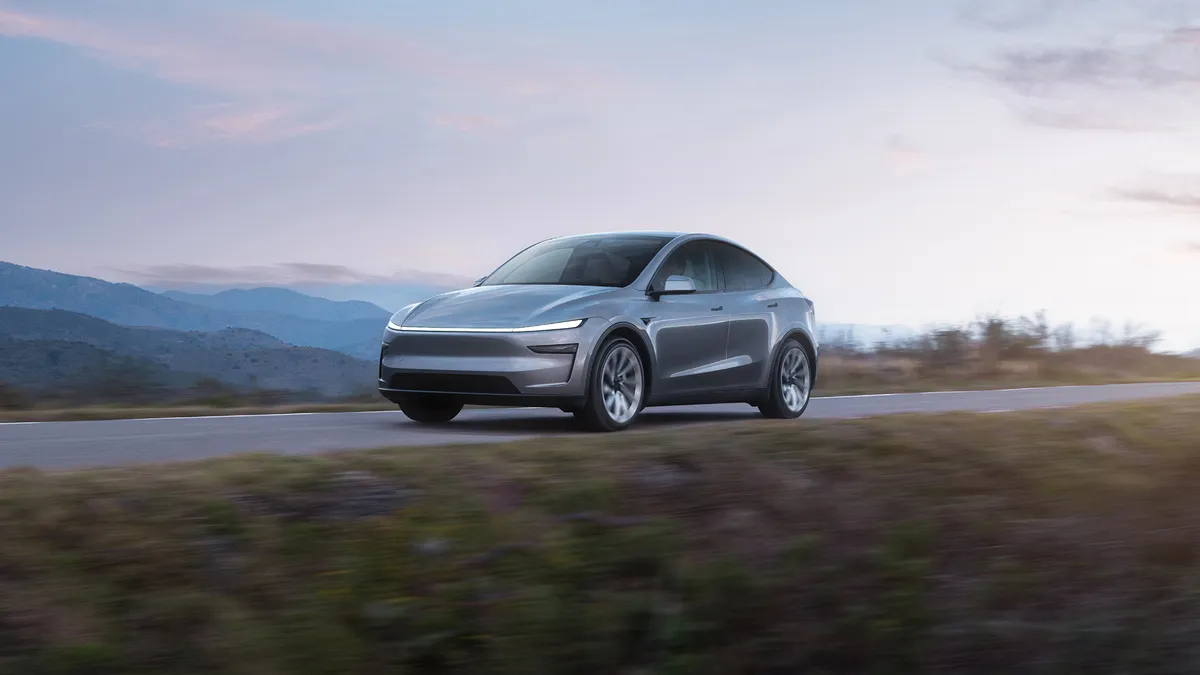
Elon Musk has long promised a future where Tesla customers theoretically become owners of a fully autonomous Robotaxi, where an everyday passenger car can go out and run errands, as well as earn an income as a ride-hailing service.
This future promise was part of the push to convince would-be punters to part with as much as $15,000 for what is currently a relatively standard Level 2 semi-autonomous cruise control system. "If you buy a Tesla today, I believe you are buying an appreciating asset – not a depreciating asset,” Musk famously said in 2019.
Either Tesla has finally admitted to this new reality, or the recently announced monthly pricing strategy has come about because such a small number of buyers have been willing to part with the extra cash up-front of late.
Moving it to a much easier-to-swallow subscription means the public will be paying a much fairer price over the life of their vehicle for a technology that many rival manufacturers now offer for free.
TechRadar will be extensively covering this year's CES, and will bring you all of the big announcements as they happen. Head over to our CES 2026 news page for the latest stories and our hands-on verdicts on everything from wireless TVs and foldable displays to new phones, laptops, smart home gadgets, and the latest in AI.
And don’t forget to follow us on TikTok and WhatsApp for the latest from the CES show floor!
