


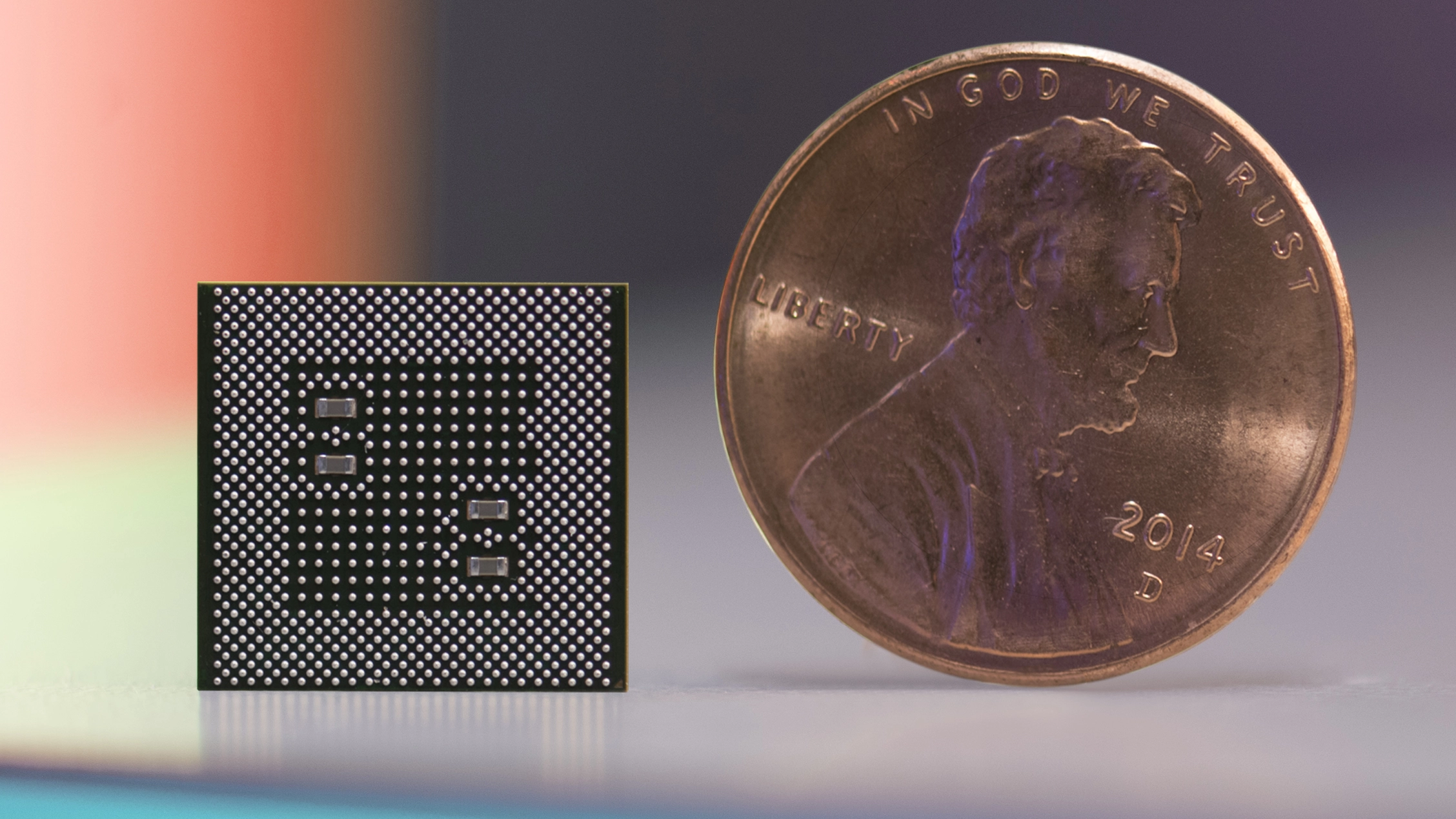
We now have a timeframe for the arrival of the first PC with an ARM processor running Windows 10, with the device expected to pitch up in the fourth quarter of 2017.
This will be the debut of what Microsoft has dubbed ‘mobile PCs’, and the initial offering is likely to be a tablet or hybrid (or perhaps an ultra-thin notebook) powered by the Snapdragon 835 system-on-a-chip (pictured above).
The launch timeframe was revealed by Steve Mollenkopf, the chief executive of Qualcomm (which makes the Snapdragon chips), who said in an earnings call this week: “Our Snapdragon 835 is expanding into Mobile PC designs running Windows 10, which are scheduled to launch in the fourth calendar quarter this year.”
Of course, the Snapdragon 835 is used in mobiles – like the Galaxy S8 – and eventually, we can expect to see smartphones running full-fat Windows 10 and heavyweight x86 Windows apps.
- In the meantime, these are the best Ultrabooks of the year
Power problems
Microsoft actually demonstrated Photoshop running on a Snapdragon 820 last year, but declared back then that only the Snapdragon 835 would have the power to pull off running Windows 10. As we speculated at the time, the power efficiency of the chip (i.e. without the portable device’s battery going flat way too quickly) would also play a key part.
At any rate, it’s an exciting development to see ARM chips emerge as an alternative to Intel and AMD processors when it comes to Windows 10 devices.
Fingers crossed that the emulation of x86 apps on Snapdragon chips runs as smoothly as it seemed to in Microsoft’s demos last year – because if they don’t get the implementation right, this whole thing is likely to be sunk.
Via: On MSFT
- Here are the best graphics cards for your not-so-portable desktop PC