


This week we saw the return of Anthropic’s Fable, and PlayStation set the gaming world ablaze by announcing the end of physical discs for its consoles in 2028.
To catch up on these two mega stories and several more scroll down to read our recaps of the biggest tech news stories from the past seven days. You’ll find links to the longer original stories under each entry if you need to know more — and for a longer look back at the last six months, you can also check out our guide to the best tech of 2026 so far.
Before you catch up with this week’s tech news, why not test yourself on last week’s seven biggest tech stories to see how good your memory is? Take the quiz below, or scroll on for the biggest tech news of the week...
7. Tidal hit back at AI-made music

Tired of music made by text-prompt infiltrating your recommended feeds? You're in fine company; it seems the tide is finally turning on AI-generated audio.
This week, in what must be hugely welcome news for recording artists (and their parents, landlords, loved ones, and just lovers of original musical works with human vocals and instruments) hi-res music streaming giant Tidal has drawn a line in the sand.
The platform published a new comprehensive AI policy with the strapline "Promoting Fairness and Economic Empowerment in the Era of AI-Generated Music". The key bit is that as well as working with what the platform told TechRadar is “an external partner to manage detection”, the site will also be excluding wholly AI-generated music from all royalty payments.
The news follows huge strides in this area made by Deezer, with its free AI-detection tool that works on any streaming platform, Bandcamp's strong and concise anti-AI stance set out in January, Qobuz’s announcement of a proprietary AI-detection system in February, Apple Music’s March-issue 'Transparency Tags' (which unfortunately rely on record labels and distributors to tag AI content), and Spotify's… er, Verified by Spotify badge, which certifies that an artist is human, but doesn't help filter the remaining AI slop from your playlists.
All of this makes Tidal's stance, while not before time, particularly firm.
6. Netflix got another hated account update

A handful of Netflix users have noticed a new in-app pop-up that requires each member in a shared account to add individual email addresses to their individual profiles, instead of using the account owner’s email address as the primary one. One of the most jarring parts about it is that the pop-up doesn’t clear unless the request is fulfilled.
Netflix households accounts have always been built on the traditional 'one email, one password’ foundation, but why Netflix has decided to roll out yet another crackdown is the question that everyone is asking.
Though Netflix says it’s to make room for more convenient log-ins and more personalized recommendations, users believe it will give the streaming giant another way to better distinguish between the activity of individual profiles, or even shift them to individual accounts later down the line.
Netflix said that the rollout began on June 15, we imagine a global rollout is in the way.
5. We ran with the Garmin Forerunner 70

We’ve taken this new Garmin running watch for a spin. While it offers some clear upgrades over the Forerunner 55 that came before it, these enhancements come at a cost ($249.99 / £219.99 / AU$399) which makes this gadget less budget or entry level and more mid-range.
The trouble isn’t with this smart watch specifically. In fact, with new training and smartwatch features, a vibrant AMOLED display, and with solid compatibility across Android and iOS the watch is pretty solid. What we’re concerned about with the Forerunner 70 is that at this price (or for only a handful of bucks more) you can snatch up watches from rival brands that boast richer features and newer hardware.
At four stars it’s definitely good, but if you’re after the best, or even simply the best at this price point, the Garmin Forerunner 70 might not be it.
- Read our full Garmin Forerunner 70 review
4. The Steam Machine sold out in Japan

The upcoming Valve gaming PC-console hybrid has launched and the reality is it’s a pretty terrible deal on the face of it — though that hasn’t stopped it from selling out in Japan, and from scalpers asking for ridiculous prices for their reservation spot (allowing people a better chance at snagging the device).
Instead of battling with preorder disappointment, or the high costs of the proper machine, some have looked to alternatives but you’ll need to be careful. For every Stim Machine which presents itself as a sensible alternative (with some admittable downsides) there’s a flurry of cheap alternatives propping online that are frankly too good to be true.
Boasting components that wouldn’t actually fit inside the pictured chassis, a combination of parts that wouldn’t function together, and the plethora of never before seen companies proposing Steam Machine alternatives at impossibly cheap rates hints that a majority of these options are likely some kind of scam.
3. Anthropic’s Fable 5 was allowed to release

Anthropic’s Fable 5, the public version of its Mythos model, is returning after the US government lifted export controls that had forced the company to suspend access to it, and Mythos 5, earlier in June. The models were pulled after officials raised national security concerns linked to a possible jailbreak, a method of bypassing an AI model’s safety restrictions.
Anthropic pushed back strongly, saying it believed the issue was “a misunderstanding” and arguing that it had not been shown evidence of a broad or universal jailbreak. The company said governments should be able to block unsafe AI deployments, but only through a process that is transparent, fair, clear, and grounded in technical facts.
The return of Fable 5 matters because it shows how frontier AI launches may increasingly be shaped by governments, not just tech companies. Powerful models can now be launched, restricted, negotiated over, and restored within weeks.
2. WhatsApp debuted usernames

WhatsApp has revolutionized its platform this week by introducing usernames — allowing you to build your contact information without sharing your phone number. They won’t take over completely for a while but folks are already reserving their username so that they’re ready for when the update goes live fully.
While many are fairly positive about the change, many fear this could increase the presence of cybercrime fraud and scams as bad actors reserve and use names that attempt to mimic politicians, celebrities, and businesses. This issue isn’t new to social media, but given the more direct nature of WhatsApp, and that businesses do use the platform to chat with customers, potential scams could have an easier time.
WhatsApp has hit back against this saying “only the legitimate account owners are able to reserve well-known public-figure names" however it’s unclear if, with enough imagination, people will find ways to reserve names that the Meta-owned platform hasn’t been able to account for.
1. PlayStation killed physical games
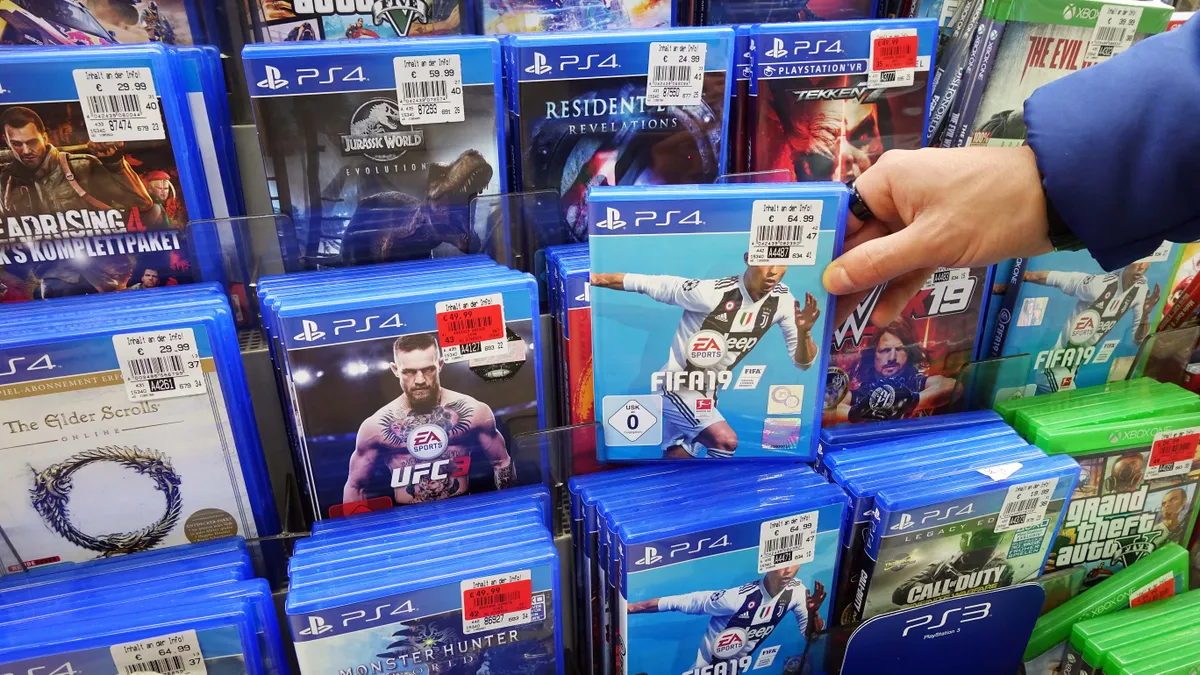
Just days after Grand Theft A 6 pre-orders opened with purely digital versions and code-in-a-box releases, PlayStation rocked the gaming world this week by announcing it is ending all releases of new PlayStation games on physical discs from January 2028. It also comes just days after Sony deleted select films from users' accounts that were bought digitally, and offered no compensation.
Claiming that the move “will enable us to align more closely with how most of our community prefers to access and play games today,” Sony looks to be reflecting recent statistics which show the vast majority of game purchases are indeed digital.
The move has not gone down well with fans, gamers, and the wider industry, as it likely paves the way for an all-digital future, and possibly a critical, maybe terminal blow to the second-hand game market, the ability to share games with others, and from a game preservation perspective
It also means that the PS6 will likely be all-digital by default — perhaps with an optional disc drive — and won’t release until 2028 at the earliest. With rumours that Xbox could follow suit with its next-generation console, the future looks increasingly digital, and game collectors such as ourselves are deeply worried and sad about it.

Follow TechRadar on Google News and add us as a preferred source to get our expert news, reviews, and opinion in your feeds.
