


The Formula 1 2026 season is more than just another set of 24 races. The king of motorsports has undergone one of the most dramatic regulation overhauls in its history, resulting in a new generation of cars, redesigned power units, and a far more complex approach to aerodynamics and energy management.
From lighter and narrower machines to a near 50-50 split between electric and combustion power, the sport is entering a completely new technical era. All in all, the main agenda behind introducing so much dynamic energy control and cutting down on the car’s length and width is to make racing more fun, and to make passing and defending more tactical – and more possible – rather than automatic.
More of that Charles Leclerc-like defense in COTA in 2025? Yes, please! Keep reading as we unpack the most important 2026 F1 rule changes, explained simply – without the heavy technical jargon.
And, if you're still working out your F1 live stream options, we have some hot tips on those, too.
- Stream all 24 F1 races for FREE on RTBF (Belgium) / RTL Zwee (Luxembourg) / ORF On & Servus TV (Austria)
- Traveling? Watch your local stream with NordVPN (save 74%)
Power unit
Arguably the biggest change with this new generation of F1 cars is their power units. As opposed to the earlier 80-20 split between the internal combustion engine (ICE) and the energy recovery system (ERS), these cars will now feature close to a 50-50 split between fuel and electric power.
Plus, given the fact that drivers can now harvest energy at more than four times the rate under the earlier rules, energy management is undoubtedly going to make or break a race.
Simply put, a lot of onus has now been put on the drivers, whose skill will be on full display. For example, unlike DRS, overtake mode is not free extra speed, as it deploys energy. So depending on where you are on the track, who is ahead of you, and what position you’re in, you could either be harvesting or deploying energy. It all depends on strategy and driver alertness.
But putting more focus on energy management isn’t the only thing the new power unit has changed. The stronger electric motor also means that the cars will be able to shoot out of corners more sharply. However, they are more likely to run out of electrical energy before the end of a straight.
This is what Max Verstappen meant when he said that the new formula is "anti-racing" and like "Formula E on steroids,” rather than going as fast as possible, which is what he believes the sport should be all about.

New aerodynamics
The 2026 generation of cars have bid goodbye to the long-standing Drag Reduction System (DRS) and introduced a more dynamic way of managing the car's aerodynamics and energy throughout a lap and the race. There are three modes now.
Straight Mode
It’s automatically enabled and is available on every lap to every driver. This is the one you might have seen in advertisements, wherein both the front and rear wings open up to allow air to flow through them and reduce drag and allow higher speed in designated high-speed sections on every lap.
Overtake Mode
This is a direct replacement for DRS. It’s only available to a driver when they’re within one second of the car ahead, and it releases extra battery power to allow, as the name suggests, an overtake. However, the huge difference compared to DRS is that there will be only one detection point per lap for overtake mode, and the driver will have the flexibility to use that extra power at any point – or small quantities in multiple points – during the lap.
Boost Mode
This is a driver-operated energy deployment tool that gives access to maximum combined power from both the engine and the battery. It’s available anywhere on the track and can be used for both defensive and attacking purposes.
Compact and nimble cars
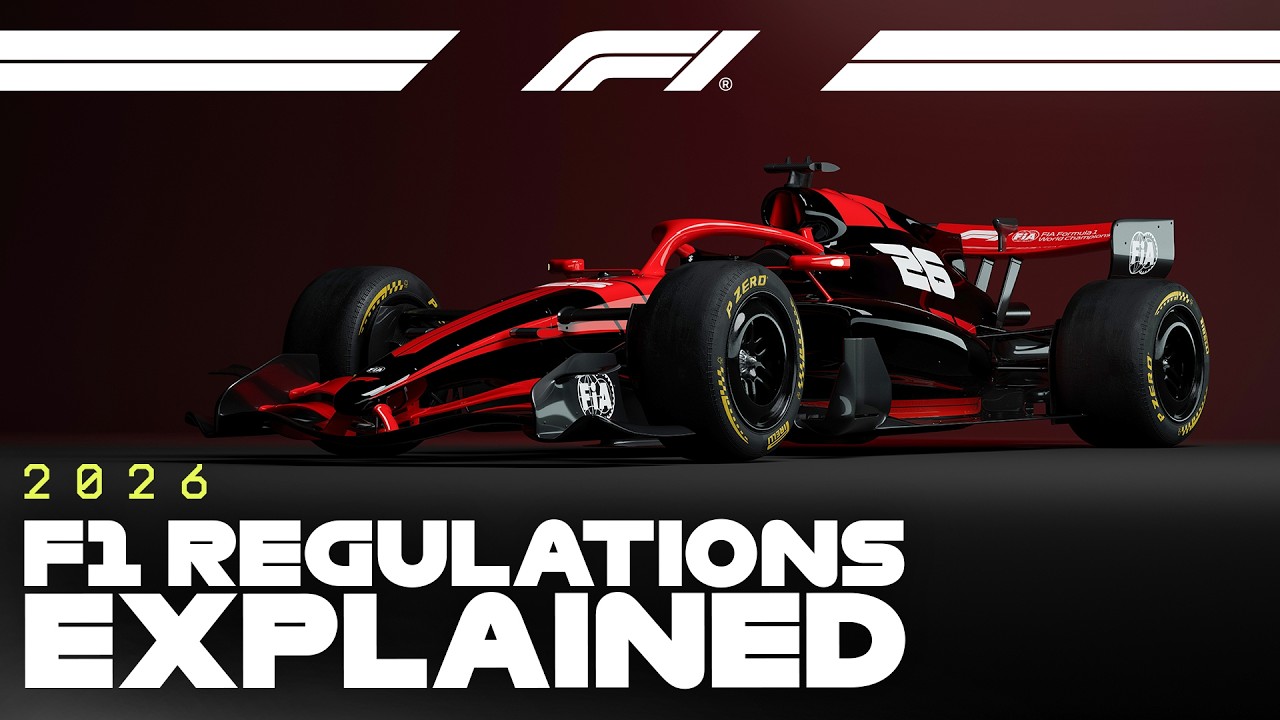
Not only are the cars lighter this time, thanks to a 30 kg reduction in the overall weight limit, but they’re also shorter and narrower. This addresses arguably one of the biggest complaints both drivers and viewers have had about F1 cars in recent years – that they’re too wide and rigid, making wheel-to-wheel racing difficult. This is especially noticeable on street circuits such as Monaco and Azerbaijan.
We’ve already had numerous drivers and experts say that we’re going to see overtaking in areas that have previously not been considered overtaking zones. Some of that is down to the nimbleness and compactness of the new generation of cars, which, by the way, also feature flatter floors and less downforce.
This allows for a more varied range of setups, which again brings a whole new playbook for strategists. Another factor that will aid better wheel-to-wheel racing is the new Pirelli tyres, which remain 18 inches but are narrower.
Sustainable fuel
We’ve mentioned the 50-50 split of the new power units, but why is the FIA making those changes? Because Formula 1 is keen on meeting its net carbon emission goal by 2030.
As a result, the 2026 cars will use a new type of fuel, which will be a combination of carbon capture – CO₂ taken directly from the air or industrial emissions – municipal waste, and non-food biomass.
Experts suggest that the fuel could admittedly become a point of difference between two cars. However, the exact amount of lap time a particular fuel is either offering or taking away is really hard to determine, with so many other factors at play.
- See more: F1 2026 season streaming guide
Key Formula 1 live streams around the world
Use a VPN to watch any Formula 1 2026 stream
This is handy piece of software that can make your device appear as if it's back in your home country, thereby letting you unlock your usual service. The best VPN right now? We recommend NordVPN – it does everything and comes with a 70% discount.

Using a VPN is incredibly simple:
1. Install the VPN of your choice. As we've said, NordVPN is our favourite.
2. Choose the location you wish to connect to in the VPN app. For instance, if you're visiting the US and want to view your usual UK service, you'd select a 'United Kingdom' server from the list.
3. Sit back and enjoy the action. Head to your usual local streaming service and watch F1 2026 live streams.
We test and review VPN services in the context of legal recreational uses. For example: 1. Accessing a service from another country (subject to the terms and conditions of that service). 2. Protecting your online security and strengthening your online privacy when abroad. We do not support or condone the illegal or malicious use of VPN services. Consuming pirated content that is paid-for is neither endorsed nor approved by Future Publishing.