



 Become a TechRadar Insider


TechRadar Verdict
HTC has put all the right bits in here, but I felt the same way with the One M9. However, the brand seems to have addressed the foibles and it's easy to get genuinely excited by the HTC 10.
Pros
- +
Amazing audio
- +
Great design
- +
Battery improved
Cons
- -
Camera not impressive
- -
Boomsound not great
- -
Slight bugs still in system
Why you can trust TechRadar We spend hours testing every product or service we review, so you can be sure you're buying the best. Find out more about how we test.
Update: The HTC 10 Android Nougat update has landed on the phone, plus there's been a price drop thanks to the arrival of the HTC U11.

The HTC 10 was a phone that's the product of years of learning, which is why the company created a phone that's big on design, strong on camera and brings a very user-friendly interface into the mix.
HTC's flagship phone from 2014, the One M8, was one of the greatest phones ever made and the HTC 10 is the product of a lot of key learnings from that era.


And the good news is the HTC 10 impresses, offering the right improvements to the design, battery and UI - although you'll need to read on to see if you agree that the interface is improved in the right ways.
- There's a new top dog in the HTC range: meet the HTC 11
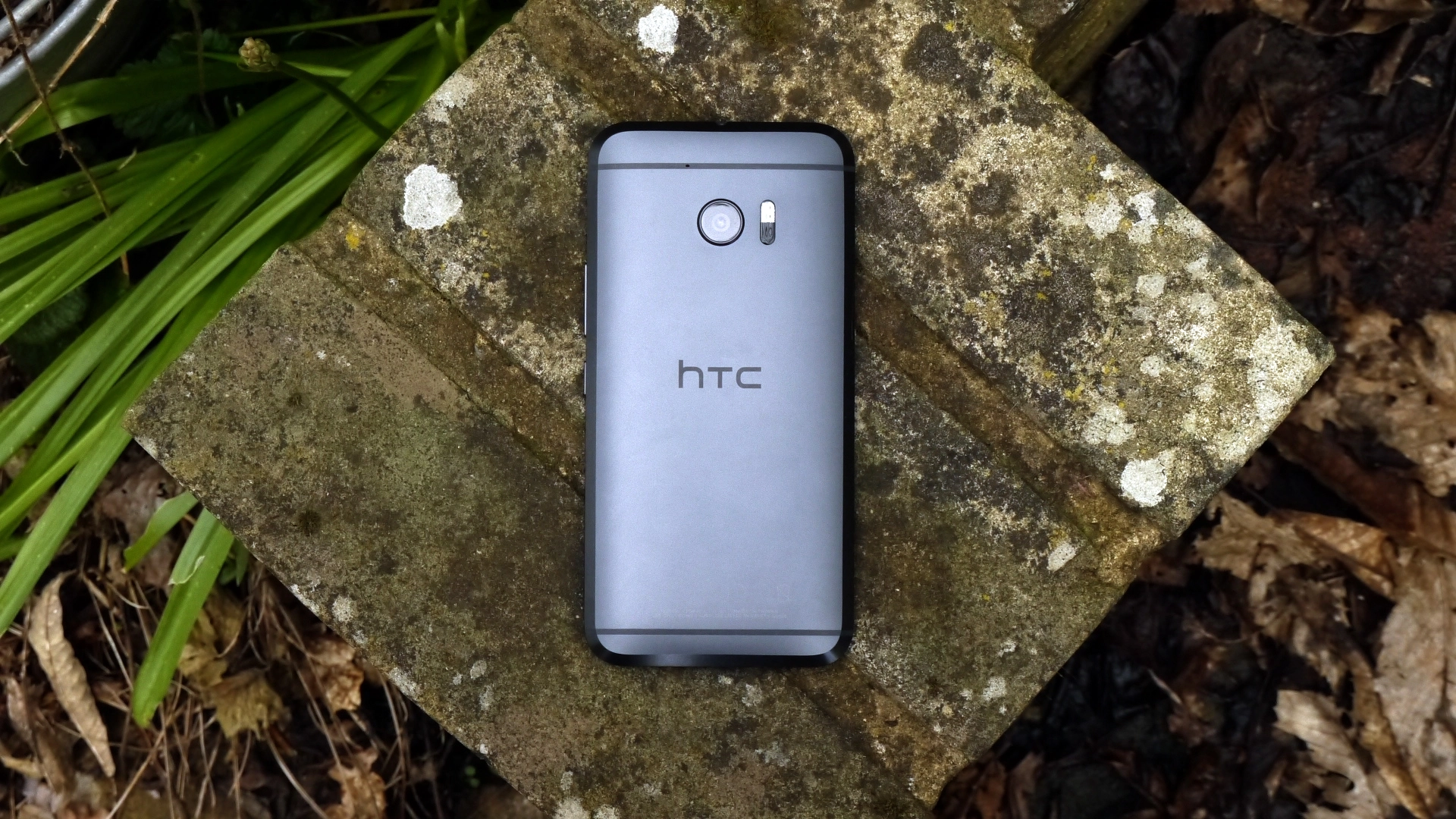
In terms of design, it's got an all-metal body, thankfully doesn't go down the same iPhone-a-like design as the One A9 from 2015, and doesn't just stuff in tech for the sake of having a higher spec.
HTC 10 price and release date
- Launched May 2016
- Initially cost £570 / $699, now £470 / $400

Weight: 161g
Dimensions: 145.9 x 71.9 x 9 mm
OS: Android 6
Screen size: 5.2-inch
Resolution: 1440x2560
CPU: Snapdragon 820
RAM: 4GB
Storage: 32/64GB (with microSD)
Battery: 3000mAh
Rear camera: 12MP
Front camera: 5MP
When it comes to price, the HTC 10 is now available for £470 / $400 / AU$1099, which is still a little on the expensive side for a phone that's been out for over a year.
It is, however, cheaper that its launch price of £500 / $599 / AU$1099, with the drop in price partly due to the arrival of its successor, the HTC U11.
To put that into perspective against its 2016 rivals, the superior Samsung Galaxy S7 and modular LG G5 are cheaper.
The price may have failed to drop as steeply as expected, but it stills gives a strong showing more than 12 months after launch.
Key features
- iPhone-like speed under the finger
- Massively improved sound recording quality
- New multi-directional speakers
- Excellent hi-res headphones in the box
- Strong build quality
One of the most irksome features of the HTC One M9 was… well, there weren't really any features to talk about. The same BoomSound speakers were back, firing audio forwards into your face, and the camera was just a 20MP effort that took some okay pictures; not terrible, but nothing you'd tell your friends about down the local watering hole.
In fact, it was just the design that made it worth checking out at all, that combined with HTC's special sauce.
With the HTC 10, thankfully, there's a lot more to talk about, starting with the efforts made to improve how the phone feels to use. It's got a much lower latency compared to the earlier models, which means the response under the finger is a lot more impressive.
In fact, the constant chat in our briefing about the phone was about 'tuning', that HTC had gone further than any other brand in making the HTC 10 a phone that will impress the second you glide a finger across the screen.

The screen is also upgraded from the previous model, using Super LCD 5 and boosting the pixel count to QHD resolution, offering 564 pixels per inch, to push up the sharpness significantly.
The camera is dropped in terms of the megapixel count, down to 12MP with a 4:3 resolution (sound at all similar to any other top-end phones on the market?).
HTC tells me this is something actually requested by photographers, and given the brand has put such a big effort into making the camera as good as it could be, it's believable that HTC would listen to such advice.
The 10 has also been given a DxO Mark of 88, which HTC was talking up at launch, but this isn't something the consumer should read too much into - it's more a reflection of potential rather than the photos you'll snap.
The camera, which supposedly has blink-and-you'll-miss-it autofocus thanks to the second-generation laser autofocus on offer, also comes with 4K video recording combined with 24-bit sound, so you'll get professional-grade videos when you're out at a gig and completely missing the chance to enjoy the artist you paid so much to see.

Talking of the audio, that's the other area HTC's been putting a big effort into. The two front-facing speakers, which looked so iconic on the front of the recent One range, are gone, with two speakers now firing out the high end and bass tones separately.
They also point in different directions using separate amplifiers working in concert to give amazing sound without headphones... or so HTC claims (spoiler alert: they don't).
The headphone element is important though, as HTC has taken the bold step of not only making the HTC 10 Hi-Res Audio Certified, but has also bundled in some high-end headphones with the handset, so everyone has access to the improved tones.
These aren't cheap to make, so it's good to see HTC taking a hit on its margins to give something back to its users. You seeing this, Tim?
And a special word for the interface, which HTC is bragging quite heavily about – and it's anything but heavy. The brand has worked with Google to 'reboot Android' and make something cleaner, more easy to use and upgrade, ridding the phone of pointless duplicated apps in the process.
The aim is for the project to eventually find something that all brands will use, leading to an end of the skins that sit atop LG, Samsung and Sony phones despite them all using the same base software. Will that happen? Would it be a good thing for HTC? Who knows – but it's good that someone's trying.
