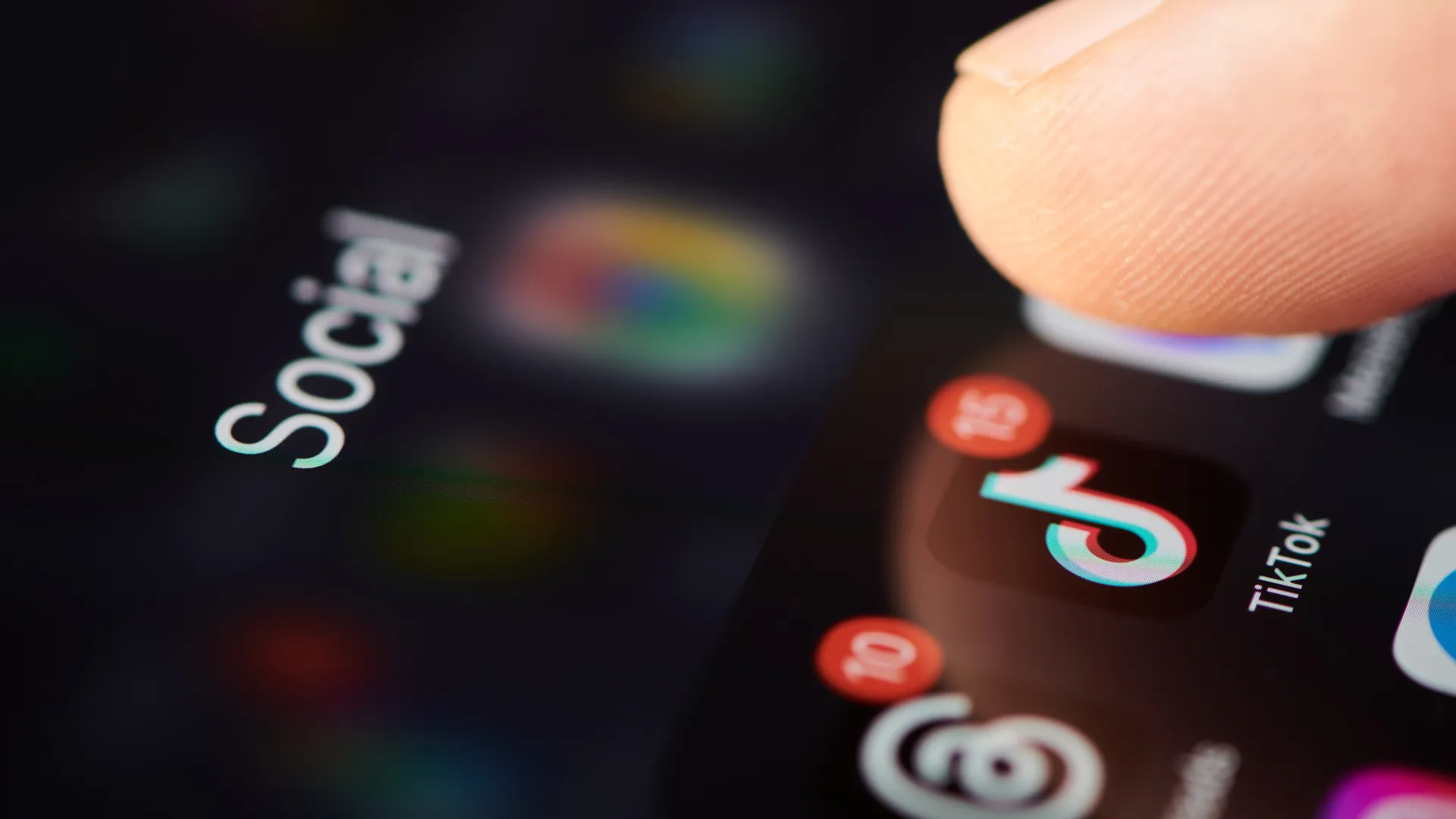
As the concept of "digital sovereignty" takes hold globally, an increasing number of countries are implementing blocks on major communication platforms like TikTok, X, and WhatsApp.
For governments, controlling these apps is a way to manage the flow of information; for citizens and visitors, it represents a massive digital roadblock.
In high-surveillance zones, the reality is even starker. State-run Internet Service Providers (ISPs) actively monitor public networks to track user sentiment and analyze app traffic, meaning every unencrypted message or search query can potentially be intercepted by local authorities.
For travelers and remote workers, unrestricted internet access is needed to communicate with family back home, manage finances, and find essential local information.
Finding the best VPN is no longer just a workaround to watch your favorite Netflix shows abroad; it is a critical safety tool.
What you need to protect yourself against social media blocks
Simply downloading a basic virtual private network is no longer enough. Advanced government firewalls can now easily detect standard VPN traffic signatures. If the firewall sees that you are using a VPN, it will instantly throttle or block your connection.
To overcome this, you need a provider that offers "obfuscation." This technology scrambles your VPN data, stripping away its recognizable signature so it looks like standard, unblocked HTTPS web traffic to anyone snooping on the network.
However, you should be aware of the technological limits. While a premium VPN can perfectly bypass regional IP blocks, it cannot circumvent social media access if the platform itself mandates local ID or phone number verification to create an account.
In these extreme censorship environments, decentralized networks like Tor offer a basic, highly anonymous alternative for text-based communication. Just keep in mind that the Tor network is notoriously slow, making it practically useless for media-heavy apps.
What to look for in an effective VPN
When operating in monitored regions, your digital toolkit needs specific technical safeguards.
Chief among these is a kill switch. This is a non-negotiable feature that immediately cuts your device's internet traffic if the VPN connection drops, preventing your actual IP address and data from being exposed to local ISPs.
If anonymity is your primary concern, look into a Double VPN (or multi-hop) feature. This passes your traffic through two separate encrypted servers (for example, routing your data through London and then New York) to maximize privacy.
Be warned, however, that encrypting your data twice will heavily degrade your connection speeds.
We are also seeing a massive shift in how travelers connect upon arrival. NordVPN’s Saily eSIM integration and ExpressVPN's Holiday.com offer with Pro plans now provide encrypted cellular data the second your plane touches down.
While incredibly convenient, budget-conscious travelers should note that pairing a standalone travel eSIM with a separate, independent VPN subscription often yields lower total costs.
Whatever route you choose, remember the golden rule of digital travel: download and install all your VPN software prior to departure. Once you cross the border into a high-surveillance zone, provider websites are almost always the first things blocked.
Staying safe in 2026
Maintaining privacy and communication requires serious preparation before entering heavily monitored regions. You must constantly balance the use of powerful tech tools with a clear understanding of your host country's local regulations.
To make sure your devices are fully prepared, be sure to check out our comprehensive Best VPN guide, and read our updated 2026 NordVPN vs ExpressVPN showdown to see which provider fits your travel itinerary.