


Fitbit has always been about making health and fitness tracking feel easy. Put one on your wrist and Fitbit does the legwork, keeping tabs on your activity, sleep and health in the background so you can see what your everyday habits are actually adding up to. The real question is, which Fitbit should you buy?
Google’s acquisition of Fitbit in 2021 has seen the brand become increasingly tied into Google’s wider wearable range, particularly through the Pixel Watch. At the same time, Fitbit-branded launches have become less frequent, so choosing between the models still available isn’t quite as straightforward as simply buying the newest one.
The Fitbit Air has brought the focus back to one of Fitbit’s original strengths: discreet, screen-free tracking that quietly tracks your health and activity. There are also signs that Fitbit isn’t finished yet, with a recent leak pointing to another device potentially joining the range. It’s too early to say where it will fit, but we’ll keep this guide updated as more becomes clear.
We’ve tested Fitbit devices for workouts, sleep, and everyday use, focusing on what matters most when you actually live with one. That includes tracking, battery life, comfort and the Google Health app, as well as how each model compares to its competitors. Whether you want something simple to wear all day or a more capable smartwatch, this guide should help you find the Fitbit that makes the most sense for you.
Fitbit may have another tracker on the way: A recent leak suggests Google could be preparing a new Fitbit device. Details are still thin, and there's no guarantee it will launch as shown, but it's worth keeping an eye on if you're considering one of the older Fitbit models in this guide. We'll update this page if and when Google confirms anything.

Our Fitness Editor Matt Evans has been writing about fitness and health tech online for years, which means he knows what to expect from a good fitness tracker: the information it can provide about your health and activity levels, how that info is presented, and how useful it is during your everyday life.
Best Fitbit overall


The Fitbit Air feels like the clearest expression of what Fitbit is supposed to be in 2026. Rather than trying to compete with full-featured smartwatches, it's a lightweight, screen-free tracker that focuses on the things most people actually care about: activity, sleep and health tracking.
During testing, we found the Air impressively accurate for such a simple device. Worn alongside the Apple Watch Ultra 3, its heart rate and sleep-tracking data closely aligned with Apple's flagship smartwatch, giving us confidence in the health insights it provides. At just 12g, it's also one of the most comfortable wearables we've tested, to the point where our fitness and health editor Matt often forgot he was wearing it, even overnight.
The Air won't replace a running watch or a smartwatch. There's no built-in GPS, no app store and no advanced training metrics. However, that's also part of its appeal. It strips away the complexity, distractions and extra cost that come with many modern wearables, while still delivering the core health and fitness tracking Fitbit is known for. Its battery life exceeded Google's seven-day claim in our testing, and unlike rivals such as Whoop, you don't need an ongoing subscription to get good value from it.
If you're a serious runner, buy the Charge 6. If you want a smartwatch, buy the Pixel Watch 4. But for most people who simply want an affordable, comfortable tracker they can wear day and night, the Fitbit Air is the Fitbit we'd recommend first.
Read our full Google Fitbit Air review
Best budget Fitbit
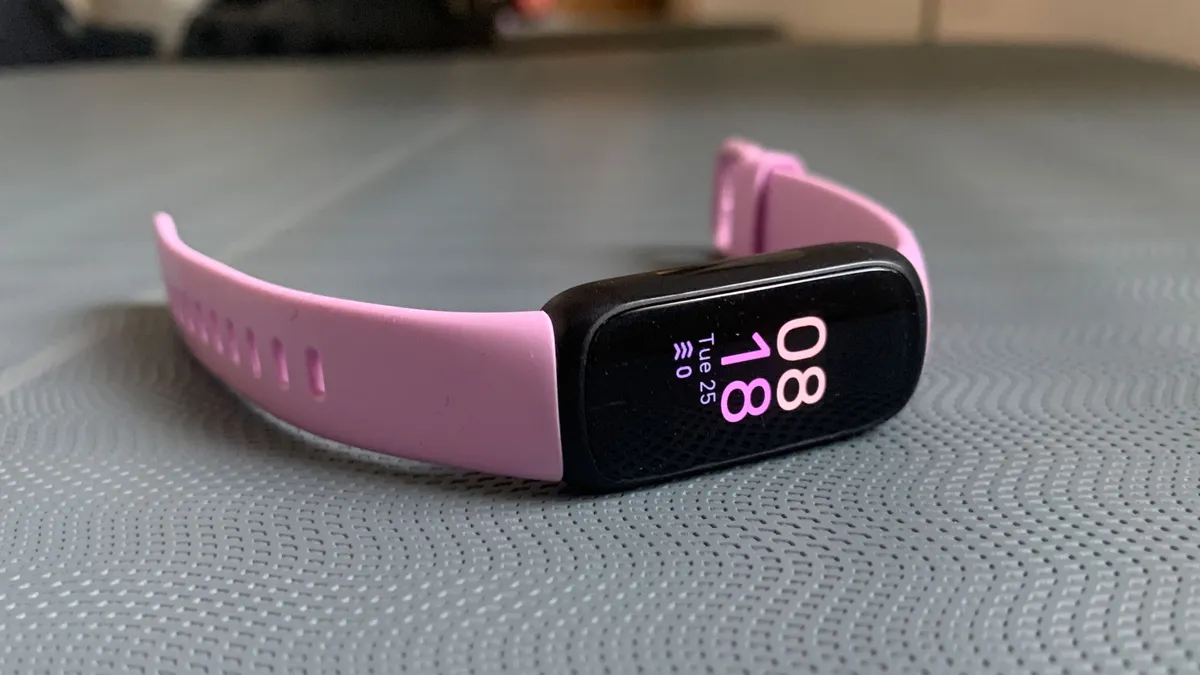
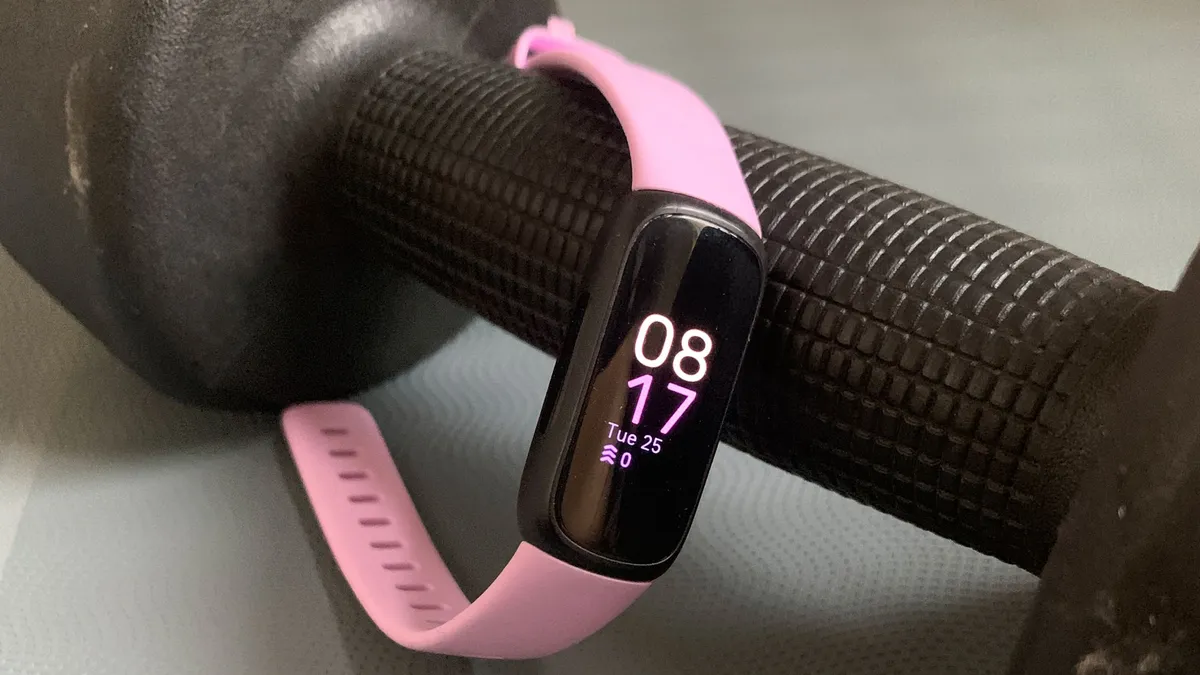


The Fitbit Inspire 3 has a revamped design featuring a wider and longer main unit and a better-fitting silicone band. And while it features a color AMOLED display – a first for the Inspire range – our testing found that it boasts the same impressive battery life; even if you're using the always-on display, the tracker will last for around 10 days.
We loved its impressive suite of health-tracking features, including 24/7 heart rate monitoring and sleep tracking, which are combined to provide an analysis of your Daily Readiness and Stress Management. It'll also remind you to get up and walk around for a bit if you haven't done so in a while, and if you're having a stressful day, you can also try and relax with the 2-minute guided breathing feature.
We also loved its new Sp02 monitoring, which tracks oxygen levels in your blood and can alert you if it drops below a certain threshold, such as 90%, potentially a warning sign of hypoxia, and can aid in sleep and recovery tracking. Most full fitness smartwatches carry this sensor, so it's nice to see it finally make its way to the slender Inspire range.
Read our full Fitbit Inspire 3 review
Best Fitbit smartwatch


The Google Pixel Watch 4 is a sleek and stylish smartwatch that offers a premium experience for Android users. Its polished pebble design and comfortable fit make it a pleasure to wear, and in our testing we found that the larger, domed display allows for a more immersive experience.
Powered by a snappy processor, the Pixel Watch 4 handles tasks with ease, from tracking workouts to running apps. The battery life is much improved from the Pixel Watch 3, and it comes in two sizes again. It's also repairable, a first for a modern smartwatch, so you can replace the battery or display if there's a problem. Much more eco-friendly than trading in back in for a new sealed unit!
One of the standout features of the Pixel Watch 4 is its integration with Fitbit. This allows users to take advantage of a wide range of health and fitness tracking features, including heart rate monitoring, sleep tracking, and more. Its impressive array of Fitbit-powered health features, including the new AI health coach is one of the reasons it scored so highly in our review.
The Pixel Watch 4 is a well-rounded smartwatch that offers a combination of style, functionality, and performance, with fast charging (it's also got a great charger design), maps, WearOS third-party apps and everything that makes a modern smartwatch great.
Read our full Google Pixel Watch 4 review
Best Fitbit for sleep tracking
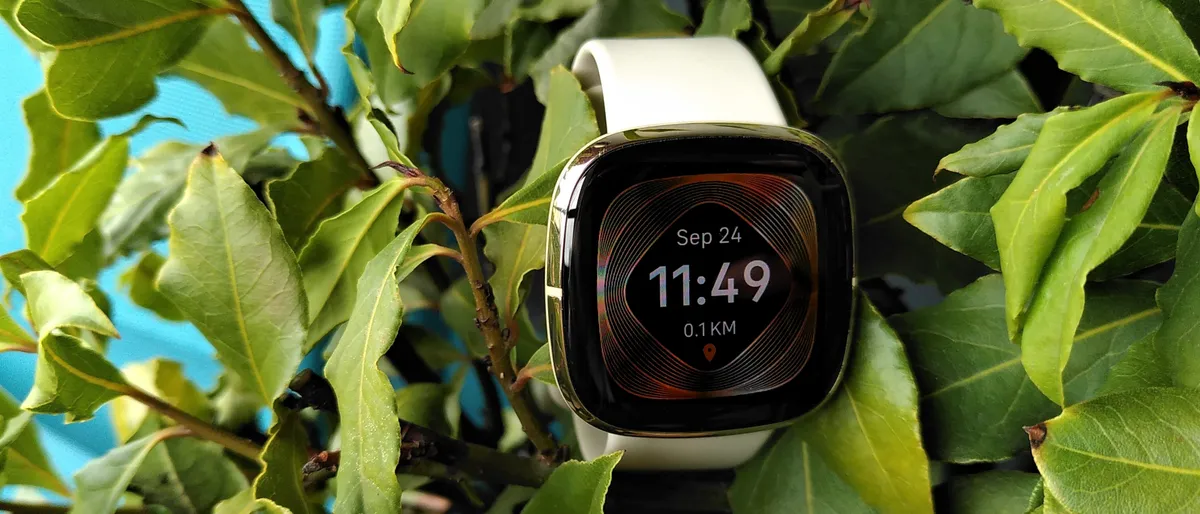
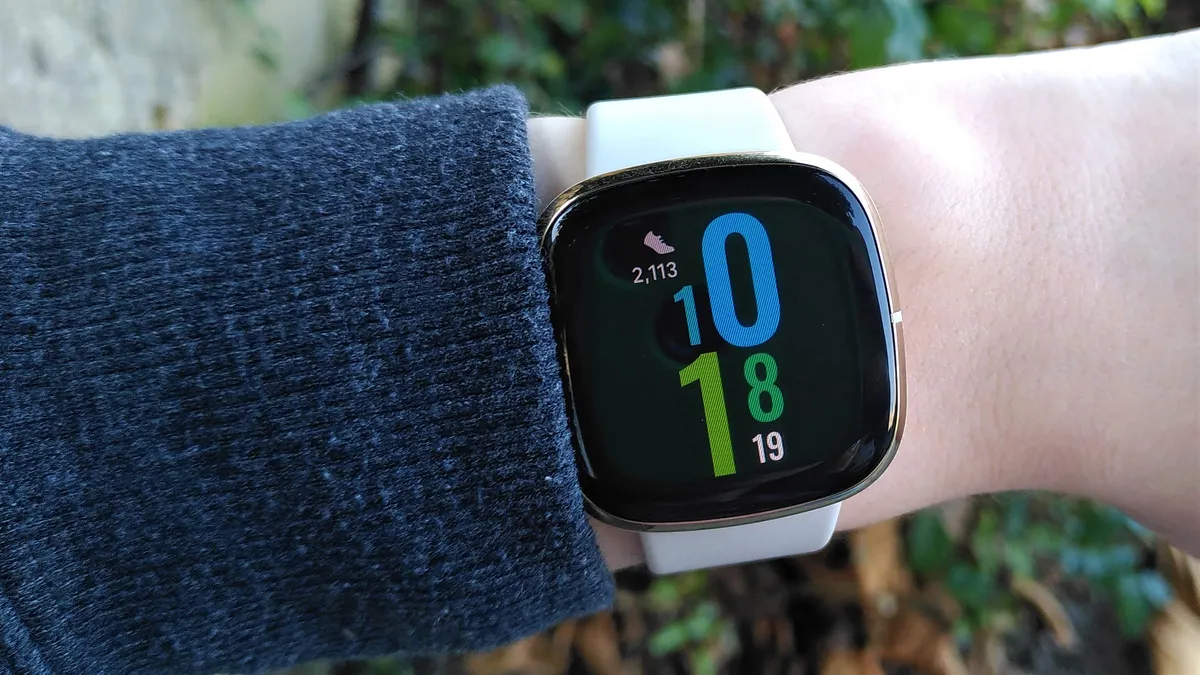
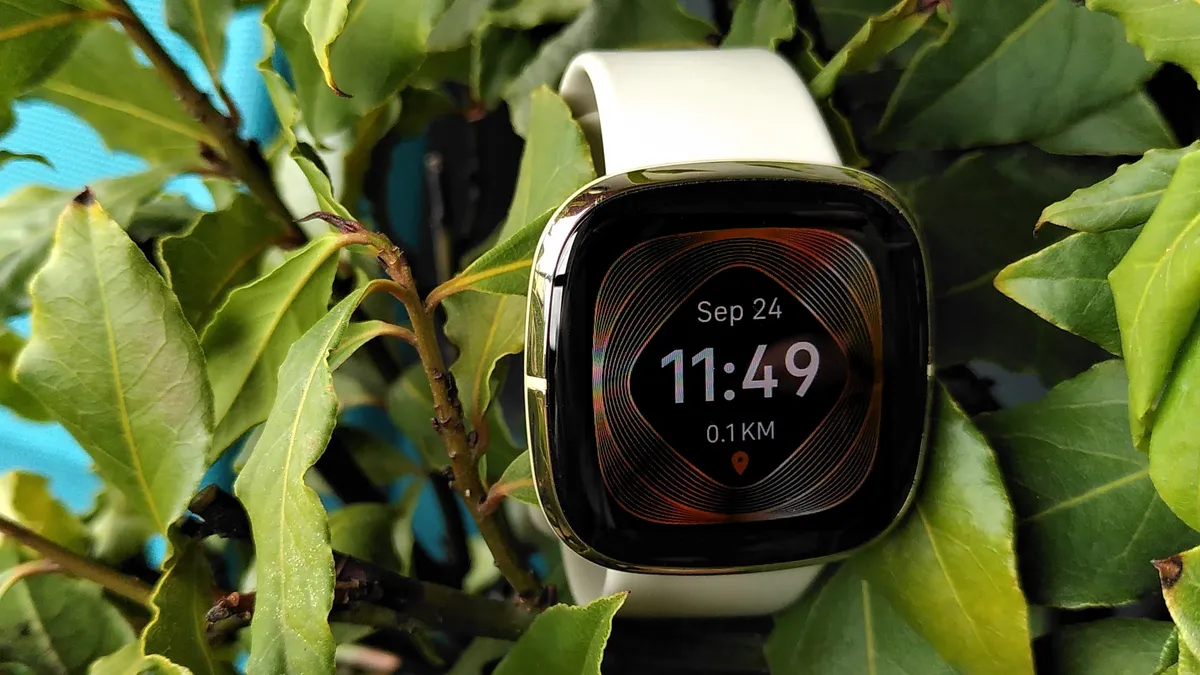


The Fitbit Sense is a super advanced watch that can track your stress levels by measuring the conductivity of your skin (basically, changes in conductivity are a sign of adrenal activity, which means stress). This data syncs with the Fitbit app, where you can also record your mood and any factors that might have influenced how you feel so you can look for patterns.
The Sense is an excellent sports watch as well, with a huge range of activity-tracking options. You can configure your favorite workouts, so they appear as quick shortcuts when you press the touch-sensitive button on the left-hand side of the Sense's case, and there's on-board GPS to map runs, walks, and bike rides. It's a great-looking watch with an almost identical design to the Fitbit Versa 3. The soft silicone strap makes it extremely comfortable to wear, even at night.
Our only complaint is that the step tracking was a little inconsistent during our testing, recording steps even though we told the device we were taking part in a cycling activity. Otherwise, the Fitbit Sense is a superb watch that's easy to recommend. If you're looking for a device that offers similar features in a more compact package, the Fitbit Charge 5 also includes the same stress-tracking sensor.
Read our full Fitbit Sense review
Best Fitbit for sport


The Fitbit Charge 6 takes many of the best features from all of the company's other devices and rolls them into one sporty package. You get onboard GPS for tracking runs, walks and bike rides without carrying your phone; an EDA (electrodermal activity) sensor to measure changes in stress levels, an ECG app, and (like the Fitbit Luxe) a bright AMOLED display that makes it a pleasure to use.
An updated HR sensor makes it far more accurate during vigorous exercise like HIIT, and YouTube Music controls have been added. Google Wallet replaces Fitbit Pay.
The Charge 6 is a fitness tracker built for people who are starting to take their workouts seriously but aren't ready to invest in a dedicated running watch or swimming watch. There's a great range of tracking modes (you can select your five favorites for quick access), although heart rate monitoring was found to be accurate enough for an estimation, but not pinpoint.
Unlike the Fitbit Charge 4, the Charge 6 doesn't let you control your Spotify playlist or other music from your wrist, only YouTube Music. It's a slight downgrade from the Charge 5, but still a good choice for a sportier, performance-focused tracker for more advanced athletes.
Read our full Fitbit Charge 6 review
Best Fitbit for beginners
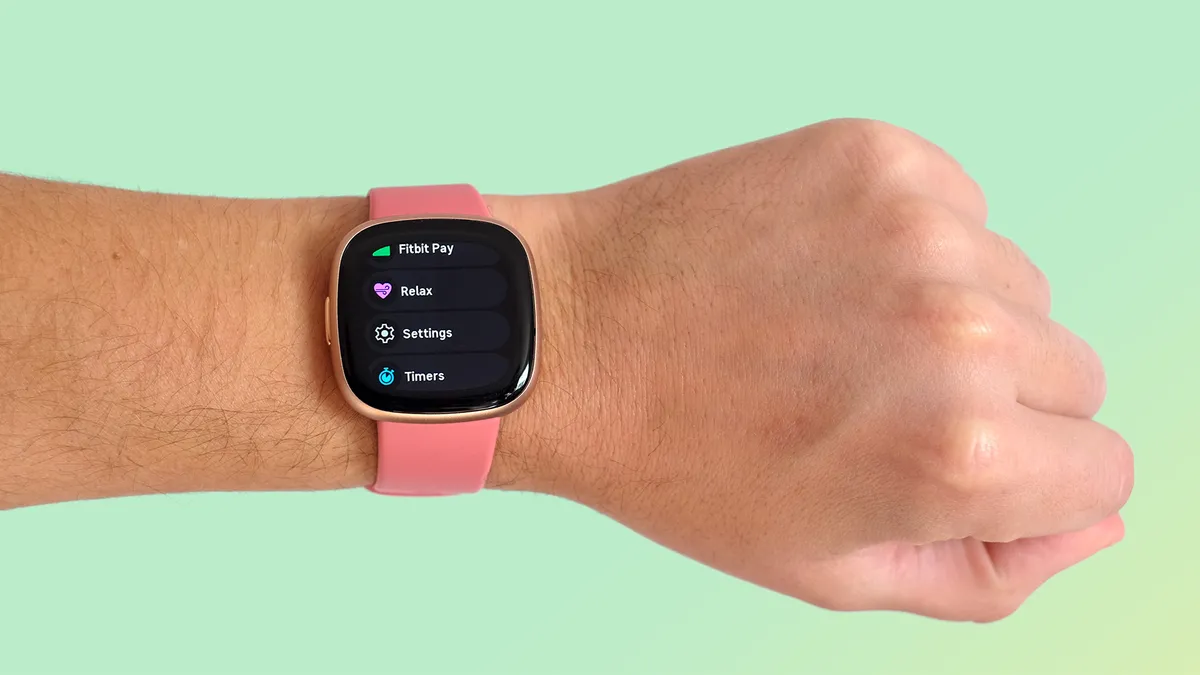

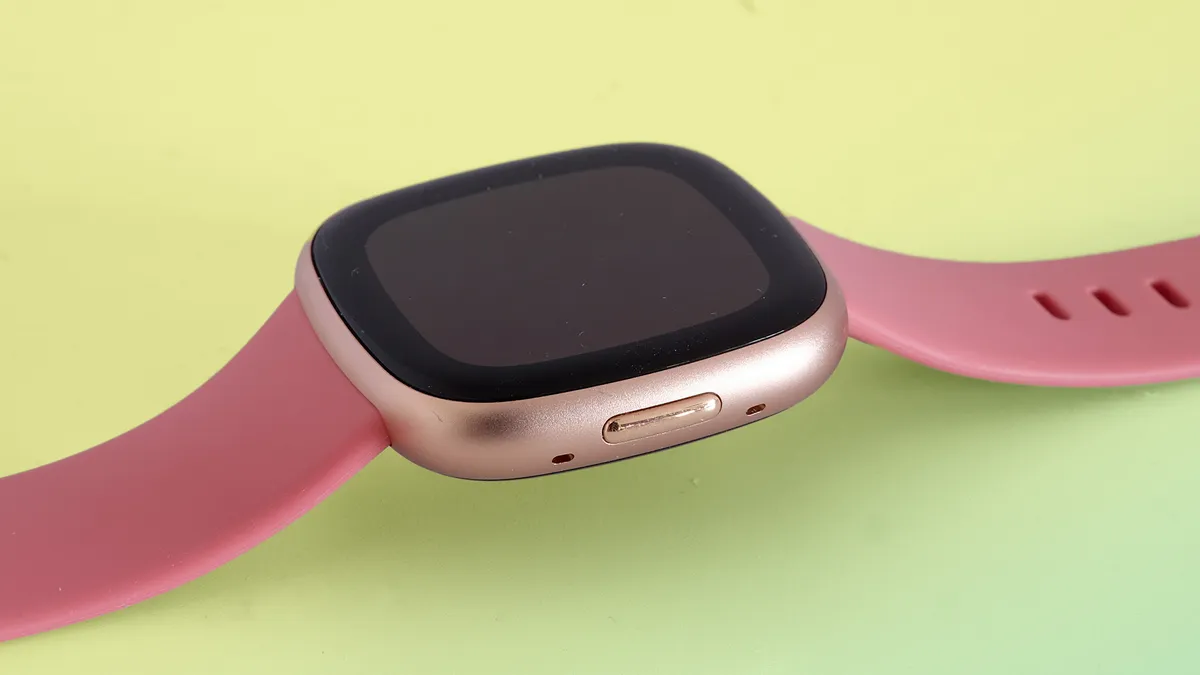


The Fitbit Versa 4 is a straightforward, easy-to-live-with smartwatch that’s best suited to everyday use rather than advanced training or feature-heavy smartwatches. It keeps things simple by skipping third-party apps, advanced health tools like ECG, and complex smartwatch features, instead focusing on the basics such as activity tracking, sleep monitoring and notifications.
During testing, we found it’s one of the most comfortable Fitbits to wear day to day, with a lightweight design and a clear, bright OLED display that makes stats and notifications easy to check at a glance. It also borrows a cleaner interface layout inspired by the Pixel Watch, which helps make its limited smart features feel more polished and approachable.
Battery life is another strong point, lasting around a week with light use, or closer to 2–3 days with the always-on display enabled. That makes it far less demanding than a typical smartwatch and easier to integrate into a daily routine without constant charging.
It doesn’t have the depth of fitness tracking or app support of higher-end smartwatches, and it’s not designed for serious runners or data-heavy training. But for general daily tracking, step counting, sleep monitoring and notifications, the Versa 4 is a comfortable, uncomplicated option.
Read our full Fitbit Versa 4 review
How to choose the best Fitbit for you
Fitbit's lineup isn't huge, but the devices do cater to slightly different types of users. The first thing to decide is whether you want a simple tracker that quietly logs your activity, sleep and health metrics in the background, or a smartwatch that puts all that information, plus apps and notifications, front and centre on your wrist.
Next, think about the features you'll actually use. If you're training for a race, tackling long hikes or simply like poring over workout stats, a model with built-in GPS such as the Fitbit Charge 6 is worth considering. If you'd rather wear something you can almost forget about until it's time to check your stats, the Google Fitbit Air takes a more stripped-back approach. Both offer heart-health features including ECG readings and irregular heart rhythm notifications, but the Air's screen-free design makes it particularly comfortable for around-the-clock wear.
Of course, price matters too. One of Fitbit's biggest strengths is that its devices remain refreshingly affordable in a wearable market that increasingly expects you to spend big money.
How we test Fitbits
We put all Fitbit devices to the test in real-world conditions so you know exactly what to expect when making your choice. That way, we can tell you exactly how each one feels to use, how well they perform, and the data you can expect to receive each day. So, who better to help you find the best wrist-mounted fitness devices the brand has to offer on the market.
We wear each Fitbit day and night to obtain a full set of data and monitor how long the battery lasts in typical use on a full charge. We put each Fitbit to the test during a variety of indoor and outdoor workouts, comparing its heart rate and GPS measurements to those gathered by a high-end sports watch, and comparing the nightly sleep stats to those collected by a dedicated sleep tracker.
For example, when reviewing the Google Fitbit Air, our fitness editor wore the tracker continuously for eight days, including during workouts, sleep and everyday wear. He also compared its heart rate and sleep-tracking data against the Apple Watch Ultra 3.
Finally, we compare each watch to the model that preceded it, and others in Fitbit's current line to help you make the best decision.
FAQs
Is a Fitbit or Garmin better for me?
Fitbit is usually the better fit if you want an easy way to keep an eye on your everyday activity, sleep and general health. Garmin makes more sense if you want to get deeper into exercise data, routes or training plans. That being said, Garmin isn’t only for serious athletes, with plenty of simpler options for casual walkers and gym-goers too. If that sounds more like you, take a look at our guide to the best Garmin watches.
The difference is really one of emphasis. Fitbit trackers are generally light, comfortable and straightforward to use, while the Fitbit Charge 6 adds built-in GPS for phone-free runs, rides and walks. Garmin’s sportier models offer more detailed training and navigation tools. Think about whether you would rather have simple, useful trends or lots of performance data to explore.
Should I buy a Fitbit tracker or a Google Pixel Watch?
Buy a Fitbit tracker if you want something light and uncomplicated that quietly tracks your health, sleep and activity; buy a Google Pixel Watch if you also want apps, maps, calls and more from your wrist. A tracker is the better choice if you mainly want to put it on, get on with your day and check your stats when you feel like it.
The guide’s Fitbit Air is a screen-free, 12g option for unobtrusive day-and-night wear, while the Charge 6 adds GPS and more exercise tools. The Pixel Watch 4 is more like a small Android phone companion, with Wear OS apps and a larger display, but it needs charging more often than a typical tracker and doesn't work with iPhones.
Which Fitbit is best for sleep tracking?
The Fitbit Sense is our top pick for sleep tracking, particularly if you want detailed sleep insights alongside broader health and stress tracking. Its soft silicone strap is comfortable enough to wear overnight, while the Fitbit app brings your sleep, activity and other health data together in one place.
The most important thing is choosing a tracker you’ll genuinely be happy to wear in bed. Sleep trends are only useful when you wear your tracker consistently, and Fitbit’s sleep scores should be treated as a helpful guide to your patterns, rather than a medical diagnosis.
Is Fitbit Premium worth it?
Fitbit Premium can be useful, but it’s definitely not something you need to get the most out of a Fitbit. You can track your steps, sleep and everyday activity in the Fitbit app without paying extra, so there’s no need to mentally add a subscription to the price tag when you’re choosing a tracker.
Where Premium earns its keep is with the extras: more detailed insights, guided workouts, mindfulness content and a bit more hand-holding when you’re trying to make sense of all those numbers. If you like having a plan to follow or need a little nudge to stay motivated, it could be worthwhile. If you just want to check how many steps you’ve done and whether you slept terribly last night, you can probably save your money.
If your Fitbit comes with a trial, give it a proper go before paying. You’ll quickly find out whether you actually use the Premium features or just enjoy having them there.
Do Fitbits work with iPhones?
Yes. Most Fitbit trackers work with iPhones, so if you’re an iPhone user, you can happily choose a Fitbit such as the Charge 6, Inspire 3 or Fitbit Air and manage your data through the Fitbit app.
The slightly confusing bit is the Google Pixel Watch. It has Fitbit health and fitness features, but it’s an Android smartwatch and cannot be paired with an iPhone. So if you have an iPhone, stick with a Fitbit tracker rather than a Pixel Watch.
Compatibility does vary by model and iOS version, so it’s worth checking the requirements before you buy. For example, the Charge 6 works with most iPhones running iOS 16.4 or later. Better to check now than discover your shiny new tracker and phone aren't on speaking terms.
Are Fitbits waterproof for swimming?
Many Fitbits are water-resistant enough for swimming, but “waterproof” is not quite the right word because there are limits. A 5 ATM rating, for example, means the device has passed a standard water-pressure test equivalent to 50 metres. It is suitable for swimming on models that carry that rating, but it doesn't mean you can take it scuba diving or use it indefinitely in every kind of water.
The Charge 6 has a 5 ATM rating and automatically turns on Water Lock when you start a swim workout. That locks the screen to prevent accidental taps. Water resistance can reduce as a device ages or is damaged, so check the official advice for your exact model, rinse it after saltwater where instructed, and stay within the manufacturer’s stated limits.
Do Fitbits track blood pressure?
No, Fitbit devices don't measure blood pressure. They can track useful wellness information, including heart rate, activity and sleep, and some models also record blood-oxygen or stress-related signals. Those readings can help you spot everyday patterns, but they cannot replace a blood-pressure monitor or an assessment from a qualified medical professional.
We don't recommend using a Fitbit to diagnose a condition, decide whether you need medication or put off seeking medical advice.
What is the best Fitbit for seniors?
The Fitbit Sense is our pick if you want a smartwatch-style Fitbit with plenty of health and activity features. It tracks things such as heart rate, sleep and activity, while its ECG and stress tools offer more insight for anyone who likes keeping an eye on their health trends.
But being older doesn’t necessarily mean you need the most feature-packed Fitbit, whether you’re choosing one for yourself or an older relative. If you mainly want to keep tabs on steps, sleep and heart rate without lots of menus to navigate, the Inspire 3 is a simpler option. The Fitbit Air goes a step further with a screen-free design, which could suit someone who wants the tracking without feeling like they’re wearing another gadget.
Ultimately, the best Fitbit depends on what you actually want to use it for, not your age. If you’re not interested in notifications, apps and a long list of health stats, there’s little point paying for them. And while Fitbit’s health measurements can be useful for spotting trends, they aren’t a substitute for medical advice.
