





- Google has revealed the new Google Fitbit Air, and as expected, it's a screenless fitness tracker similar to a Whoop band
- Designed as a 'set and forget' wearable just like the original FitBit, it weighs just 12g with the fabric band
- The wearable arrives at the same time as a big Fitbit redesign, with the app rebranded as 'Google Health'
After weeks of rumors and teases by Google (via NBA all-star Stephen Curry's Instagram account) Google has revealed the Google Fitbit Air, the next evolution of the best Fitbits, and it's exactly what we were expecting: a budget screenless 'set and forget' fitness tracker to undercut the likes of Whoop.
Priced at $99.99 / AU$199 (around £75), the tracker is incredibly lightweight at just 12g — without the band, it weighs only 5g.
It boasts a seven-day battery life, fast charging, and all the usual smartwatch sensor arrays for heart rate, step counting, calorie burn estimation, skin temperature and blood oxygen monitoring.
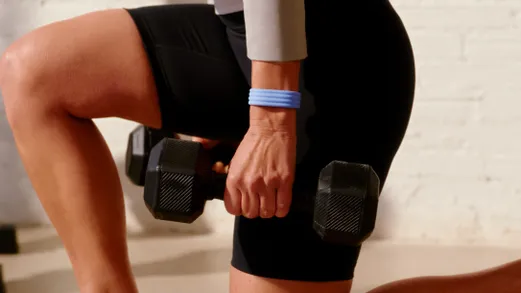
The device doesn't have GPS, differentiating it from the Fitbit Charge 6. It includes a subscription with three free months of Google Health Premium (formerly known as Fitbit Premium, but more on that in a minute), usually costing $9.99 / £7.99 / AU$15.49 per month.
So far, so expected. The Google Fitbit Air saves seven days of detailed motion data, minute by minute, and one day of workout data, syncing to the new Google Health app.
What is the Google Health app?

The Fitbit app and Fitbit Premium subscription service are being rebranded as the Google Health app in a mandatory rollout, which includes a sweeping redesign. It's not going to be a popular move for long-time Fitbit users, but we've known this was coming ever since Google made it mandatory to have a Google account to continue using Fitbit devices.
As part of this, Google Health's premium subscription is now based around the Google Health Coach, an AI health assistant based on Google Gemini. The Coach accesses all the data you allow it, from sleep and heart rate from a fitness tracker, to nutrition logging by uploading photos of your meals. It can even take into account your medical records.
Using this corpus of information, the Google Health Coach becomes a personal assistant of sorts, recommending you workout plans, sleep optimization tips, recipes, injury advice and more based on your goals and health.
The Google Fitbit Air was apparently 'designed for Google Health Coach', but unlike Whoop, you can use the fitness tracker with a free version of the app if you don't want to subscribe. You just don't get all the AI-powered advice, instead simply getting readouts, scores and graphs based on your data as you do with most fitness trackers.
Google Fitbit Air: specifications
Device |
Google Fitbit Air |
Price |
$99.99 / AU$199 (around £75) |
Weight |
12g with band |
Case |
Recycled plastic |
Display |
None |
GPS |
None |
Battery |
Up to 7 days, 90 mins charge (5 mins fast charge for 1 day's battery) |
Connection |
Bluetooth |
Water resist |
50 meters |
The bands come in several styles: a woven Performance Loop Band designed for 'a flexible fit' built from recycled materials; a silicon Active Band; and the more stylish Elevated Modern Band. The Google Fitbit Air Special Edition comes with a Stephen Curry branded band designed for "peak performance and elevated style".
Analysis: undercutting Whoop and returning to classic Fitbit

When news first broke about the upcoming Fitbit Air, I wrote that Fitbit's new screenless Whoop-style tracker is a better fit for the brand than a smartwatch, because it's a return to the 'almost invisible' pedometer of 2008.
I stand by that assessment. Fitbit's always been best as an unobtrusive, reliable fitness tracker and pedometer, and despite the new app's AI smarts and Google's heavy hints that you need the Health Coach subscription to get the most from this band, this is exactly where the Google Fitbit Air sits.
Other screenless options, such as Whoop 5.0, the Polar Loop and even smart rings like the Oura Ring 4 are more expensive, making the Google Fitbit Air a cheap option for 'focus wearable' fanciers.
Vote in our Google Health poll and tell us what you think:

Follow TechRadar on Google News and add us as a preferred source to get our expert news, reviews, and opinion in your feeds.
