


Look, Microsoft: sometimes we all make mistakes. Sometimes those mistakes are small, and sometimes they’re huge, multi-year debacles that annoy millions of people and fundamentally damage the functionality of your flagship product.
I am, of course, referring to the elephant in the room that is Microsoft Copilot, the AI-powered assistant that is now heavily baked into multiple aspects of not just Windows 11, but the broader range of Microsoft products as a whole. Microsoft Word, Outlook, the Edge browser, the 365 suite, and even the File Explorer (where Microsoft recently gave users the option to remove it entirely, because it was still hanging around even if you disabled AI actions in the Windows Settings menu).
Now, I’m not going to make such a bold claim as ‘Copilot is wildly unpopular’, but the AI tool has clearly proved divisive at best among users. I have no doubt there are some people who love Copilot and use it daily; I’m not one of those people, but I’m sure they do exist somewhere other than the slideshows in Microsoft’s quarterly earnings calls.
But for all the tech giant’s pandering to AI-obsessed investors, Copilot has had a rocky journey, and even three years since its original launch, has largely failed to prove itself as a tool that the majority of people want or need to use. Even AI fans prefer ChatGPT, and Microsoft’s own ‘AI CEO’ Mustafa Suleyman recently admitted that Google’s competing Gemini AI outperforms Copilot in some key areas. Frankly, things aren’t looking great.
Locked in
It doesn’t help that Copilot is largely contained within the Windows ecosystem (especially after Meta recently took steps to boot other AI tools from its platforms, though Microsoft has plans to annoy LG TV owners with it too), and Windows itself has seen no shortage of troubles lately.
This sort of parent platform focus shouldn’t be a problem in itself, but when even your own former staff are criticising your biggest product, it should be a sign that something isn’t right.
There are many reasons why Windows 10 remains very popular, with the TPM 2.0 hardware requirement for Windows 11 being a significant factor in blocking adoption, but it’s undeniable that some people - myself included - aren’t upgrading because of how bloated Windows 11 is now.

I mean, seriously; set up a new Windows laptop, and you’re met with a veritable avalanche of unnecessary software and ads for other Microsoft products. This is further evidenced by the existence (and surprising popularity) of Tiny11, the lightweight, AI-free alternative to Windows 11. I won’t outright recommend it here, since it isn’t officially supported by Microsoft and therefore has potential security and compatibility issues, but I can certainly understand why its proponents like it.
Taking a scalpel to all the Copilot nonsense I’m never going to use is an appealing notion.
Do people really like Copilot?
Let’s look at the numbers for a moment. According to Microsoft’s own figures, there are roughly 700 million Windows 11 users worldwide, accounting for a little over half of all Windows users. Conservative estimates for Windows 10 use put the total number of systems at 650 million. A report from Business of Apps puts the count of active Copilot users (as in, the number of people who use it regularly) at 33 million as of November 2025, while tech newsletter Newcomer claimed the number of weekly users was 20 million earlier this year. Meanwhile, ChatGPT has been averaging weekly user counts in the hundreds of millions.
Even if I’m generously massaging the numbers, it doesn’t paint a pleasant picture for Copilot. Even using the 33 million figure, active Copilot users only account for a measly 2.5% of all Windows 10 and 11 users - and it’s important to bear in mind that a significant chunk of Microsoft’s customer base for Copilot is accounted for by businesses, so some of these users would likely fall under ‘my boss it telling me to use this’ rather than ‘I personally want to use this’.
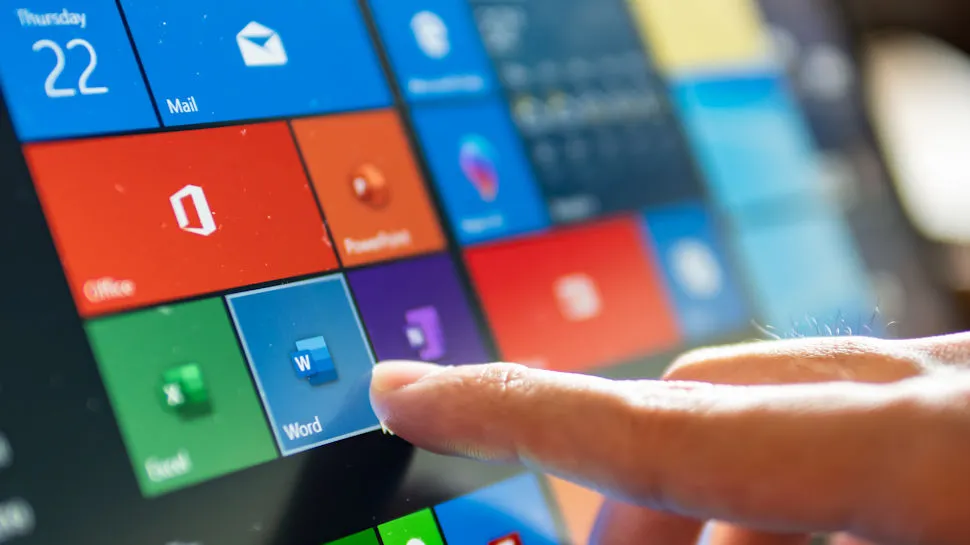
And yet, Copilot keeps encroaching further and further into every aspect of Windows 11, despite being desperately unpopular compared to the AI titan that is ChatGPT. Despite the continual issues with Windows 11 - seriously, it feels like every week something else breaks - Microsoft seems more deeply committed to cramming AI into every nook and cranny of the OS rather than taking the time to fine-tune it and actually provide a genuinely better user experience.
Getting rid of the ads would be a good start, Microsoft - macOS doesn’t have those, and that’s a hard thing to admit as a lifetime fan of Windows PCs over Macs.
So here’s my polite request, Microsoft. Just give it up. Please. It’s not worth pissing off the majority of your user base for a fraction of the market dominated by ChatGPT - especially when you were the ones who gave billions of dollars to OpenAI last year. Keep Windows simple.
That’s especially important right now, too, since with PC component prices soaring (ironically due to fresh AI demand) more people will be struggling to upgrade, and the last thing they need is an AI-bloated resource hog of an operating system.

➡️ Read our full guide to the best laptops
1. Best overall:
Apple MacBook Air 13-inch M4
2. Best budget:
Asus Chromebook CM14
3. Best Windows 11 laptop
Microsoft Surface Laptop 13-inch
4. Best gaming:
Razer Blade 16
5. Best for pros
MacBook Pro 16-inch (M4 Pro)
