


- Costco has removed RAM sticks from display PCs on shelves
- This has reportedly happened after incidents of theft
- In recent times, an office was broken into just to steal the DDR5 RAM, and online buyers of memory are facing scams, too
If you needed another sign that the RAM crisis continues to get worse – yes, yet another sign – then here it is: memory sticks are starting to become a target for thieves.
VideoCardz picked up on what seems to be a growing trend, with the latest development being that Costco in the US has started removing the RAM modules from its prebuilt PCs on the shelves (and keeping the memory in the back of the store instead). In one reported case, this was after an incident where a person was apprehended after removing memory from a display PC.
Another Redditor posted photographic evidence of a PC on the shelf with empty RAM slots on the motherboard, and this follows the retailer also removing GPUs from its computers – which happened a long time back (in 2020, by all accounts).
With the high value of DDR5 RAM now, though, it seems this is becoming a target for shoplifters.
This isn't the only recent example of RAM theft, as the week before last, we reported on an incident that happened in an office in South Korea which was broken into expressly to steal the DDR5 system RAM from the PCs (nothing else was taken).
On top of this, there are (indirect) thefts taking place via online retailers, whereby scammers are buying pricey RAM and replacing those sticks with old (cheap) memory in the boxes, then returning them (and keeping the expensive DDR5 memory). If the retailer fails to check the return properly – and this does happen – another subsequent buyer ends up purchasing the ancient RAM sticks and getting stung.
Analysis: RAM-sacked
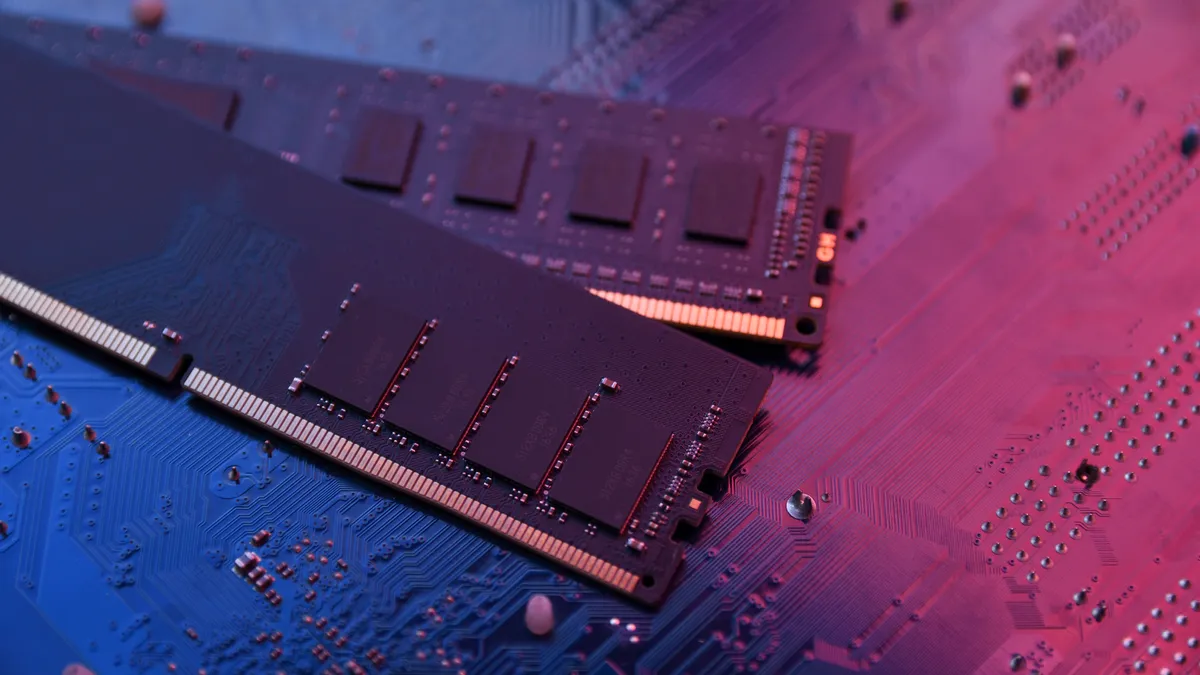
I guess this was inevitable with RAM prices absolutely soaring, and higher-end DDR5 memory sticks now being worth a small fortune. The same has been true of GPUs, of course, in the past, and as noted these high-value items have long had similar precautions taken with them at bricks-and-mortar retailers.
However, RAM is a lot easier to steal – or certainly conceal – than a graphics card, especially a beefy high-end triple-slot affair. Still, getting inside a PC in a store to steal any component seems like a very tall order, frankly – and in the case of Costco, the RAM thief was caught.
Seemingly the way some folks might get away with this is by pretending to be someone who looks official (holding a clipboard, iPad or similar) and carrying out some kind of inventory inspection, who may not be challenged to any extent if they're confident enough.
Whatever the case, the average consumer doesn't have to worry about what's going on in stores – but we do have to worry about online orders where a fake item might have been substituted for the real product by someone carrying out a returns scam, as noted.
These days, it's a good idea to record yourself unboxing any high-value tech product, just so you have evidence of the box contents on video, should you need extra proof if a purchase goes awry.

➡️ Read our full guide to the best computers
1. Best Windows:
Dell Tower Plus
2. Best Mac:
Apple Mac mini M4
3. Best Mac AIO:
Apple iMac 24-inch (M4)
Follow TechRadar on Google News and add us as a preferred source to get our expert news, reviews, and opinion in your feeds. Make sure to click the Follow button!
And of course, you can also follow TechRadar on YouTube and TikTok for news, reviews, unboxings in video form, and get regular updates from us on WhatsApp too.