





Let me get to the point: these are the best camera phones you can buy right now. These picks are based on extensive testing, knowledge of what makes a good smartphone camera set up based on a mass of cumulative knowledge and hands-on testing.
Currently, the iPhone 18 Pro Max now leads the pack thanks to its unmatched balance of photo and video performance, and variable aperture for more 'pro' users. But power users will appreciate the unparalleled shooting flexibility of the Galaxy S26 Ultra, which unseated its predecessor as our top Android recommendation.
So read on for our definitive rankings for the best camera phones, based on our testing and extensive reviews.
Latest news and updates
Why you can trust TechRadar We spend hours testing every product or service we review, so you can be sure you're buying the best. Find out more about how we test.
We've added the iPhone 18 Pro Max to this guide as the best overall camera phone, now that we've thoroughly tested it. And the Google Pixel 11 Pro comes in to replace its predecessor as the best AI camera phone.
Such changes are to be expected with a new slate of next-generation phones. As are potential deals on said phones, as we're now in the midst of the Black Friday sales season, where you can expect to score some decent discounts on these phones; we'd suggest keeping your eyes peeled for discounted Galaxy and Pixel phones, especially older models that will have featured on this list and are still excellent phones.
Start shopping now, but also bear in mind the deals will likely peak on Black Friday, November 27 and Cyber Monday, November 30.
Why you can trust TechRadar
All the phones we review are tested by in-house experts and trusted freelancers, from luminary technology journalists like our Editor-at-Large Lance Ulanoff to Phones Editor Axel Metz and regular freelancers like Tom Bedford, Luke Baker and Jamie RIchards; all with solid consumer tech testing experience.
We also use our publisher's in-house testing facility, Future Labs, to conduct stringent and consistent performance and battery tests.
Alongside general phone testing, for the phones in this guide we did the following:
- Take photos with all the cameras on the phones, from main cameras to obscure macro or long-zoom telephoto lenses. You'll see each entry in this guide has a selection of photos to go with it,
- Take a whole range of photos, with a focus on capturing bold images on bright day to low-light performance and snapping photos in challenging conditions with a lot of contrast and colors.
- Test out a range of photo modes, from night-shooting modes to more esoteric modes like 100x zoom.
- Check out any standout AI-powered photography and shooting option, and look for over processing in shots.
- Compare phone camera performance against direct rival phones, or similar phones, and our own in-depth experience in testing phone cameras. For example, knowing how different brands tend to favour certain approaches to colour science, contrast and dynamic range.
The best camera phone overall


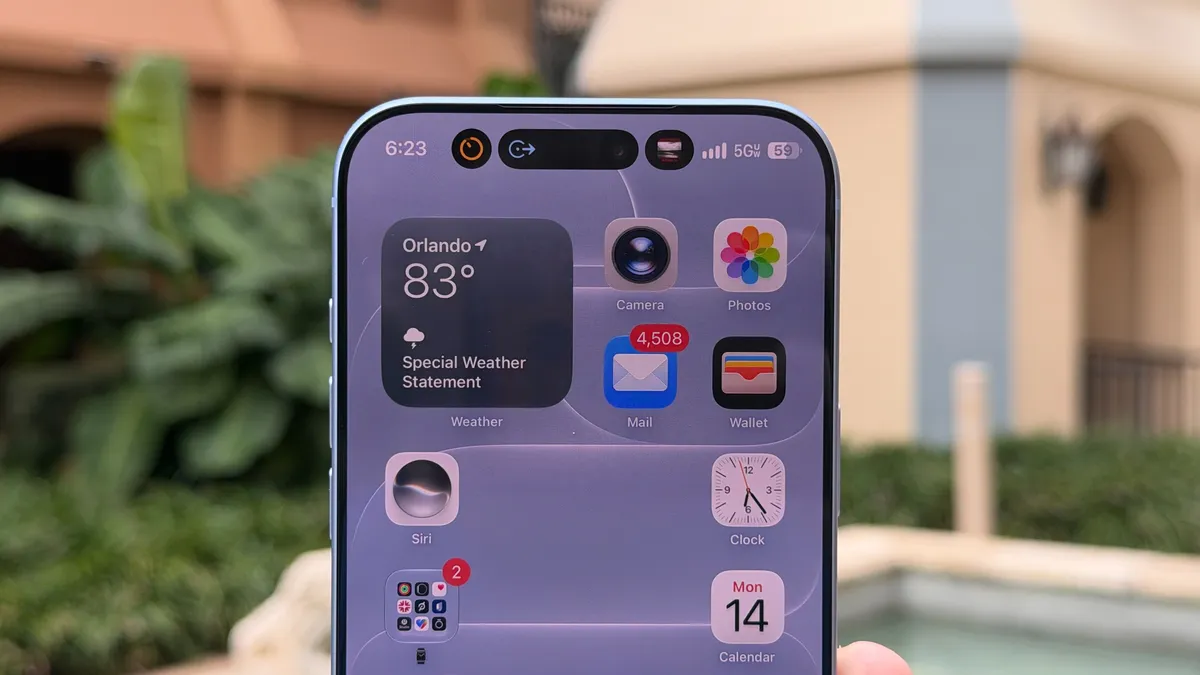
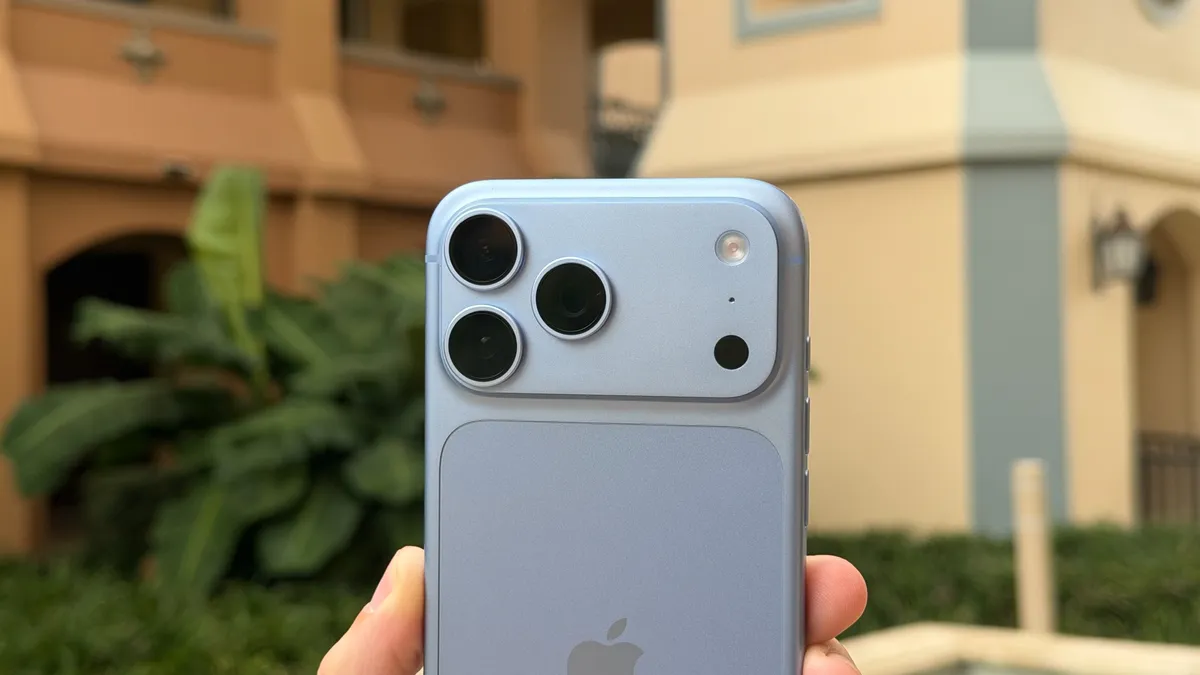


Apple iPhone 18 Pro Max camera samples


It'll surprise no one that the new iPhone 18 Pro Max replaces its predecessor on this list. It basically takes everything the older phone does and makes it that bit better, with a new A20 Pro chip to help power through big photo and video edits, along with any AI tools applied on top of them.
In short, you're looking at class-leading photos and video once again. In Jacob Krol's review he found there were improvements in detail and low-light performance from both the iPhone 18 Pro Max and 18 Pro (we've decided to go with the bigger phone for this spot as it has more screen space to enjoy one's snaps and video captures). But you're not going to see a night-and-day difference between this new Pro and its predecessor if you already own the latter phone.
Where the cameras system sees its its most significant change is with a variable aperture for the main camera. The 48-megapixel main sensor is joined by a mechanically variable aperture (f/1.48 to f/4.0), which puts some pro-level control over depth of field and low-light performance in your pocket, backed by native manual adjustments for ISO, shutter speed, and white balance.
For everyday shooters, Krol points out that the hardware still shines when left in its auto mode, producing sharper textures, more natural background blur, and balanced highlights right out of the box.
When one takes into account improvement in a display coating to make it less reflective, better AI integration with the arrival of iOS 27 and Siri AI, and a solid battery life, you've got a great camera phone, the best iPhone yet, and just a fantastic overall smartphone. Apple iPhone 18 Pro
Read our full iPhone 18 Pro and iPhone 18 Pro Max review
The best camera phone for Android users

Galaxy S26 Ultra camera samples


There are a lot of Android phones that have really good cameras, even going into the cheaper end of what's on offer. But if you want the very best cameras coupled with a compelling, fast and slick Android experience, then the Samsung's Galaxy S26 Ultra is the smartphone to consider.
It's array of four rear cameras might seem like overkill but it gives users a very flexible system, especially when it comes to zooming in at different optical ranges. THe photos the phone produces are excellent; from sharp high-resolution shots, to expansive ultra-wide photos, and zoomed-in shots that actually look usable compared to some of the other phones' telephoto capabilities on this list. And with each generation of Galaxy phone, Samsung has curtailed some of the oversaturation of colors, though kicking out photos that are punchy and had good dynamic range.
We still feel the latest iPhones capture video a little better than the Galaxy S26 Ultra, which is why it's not at the very top of this list. Plus its large size might mean its a little to big for non-power users.
There's also the little wrinkle that when comparing the Samsung Galaxy S26 Ultra to the Galaxy S25 Ultra, the cameras are very similar, though the newer phone does pull slightly ahead when punching into the details, according to our reviewer Editor-at-Large Lance Ulanoff. But if you're already got a Galaxy S25 Ultra it might now be worth upgrading to the S26 Ultra; for those on older Galaxy phones, the S26 Ultra might be the phone to get.
There's a suite of AI-powered editing tools and features to get the most out of your smartphone photography, and can help rework shots that might not have quite worked out.
When you combine all of this, we reckon the Galaxy S26 Ultra is the best phone for Android fans and people who a camera system that's got the flexibility to snap a range of phones they are keen to share.
Read our full Samsung Galaxy S26 Ultra review
The best AI camera


Google Pixel 11 Pro camera samples


Iterative is the word to describe the Google Pixel 11 Pro over its predecessor that it replaces in this guide. But that's not necessarily a bad thing, as Google has seemingly perfected the Pixel Pro formula.
Sure, if you've got a Pixel 10 Pro you're not going to benefit massively from upgrading. But for those of you on older Android phones, then the Pixel 11 Pro is well worth a look.
The cameras are pretty much the same as before, albeit with a slight change in aperture for the main camera. But the still deliver some stellar phone-based photography; much like the Apple and Samsung phones above, the biggest difference between these flagships and their photography chops will come down to one's taste and feelings towards how each delivers on image processing and color science.
There are some standout features that harness the power of AI to make the Pixel 11 Pro compelling. The 120x Pro Zoom can deliver some great highly zoomed in photos, albeit a tad hit and miss in our reviewer's testing, and the Magic Capture feature can smartly capture photos from video recordings.
"I used Magic Capture to get pictures and videos of my niece playing volleyball, and I was totally skeptical going into it. However, after letting Magic Capture do its thing — which also requires some processing after the fact — I was pleasantly surprised to see short video clips of her in action and not just standing around waiting for the ball," said tester Jason Cipriani. "There were also several photos of her diving for or setting a ball that made sense — situations I would have tried to capture on my own, sometimes successfully and sometimes not."
As such, the combination of capable cameras and baked in AI tools make the Pixel 11 Pro the phone we'd reccomend for AI-driven photography; we'd also shoutout the larger Pixel 11 Pro XL for people who want a larger display.
Read our full Google Pixel 11 Pro review
The best foldable camera phone


Samsung Galaxy Z Fold 8 Ultra camera samples


While it may have the Ultra moniker, the Samsung Galaxy Z Fold 8 Ultra is basically the flagship upgrade on the Galaxy Z Fold 7 (which has also been replaced by the more compact Samsung Galaxy Z Fold 8).
Looking virtually identical to the Fold 7 that was on this spot for the past 12 months, the Fold 8 Ultra has one new design trick up its sleeve: it folds flat. This should make viewing photos snapped on the phone's myriad of cameras a slightly more enjoyable experience if you're laying it on a table for others to crowd around.
But what of the actual cameras? Well, they are expectantly excellent, as per Samsung's flagship phone standards. Reviewer Lance Ulanoff found that the image processing on the camera suite, comprising a trio of rear cameras, a cover front-facing camera and a main screen selfie camera, to be the best he's seen on a Samsung phone to date.
"In anecdotal side-by-side shots, Samsung's photography is now as good as, and sometimes better than, what I can get with the iPhone 17 Pro Max," said Ulanoff.
And while the trio of rear cameras don't at first appear to have had sweeping changes, the addition of a 50-megapixel ultra-wide camera is a decent upgrade. Expect sharper expansive images when shooting with this lens. Plus there's a suite of tweaked and new AI capabilities, such as editing photos with voice prompts, which impressed Ulanoff,
Such a camera suite along with the tablet-like screen a flagship foldable phone offers, means the Fold 8 Ultra easily takes the spot as the best foldable phone for photography, especially if you want to dive into editing your photos on the go without moving to a laptop or PC.
And while the cameras on the Fold 8 Ultra don't exactly match those of the Galaxy S26 Ultra, wee'd not say they play second fiddle to the non-folding Samsung flagship anymore.
Read our full Galaxy Z Fold 8 Ultra review
The best budget camera phone

Google Pixel 10a camera samples


The Google Pixel 10a continues the solid work of its predecessors by delivering class-leading phone photography for a very attractive price. We'd say that when it comes to getting great cameras for a compelling price, you really don't need to look beyond the Pixel 10a.
This latest iteration of the budget Pixel phone see the pair of rear cameras sit flush with the phone's back, removing the bump of its predecessor and making for a phone that feels that bit cleaner on the design side.
But putting that aside, the Pixel 10a's cameras excel at taking crisp, bright and well-balanced photos with excellent colors; the latter are some of the most natural and have a bounty of dynamic range that Pixel phones have been doing well for years. Add in some new AI features like Camera Coach, which uses AI and haptic feedback to effectively nudge you into the right position to take what the phone's smarts decide makes for the best photo, and you've got a fantastic camera phone.
A lack of meaningful upgrades over the Pixel 9a means you don't need the 10a if you've got that older phone. But for others on Pixels that are longer in the tooth, or are looking to step up from some other budget Android phones, the Pixel 10a is the best budget camera phone to buy right now.
Read our full Google Pixel 10a review
Also consider
There are so many great camera phones available; far more than what we can fit in this list. So here are a suite of phones with great cameras that are also worth your consideration if the ones above don't quite meet your needs.
- The Samsung Galaxy S26 Plus and Galaxy S26 offer a trio of rear cameras that snap great photos and have access to Samsung solid image processing and AI tools; they simply lack the sheer flexibility of the S26 Ultra but are notably more affordable.
- An iPhone 17 might be limited to two rear cameras, but the photos it captures and video it records are excellent. The camera array mostly keeps up with that of the Pro iPhone 17 models, only lacking in telephoto capabilities. For most iPhone users, the iPhone 17 will be more than enough.
How we test camera phones
Our reviewers take a whole range of photos on the smartphones they test to really assess the the quality of the cameras on the phones. We'll judge photos in isolation, in addition to comparing them against shots from other phones in a similar price range and their predecessors, as well as against some of the popular phones.
We'll test these phones' cameras in bright sunlight outdoors, at night, in shade, inside and in other diverse shooting conditions. And we'll test the cameras as a set, helping identify any big shifts in colors from ultra-wide and telephoto cameras compared to the main camera. We also flirt with some of the AI features, but do generally judge the quality of these phone cameras in their default modes or similar modes to each other.
While harder to assess in a shot-by-shot photos comparison, we also test out video capabilities, looking for ease of shooting clear and usable video with solid white balance and colors.
FAQ
What phone has the best camera?
All of the phones on this list have great cameras that will take fantastic photos, but you can find a camera phone that is tuned to the shots you prefer. A Galaxy S26 Ultra or other Samsung phone takes photos that are rich in color, making them great for food photos and influencer selfies. The Pixel 11 Pro does a great job taking photos in difficult night-time light. Finding the best camera for your shooting style is the best way to be satisfied with your camera phone.
What iPhone has the best camera?
The Apple iPhone 18 Pro and iPhone 18 Pro Max each feature the same cameras - the best Apple has included with any iPhone model, ever. These are the best iPhone cameras you can buy.
Which Samsung phone has the best cameras
The Galaxy S26 Ultra packs the most cameras of any Samsung phone, with two real telephoto zoom lenses, in addition to wide and ultrawide cameras. That's the best Samsung camera phone, but you will also find a 200MP sensor on the Galaxy S25 Edge and Galaxy Z Fold 8 Ultra, so if you mostly care about wide photos, you can get the same great shots from those other Samsung phones.
Which Android phone has the best camera?
In the US, the best Android phone cameras are on Samsung's top phones like the Galaxy S26 Ultra. In other countries, phones like the Xiaomi 15 Ultra and Huawei Pura 60 Ultra have amazing camera capabilities, but those phones are not sold or supported in the US.
How do you take good pictures with your smartphone?
The first thing to do is stop tapping the screen. Use the volume keys - or the Camera Control on the latest iPhone models - to snap the photo. That will reduce the amount of movement on the camera. The second thing to do is edit your photos after you take them. Every top camera phone has amazing editing software that can reframe, remove unwanted distractions, and much more.
Is a real camera better?
Do digital cameras take better photos than smartphones?
Yes, a digital camera is better than a smartphone camera, but it depends on the camera and the type of photos you take. Digital cameras have larger sensors and larger lenses, which means more light to create the image. However, no digital camera maker is using AI and computational techniques to improve photos in the way that phone makers are doing, and digital cameras don't come with the same robust editing software and sharing capabilities on board.
How do phone cameras work?
How do phone cameras work?
Phone cameras have three main components: the lens, the sensor, and the image signal processor, which is part of a phones system-on-a-chip. Most smartphones today have multiple lenses, and each lens is attached to its own sensor. There is no moving shutter on a smartphone camera, and no moving diaphragm to modify the aperture. Smartphones also rely heavily on a technique called pixel binning. This is when a phone uses four pixels in close proximity to create one final pixel image: thus a 48MP image becomes a higher-quality 12MP image.
Do megapixels matter?
Do MPs matter?
No. Megapixels don't matter at all. What matters is the size of the sensor. A sensor is like a pie. The Galaxy S26 Ultra has 200 megapixels, but it's sensor is the same size as the iPhone 18 Pro, which only has 48 megapixels. Samsung cut the pie into 200 million pieces, but those pieces, or pixels, are tiny, and you need to eat four at a time to get as much pie as one of Apple's pixels. A bigger pie, or sensor, is what you want, and it doesn't really matter into how many pieces it's cut.
How many megapixels do I really need?
How many MPs?
You need 12 megapixels for most photos. A 12MP image is a great size for sharing over email and text, posting to social media, or even printing on an 8x10 sheet. If you are going to print larger images, or if you plan on cropping your images to include only a small portion, then more megapixels will help. Otherwise, more megapixels only mean a larger image file, and you probably don't need to waste the space if you aren't shooting photos to hang on your wall.
What's the best budget phone camera?
Our favorite budget camera phone is the new Google Pixel 10a, especially if you find it on sale. It takes photos on its main camera that are very close or indistinguishable from the Pixel 10 Pro, and it really excels at macro photos and close-up shots. The Pixel 9a is still a great budget camera as well, so if you need to save even more, you might find that one at a great price.
What's the best selfie camera phone?
Best for selfies?
While we don't break out selfies on their own in this list, you can't go wrong with any of the selfie cameras on the phones in this list. They all do a very good job at video calls and snapping front-facing photos.
But there's an argument that the AI features and processing of the Pixel 11 Pro and 11 Pro XL offer fantastic selfie shots. The Galaxy S26 Ultra is a contender, as is the iPhone 18 Pro and 18 Pro Max, especially for video calls.
What's the best camera phone brand?
What's the best camera phone brand?
Because cameras have become the most important part of a phone, we consider all of the best phone makers to be great camera phone brands. You can trust that Google's cameras, for instance, will be consistent across every model. You can trust that Samsung will have vibrant cameras and more shooting modes than any other phone maker. Of course, Apple is always a standout camera brand, and even a cheap iPhone will have a high-quality camera.
What's the best camera phone for video?
What's the best camera phone for video?
The Apple iPhone 18 Pro and iPhone 18 Pro Max are the best video recording cameras right now, and it might not even be close. The iPhone 18 Pro is the only phone on this list that can record 4K resolution videos up to 120fps, which gives you truly cinematic looking slow-mo shots. Even at a normal resolution, the iPhone can record video that looks good enough for the big screen, and some filmmakers have famously used iPhones as the heart of their film process.
What should I look for when buying a camera phone?
Picking the perfect camera phone starts with knowing what you like to shoot. If you're snapping action shots of your kids' games or capturing wildlife in their natural habitat, a good zoom is a must-have. But if your Gallery is mostly filled with portraits and group pics with friends, a solid all-around camera will do the trick. If video is more important than photos, or if you plan on mostly sharing shots of sumptuous desserts, you'll want a camera phone that excels at those tasks.
Which phone has the best camera?
The best camera phone for most types of photos is the Apple iPhone 18 Pro Max (and iPhone 18 Pro), because it produces photos that look like real photography, with no digital tricks or touch-ups apparent.
The Samsung Galaxy S26 Ultra is the best camera phone if you need some specialized photos, like delicious food shots or astrophotography, or landscape photos with bright blue skies and the greenest grass.
What about Xiaomi or Huawei phones?
The Xiaomi 14 Ultra is a phenomenal camera phone, and our UK reviewer Paul Hatton was enthused by the camera capabilities. We've left Xiaomi phones off this list for now due to their lack of availability in the US, but we are currently testing Xiaomi and Huawei phones in our New York Office and we may change our mind if these prove too good to ignore.
Whether or not Xiaomi or Huawei make the best camera phone, we'd warn US buyers against importing a phone without a local warranty. Buyer beware, it may be hard to fix, and impossible to fix under its own warranty, but if you want to see what we're missing, it's been a lot of fun so far.
How to choose the best camera phone?
Should you choose a phone based on the camera? Absolutely. After the messaging features, the camera is probably the feature you'll use most on your smartphone. You don't need the most expensive and expansive camera options, so it's best to consider what sort of photos you care about the most.
We'd suggest you take a look at the camera samples in this article and read our reviews, we try to offer a selection of the best images the camera produced in our brief review period, and we don't rely on studio testing. We also compare the cameras to all of the other phones you might consider, so you can trust our judgment is up to date and considering the competition.
How do I transfer camera photos to my phone?
You can use the software from your camera maker to transfer photos from your phone. Also, almost all phones today will let you plug in a USB card reader, and then you can read your camera's memory card with your phone. This way you can add your real camera's photos to your phone's photo library, and even edit your photo's using your phone's superior (AI) editing tools.