





This year's Black Friday 2025 date is on November 28, which means the deals season has already begun. To help you find all the best early Black Friday deals, I've created this guide with everything you need to know, plus today's 25 hottest deals.
While Black Friday is technically weeks away, several retailers have either already launched early Black Friday sales or have announced upcoming dates. Best Buy, Target, and Home Depot have all launched early Black Friday sales, with deals that you can shop for right now. Amazon is hosting a holiday sale with Black Friday-like prices, and Walmart has announced that its first sale will take place from November 14 to 16, with its official Black Friday event scheduled for November 25 to 30.
As TechRadar's deals editor with eight years of experience covering Black Friday, I'm hand-picking today's best early Black Friday deals, including TVs, Apple devices, kitchen appliances, vacuums, and smart home gadgets. I'm utilizing my expertise in deal hunting to curate this guide with the best Black Friday deals.
Below, you'll find the top early Black Friday sales, followed by today's best deals from around the web. Make sure to bookmark this guide, as I'll continuously update it with the latest news and stand-out deals.
Today's best early Black Friday sales
- Amazon: 45% off TVs, AirPods, air fryers & vacuums
- Apple: iPads, AirPods & MacBooks from $119
- Best Buy: $1,000 off TVs, laptops & headphones
- Dell: laptop deals from $249.99
- Home Depot: 40% off appliances, furniture, grills & tools
- Lenovo: 45% off laptops & tablets
- Lowe's: up to 30% off appliances, holiday decor & tools
- Samsung: up to $2,000 off appliances, TVs & phones
- Target: 40% off Christmas decor, clothing & furniture
- Walmart: furniture, cheap TVs & vacs from $69
- Wayfair: 54% off Christmas, furniture & decor
Today's top 25 early Black Friday deals

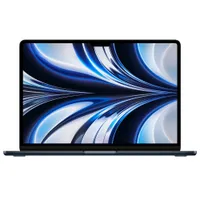
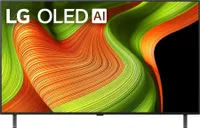
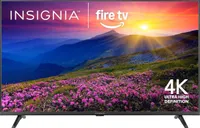
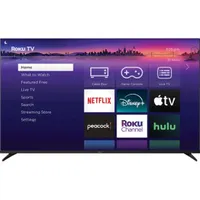

Black Friday 2025 FAQs
When is Black Friday 2025?
Black Friday always occurs after Thanksgiving, and this year, the 2025 Black Friday date is November 28. It marks the beginning of the Christmas shopping season with some of the best discounts you'll find from retailers like Amazon, Best Buy, Walmart, and Target.
When do Black Friday deals start?
While the official Black Friday date is November 28, you can find early Black Friday deals right now. Similar to recent years, retailers have launched early Black Friday sales weeks before the official date, extending the holiday shopping season.
Best Buy has launched its official first Black Friday sale with new doorbuster deals released every Friday. Its official Black Friday sale will take place on Thursday, November 20, a week before the actual Black Friday.
Target has also holiday doorbusters featuring one-day-only deals with up to 50% off Target's own brands and select items from Apple, Ninja, Dyson, and Disney. On November 2 through Christmas Eve, the retailer will release new deals every Sunday, including up to 50% off vacuums, Apple devices, tech gadgets, and clothing. Target is also launching a three-day early Black Friday sale on November 6, with discounts on holiday decor, toys, kitchen appliances, and Lego.
Walmart has also announced its Black Friday dates, with an early sale on November 14 and 16. Additionally, Walmart Plus members will receive early access on November 13 at 7:00 PM ET. Walmart's official Black Friday deals event runs from November 25 through November 30 (in-store from November 28 to 30), and its Cyber Monday sale is on December 1.
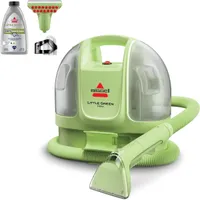
Last but not least, Amazon has announced that its 2025 Black Friday Week sale will kick off on November 20 and run up until its Cyber Monday event on December 1. That means you'll get 12 days of incredible Black Friday deals from your favorite brands like Bissell, Nike, Samsung, Beats, and Dyson, to name a few.
I'll update this page with all the latest Black Friday news and dates, and of course, all the best Black Friday deals as soon as they become available.
What Black Friday deals can you expect?
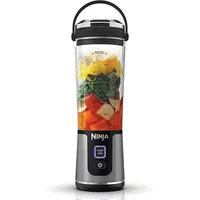
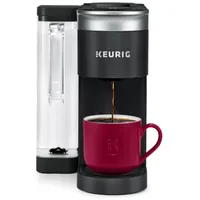
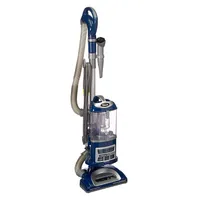
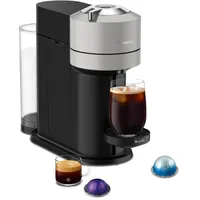
While new products always enter the mix, the most popular Black Friday deal categories stay the same. That includes tech products like TVs, headphones, Apple devices and laptops, kitchen appliances from brands like Ninja, Keurig, Nespresso, and KitchenAid, and upright and robot vacuums. You'll also find clothing and viral beauty products on sale, as well as best-selling toys.
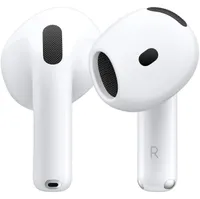
In terms of specific products, new Apple devices are always popular Black Friday deals. This year, I expect to see discounts on the new AirPods Pro 3, the Apple Watch 11, and the latest MacBook and iPad Pro.
Pricey TVs that get a significant discount during Black Friday are popular offers. This year, I have my eye on the LG C5 OLED TV, the Samsung S90F, and Samsung's art-inspired The Frame QLED TV.
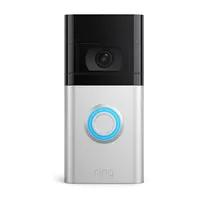
Amazon's lineup of smart home devices, including the Kindle e-reader, Fire tablets, Echo speakers, smart displays, and Ring Doorbells, is all down to record-low prices during Black Friday.
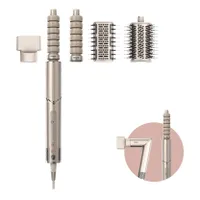
Other notable Black Friday deals include air fryers, coffee makers, robot vacuums, and Dyson products such as vacuums, hair stylers, and air purifiers.
If you want to shop all the best Black Friday deals in one place, I'll update this guide with all the top offers as soon as they become available, so make sure to bookmark this page.
Why you can trust TechRadar
I've been covering Black Friday for eight years, and our team of deals experts has over twenty years of collective experience. TechRadar has also reviewed over 16,000 products and counting, so we're not only here to help you find the best price but also to give you all the information you need to help make your buying decision.
I'll analyze each offer in this guide, using price history and comparison tools to ensure you know what kind of deal you're getting. I'll let you know if the item is on sale for a record-low price or cheaper at a competing retailer.
How we find the best Black Friday deals
TechRadar researches price history and uses comparison tools to ensure every item listed in this Black Friday sales guide is a genuine bargain. We also use our extensive history, which includes regularly browsing retailers like Amazon, Best Buy, and Walmart, to hand-pick the best deals based on price and popularity from well-known brands like Apple, Samsung, LG, Ninja, Dyson, and Bissell.
