





In my role as TechRadar's Senior Fitness and Wearables Editor, I test a lot of smartwatches and fitness trackers. I've tested around a dozen wrist-based fitness trackers this year alone, and what I haven't tested, I've asked other writers to put through their paces for me.
My personal testing bank this year includes the following:
- Google Fitbit Edge (review to come)
- Coros Pace 4 Pro (review to come)
- Apple Watch Ultra 4
- Apple Watch Series 12
- Google Pixel Watch 5
- Samsung Galaxy Watch Ultra 2
- Huawei Watch GT Runner 2
- Garmin Cirqa
- Google Fitbit Air
- Garmin Forerunner 170
- Garmin Fenix 9 Pro
- Huawei Watch Fit 5 Pro
The devices that other writers have tested on my behalf include the Garmin Forerunner 70, Samsung Galaxy Watch 9, Amazfit Active 3 Premium, Coros Nomad, Suunto Race 3s, Huawei Band 11 and many more. Then there are the items from previous years, as well as devices such as heart rate monitors and smart rings. Over the years, I've tested a lot of smartwatches and fitness tech, and I'm well placed to advise on which Black Friday smartwatch deals to consider.
So, some readers might be surprised when I say that my advice to the majority is to give most of the above trackers a wide berth on Black Friday, with the possible exception of the Google Fitbit Air and Garmin Cirqa.
Why shouldn't we buy any of these watches?

Most smartwatches, like smartphones, work on churn: every one to two years, a company will release a newer model of the same watch, with a few new features and perhaps a minor tweak to the design. It's keeps their watch lines up to date, delivering the best-in-class health metrics for buyers, while ensuring that the range regularly stays level with the competition, rather than becoming outdated and requiring a total overhaul. Technology moves quickly.
For example, this year saw Apple deliver new Siri AI features and a more accurate, redesigned LED sensor array to the Watch, which better detects your heart rate overnight. Wear the Watch overnight and it will give you a Readiness Score the next day, which tells you how much energy you're likely to have in the tank for the day ahead. This can aid in planning your training sessions, and help you tailor your habits to ensure maximum Readiness when you need it.
These features aren't available on the older watches — but previous models do include everything else. The Apple Watch Series 12 and Ultra 4 look and operate the same as the Apple Watch Series 11 and Apple Watch Ultra 3, bar a few other quality-of-life fixes, making them an excellent buy on Black Friday. And retailers such as Amazon, Best Buy in the US, and Argos in the UK will be offering significant discounts to clear old stock.
It's the same across the board

The Garmin Forerunner 170 isn't likely to see much movement in price, but its predecessor, the Garmin Forerunner 165 will see larger discounts. The Forerunner 165 includes the same Elevate V4 heart rate sensing technology embedded in its case, so it's the design, features and software support that are slightly different in the models rather than any accuracy gains.
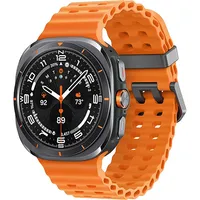
The same is true of last year's edition of the Samsung Galaxy Watch Ultra and the Google Pixel Watch 4, both of which were released in 2025: their 2026 successors are iterative updates on these watches. If the price cut is significant on those older models (and it's already the case on the Samsung model below), you should probably buy the older model instead of the newer one.
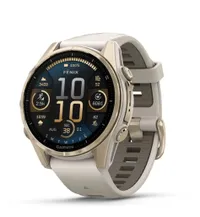
The same is also true of the Garmin Fenix range: the all-new Garmin Fenix 9 might be super expensive, but the Fenix 8 from 2024 has already dropped significantly in price:
Next year, I'm sure I'll be offering the same advice, but with devices replaced by this year's models instead — it's the nature of consumer technology.
If you're interested in getting yourself a new smartwatch or fitness tracker, look at the previous iteration of a product instead of the latest tech. The cycle of small upgrades rather than giant overhauls means that older tech is still plenty good enough for most people's needs — and it's more wallet-friendly, too.
The exceptions to this rule

Of this year's crop of devices, the models I recommend picking up are the Google Fitbit Air and the Garmin Cirqa.
Why? Simply because they're first-generation devices, so there aren't any historic discounts on older models to be found. In addition, they're unlikely to see a refresh for a couple of years at least — certainly not annually, on account of their limited feature set, the nature of screenless trackers, and the fact that they're both fairly high-quality pieces of kit worthy of a space on your wrist. In particular, the Garmin Cirqa is my pick for one of the best fitness trackers this year. If you see a discount on either, I'd advise you grab one.
Are you getting a new wearable in the Black Friday sales this year? Let us know in the comments.

Follow TechRadar on Google News and add us as a preferred source to get our expert news, reviews, and opinion in your feeds.
