





The Samsung Galaxy Glasses, as leaks are calling them, aren’t 100% official, but Samsung has teased the arrival of Android XR specs for later "this year," according to Jay Kim (Samsung's executive vice president of mobile). When they land, they'll sit alongside its Galaxy XR headset — and rumors have started filling in the juicy details.
I expect we’re still at least a few months from a full-on reveal, given we only just had the launch of its Samsung S26 line-up, though I wouldn’t be surprised if Samsung keeps us waiting until much later in the year. But who says we can't start building up our excitement now?
Here I’ve rounded up several leaks related to the Samsung Galaxy Glasses’ apps, display, battery, and more to clue you into what the smart specs might include at launch.
1. They’ll boast a display

According to a new leak via SamMobile, the Samsung Galaxy Glasses will boast a 245mAh battery which is almost identical to the battery capacity of the Meta Ray-Ban Display Glasses. This suggests Samsung’s specs will also boast a screen, something that matches the prototype Samsung glasses we tried last year.
Previous leaks have teased a smaller battery capacity, however, which could hint at two pairs — a Galaxy Glasses standard model and a Galaxy Glasses Ultra that comes without or with a display, respectively. This is supported by the two leaks giving the glasses similar but different model numbers: SM-0200P and EB-0200.
2. Transition lenses are included
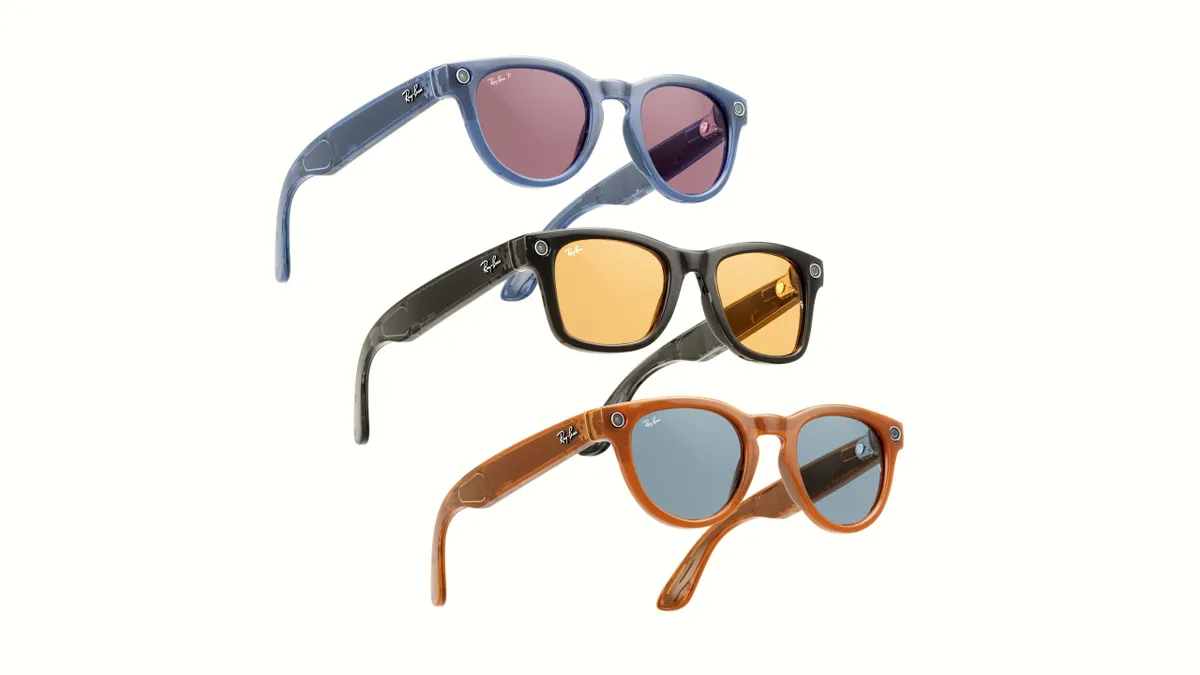
I’ve tested several AI smart glasses, and if I’m honest, you shouldn’t be getting a pair without transition lenses.
Why? Clear lenses are great for when you’re inside or are wearing your specs on mildly sunny or darker days outside, while shaded lenses are ideal when it’s the height of summer and days are bright outside, but neither is ideal in some conditions.
Transition lenses give you the benefits of both in one pair of glasses, maximizing the amount of use you can get out of your tech. Imagine if you could only use your phone on some days of the week — that would be frustrating — and without transition lenses, that’s how it would feel to use your smart glasses, so this rumor that Samsung’s Galaxy Glasses come with transition lenses is one I’m hoping is correct.
3. They have an in-built camera

A camera may seem to be a smart glasses standard, given it’s a key feature of the Ray-Ban Meta specs, but there are plenty of smart glasses that ditch the camera for simpler audio-only AI interactions. So it wasn’t a given Samsung would include one. Thankfully, it apparently will.
Rumored to be a 12MP snapper (the usual resolution for glasses), this thing is likely less than ideal for capturing photos, as — from my experience with other smart glasses models — it’s hard to line up a shot, and if you wear a cap like me, it always gets in the way.
But for first-person video or those moments where your phone isn’t accessible, a camera in your specs is a superb tool and solid alternative to the best action cams — especially when you factor in the other benefits glasses offer.
It’s also handy for providing context for your AI, being able to ask it to analyse what you can see in your environment. This is the AI tool I most often use with my Meta Ray-Ban specs, and it’s a must-have tool for all smart specs. So expect to see this and other AI tricks on Samsung’s tech.
4. They’ll support XR-optimized apps

This next one comes via some hidden Spotify code, and the Android XR developer page, which tease Android apps will get XR integration.
Samsung’s Galaxy Watches already do something similar with wristwear-optimized versions of phone applications, but a big difference is that those apps run directly on your watch — meaning you don’t need your phone. Your glasses would instead receive projected data from your connected phone, which would free up computing power and help the specs conserve battery.
This may change, but for now, leaks also suggest that the Samsung Galaxy Glasses won’t come with data connectivity — something they’d need to be more standalone — hinting at this first iteration being an accessory to your existing Samsung smartphone. Sorry, AI phone.
Follow TechRadar on Google News and add us as a preferred source to get our expert news, reviews, and opinion in your feeds. Make sure to click the Follow button!
And of course you can also follow TechRadar on TikTok for news, reviews, unboxings in video form, and get regular updates from us on WhatsApp too.
