





Compact cameras took a major hit when smartphones came to prominence, but many years later they're making a comeback – and we're all for it. The models in this best compact cameras guide possess a wonderful mix of style, quality, camera phone-beating features, and all-important focused creativity.
We've personally tested the majority of the cameras in this list and TechRadar's previous faves over the last 15 years, and indeed many of today's best camera phones. There is still a compelling case for compact cameras – especially retro snappers like the Fujifilm X100VI; with its classic looks, clever hybrid viewfinder, sharp 40MP sensor and film simulations, it’s become the poster child for premium compacts.
Other models shine in different ways, and we've included nine compact cameras for different use cases and budgets below – every recommendation is based on in-depth testing in the kind of real-world scenarios you’re likely to encounter. Whether you need a powerful optical zoom, genuinely small pocketable body, or full-frame quality, you'll find the right pick below, with additional options which didn’t make the cut further below.

I'm TechRadar's Cameras Editor, with more than 15 years' experience as a photographer and journalist under my belt. I've been lucky enough to test countless cameras of all kinds – and I know what makes a good compact camera. I can hear you asking 'don't people just use their phones?' – it's a question I get a lot – and to that I'd say compacts can still offer something more. That's exactly why I bought a Ricoh GR IIIx instead of the latest iPhone back in 2022. So, if you’re looking for a dedicated camera with superior features and handling, the premium models in this list each offer something unique.
Why you can trust our judgement
Every compact camera in this guide has been thoroughly tested by one of TechRadar's expert reviewers in real-world scenarios. Our dedicated team has decades of combined experience in both professional photography and technology journalism.
☑️ 100s of cameras reviewed
☑️ 15 years of product testing
☑️ Over 16,000 products reviewed in total
☑️ Nearly 200,000 hours testing tech
We test all types of compact cameras, ranging from affordable point-and-shoots to film cameras and premium models with flagship features. Photo quality is a key area of focus (and video where relevant), but we also look at the overall user experience and the value offered by each model.
Real-world tests are the most revealing way to understand the best compact cameras' performance, quirks, and features. So, along with standardized tests for factors like ISO performance, we take every camera we test for a spin to see how it fares in real-world scenarios.

We'll use it both handheld and on a tripod to get a sense of where its strengths lie and test its startup speed. We'll also use a formatted UHS-1 card and shoot in both raw and JPEG (if available), testing its burst shooting and buffer performance.
⭣ Read more
For autofocusing, we use the different autofocus modes available in single-point, area, and continuous modes. Naturally, we take a look at how accurate and reliable its metering is, how well it handles noise, and how well it minimizes things like fringing and distortion. Its video shooting skills are tested as well by shooting some test footage at different frame rates and resolutions.
We also look at the camera's design, handling, and user interface while getting a sense of what kind of photographer it's most ideal for. Battery life is tested as well over the course of the day with the screen set to the default settings. Once the battery has reached zero, we'll then count the number of shots to see how it compares to the camera's CIPA rating.
Once all is said and done, we take all this data and everything I've learned about the compact camera and compare it to its price tag to see if it offers great value for your money.
Meet the team
Our team of reviewers has amassed many years of camera experience and testing, covering all of the latest and greatest cameras in the last 20 years, and can all appreciate the benefits of a dedicated camera like a digital compact versus simply using a smartphone.

Rod is an independent photographer and photography journalist with more than 30 years' experience. He's previously worked as Head of Testing for Future’s photography magazines, including Digital Camera, N-Photo, PhotoPlus, Professional Photography, Photography Week and Practical Photoshop, and as Reviews Editor on Digital Camera World.

Mark is TechRadar's Senior news editor and has been a technology journalist since 2004. Formerly Trusted Reviews and TechRadar's cameras editor, Mark has tested cameras over many years from all of the leading brands.

James Abbott is a professional photographer and freelance photography journalist. He contributes articles about photography, cameras and drones to a wide range of magazines and websites where he applies a wealth of experience to testing the latest photographic tech.
Today's best compact cameras
Why you can trust TechRadar We spend hours testing every product or service we review, so you can be sure you're buying the best. Find out more about how we test.
Below you'll find full write-ups for each of the best compact cameras in our list. We've tested each one extensively, so you can be sure that our recommendations can be trusted.
The best compact camera for most people
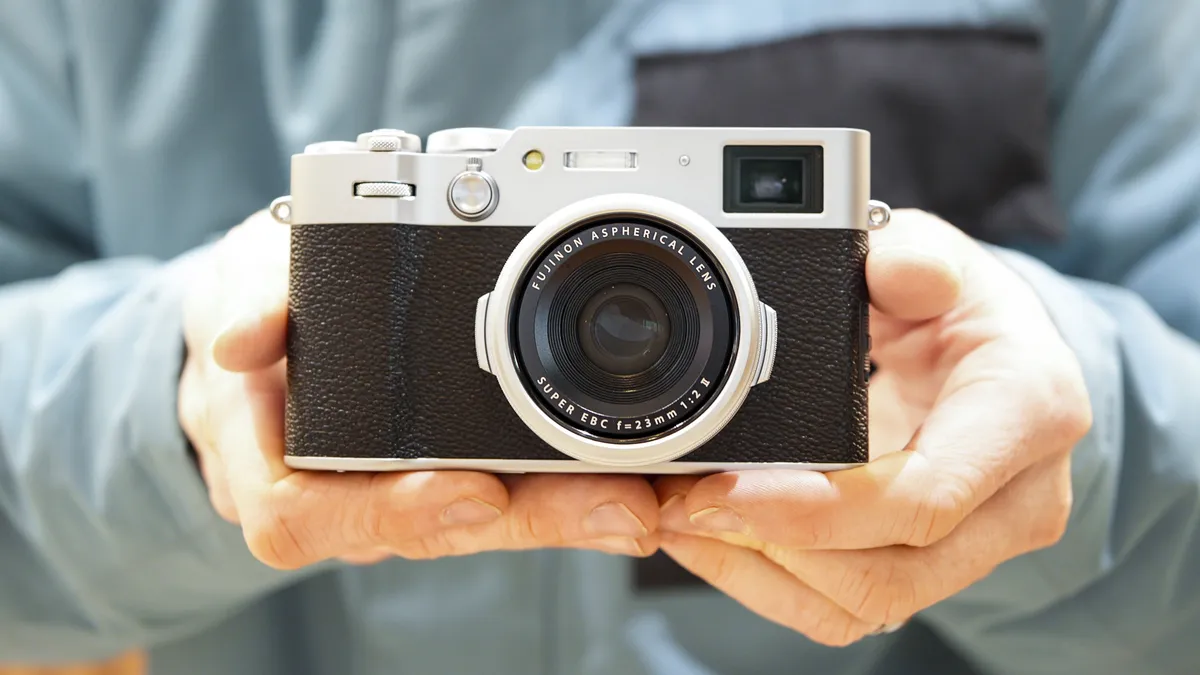
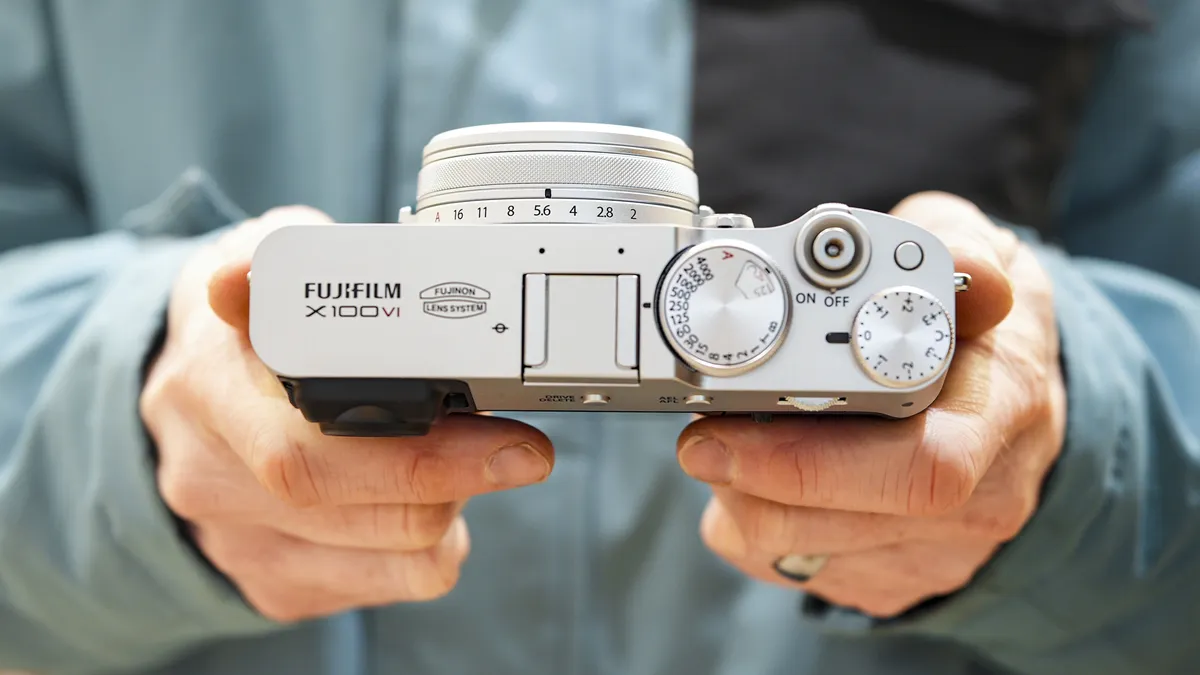
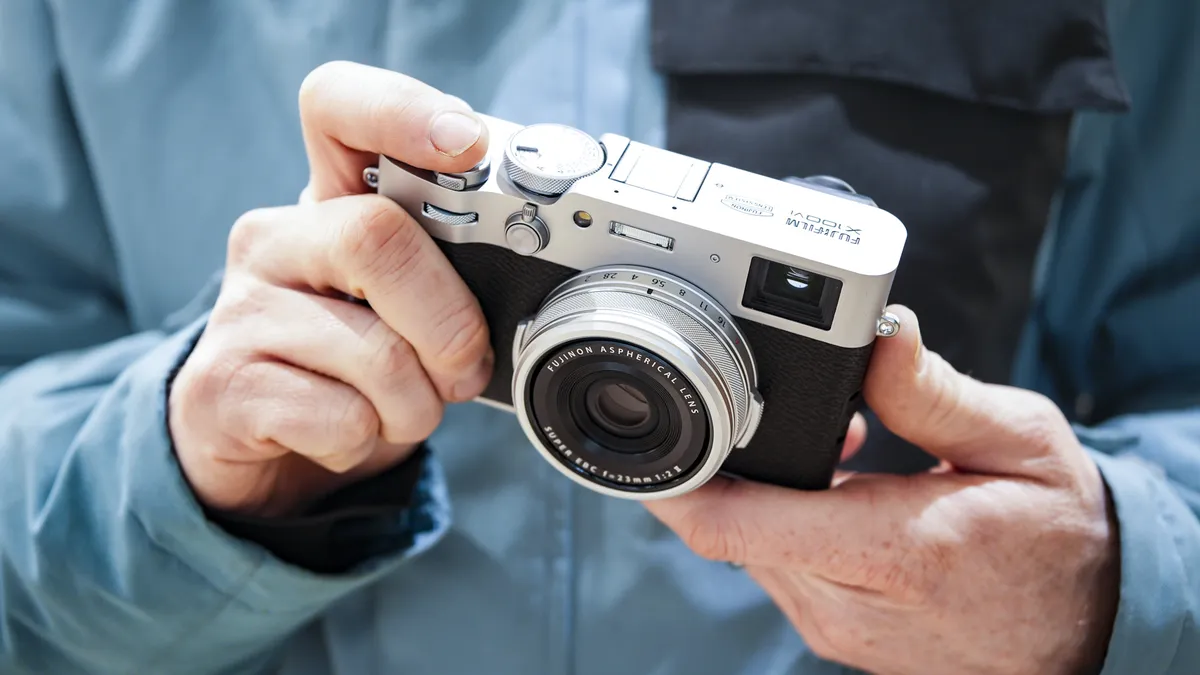


Fujifilm X100VI sample images


✅ You want a versatile everyday camera: A sharp sensor and image stabilization make the X100VI a flexible tool for shooting on a daily basis.
✅ You like a retro-modern hybrid: The X100V blends old-school looks with modern features, including a superb hybrid viewfinder.
❌ You want the best value overall: Its new skills are welcome, but the X100V offers many of the same core features for less – if you can find it in stock.
❌ You like to use different focal lengths: The fixed 23mm focal length is a calling card of the X100 series, but some will find it too limiting.
The Fujifilm X100V went viral for its retro design, pocket-friendly proportions, hybrid viewfinder and fixed 23mm f/2 lens. The X100VI takes the same concept and upgrades it again, boosting resolution to 40MP and adding in-body image stabilization for the first time. It also borrows the class-leading autofocus from the Fujifilm X-T5.
In our review, we found results pin-sharp across the entire sensor, with the increased pixel count offering greater flexibility when cropping. Together with impressive subject tracking autofocus and effective stabilization, we think it’s an even more rounded compact for street shooting.
Our tests also revealed the X100VI to be a more capable filmmaking tool, courtesy of 6.2K 10-bit video support. The fixed focal length will still be a limiting factor for some, as will the single UHS-I SD card slot. You need an adapter for full weather-proofing, too. Given the sold-out demand for the X100V, it’s also unsurprising that Fujifilm has increased the price for its successor. But from our time living with the X100VI, we think it’s the pinnacle of the X100 series, and the best premium compact for everyday use.
Read our in-depth Fujifilm X100VI review
Best alternative...
- Fujifilm GFX100RF: Love the Fujifilm look and have a larger budget? The medium-format GFX100RF is the best quality compact available, period.
The best pocket compact with zoom
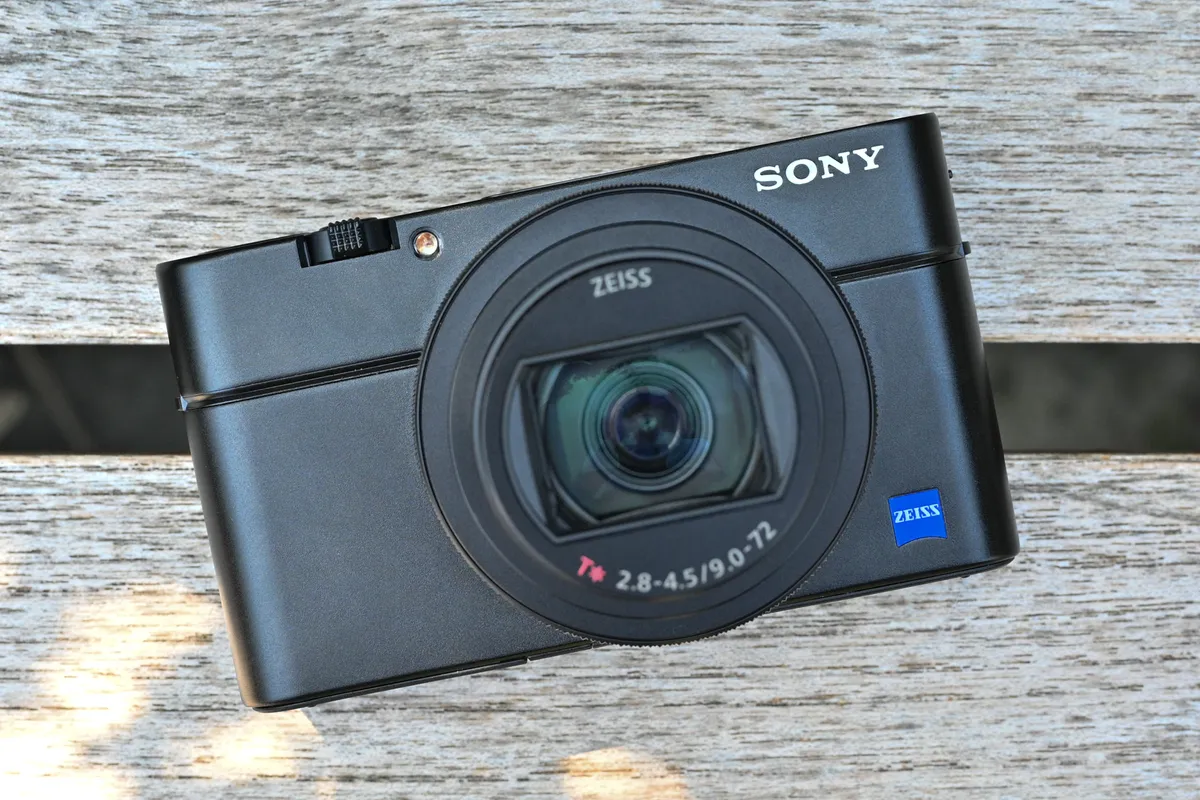


Sony RX100 VII sample images


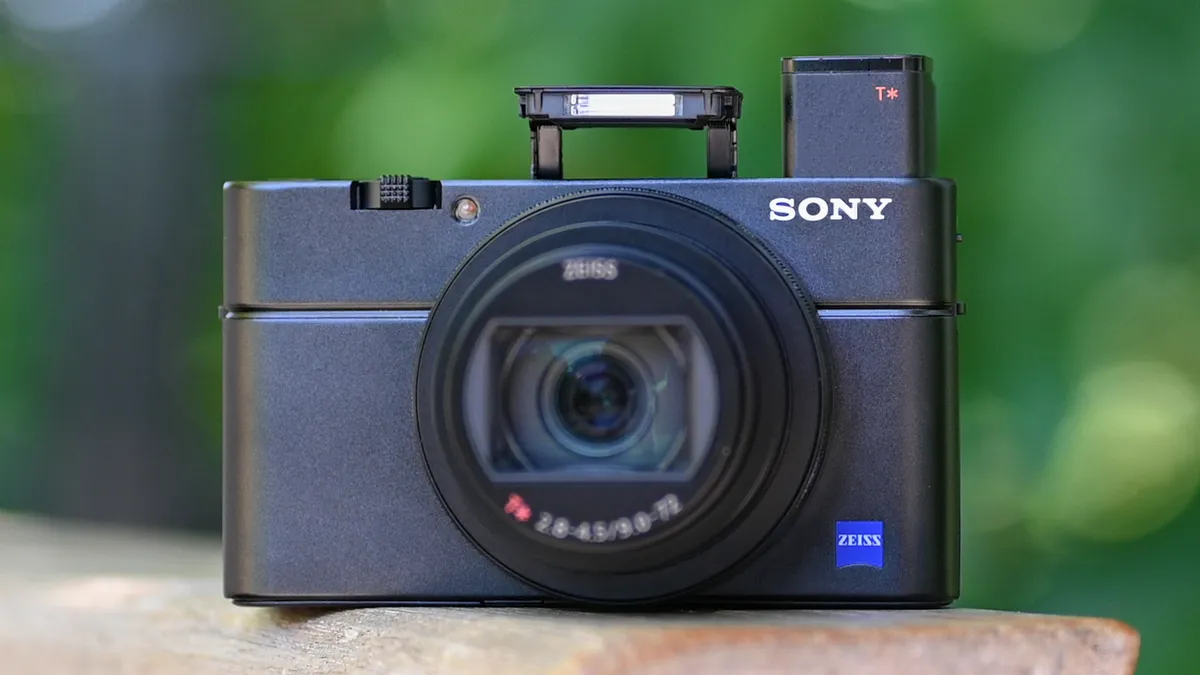
✅ You need a complete pocket camera: The RX100 VII is arguably the most rounded pocket camera for photos and video.
✅ You shoot action: Lens zoom is limited, but the performance is not, with super-fast autofocus and continuous shooting.
❌ You want excellent handling: Small it may well be, the RX100 VII isn't the most ergonomic option available.
❌ You rely on a touch screen: The function of the touch screen is limited, with no support for menu navigation.
In many ways, the RX100 VII is still the best compact around right now. Its autofocus system, we found, is comfortably ahead of any other pocket camera, tracking moving subjects with great reliability and making clever use of its Face and Eye AF, even in video mode. Video quality is superb, while image quality is also stellar. But all of this comes at a huge price, and for many people that could be a deal-breaker.
Still, we can't avoid including it in this guide, as it's one of the best options around. If your budget allows, then you won't find a more powerful compact than the Mark VII. But if you're happy to sacrifice some of the latest autofocus features and a microphone jack, check out the RX100 VI, which offers most of its performance but costs a little less.
Read our in-depth Sony RX100 Mark VII review
Best alternative...
- Panasonic Lumix L10: The Lumix L10 sits in the #5 spot in our rankings, boasting excellent handling and a versatile standard zoom lens.
The best compact video camera


Sony ZV-1 sample images


✅ You want a powerful vlogging camera: The Sony ZV-1 is the best compact camera for YouTubers right now, shooting smartphone-beating 4K video.
✅ You want a compact you can grow with: Sony has made the ZV-1 simpler for beginners to use, but it's also jam-packed with pro features.
❌ You mainly want to shoot stills: While it's no slouch for stills, the lack of a viewfinder and moderate zoom range will limit some photographers.
❌ You need an all-weather action camera: The ZV-1 is packed with features, but one that's missing is weather-proofing.
If it's mainly video rather than stills that you're looking for from a compact camera, then the Sony ZV-1 is one of the best options around. Not that it isn't also very capable at shooting still photos – it has the same sensor and processor as Sony's latest RX100 series cameras, after all – but the ZV-1's main strength is its video powers. That includes its class-leading autofocus powers, which help it tenaciously lock onto people and moving objects in your frame. During testing, we found it to do an excellent job of keeping moving subjects in focus and tracking our eyes across most of the frame. Of course, the video quality from its 20.1MP 1-inch sensor is nothing short of impressive as well.
These are backed up by a 3.5mm mic port for boosting audio quality with an external microphone, and a hotshoe to help mount the latter. Its bright 24-70mm f/1.8-2.8 doesn't give you the same reach as the RX100 VII, but it does ensure that you get lovely background blur in both stills and videos – perfect if you mainly shoot portraits or vlogs. Sony has since released the ZV-1 II, but for us the successor was a puzzling update that in real-world use offered little extra than the ZV-1 to justify its pricier tag.
Read our in-depth Sony ZV-1 review
Best alternative...
- Canon Powershot V1: the PowerShot V1 is a powerful upgrade of the trendy G7X Mark III, with a larger 1.4-inch sensor, a versatile 3.1x zoom, and Canon's best autofocus performance in a PowerShot to date. It takes decent 22MP stills, too.
The best small compact camera


Ricoh GR IV sample images


✅ You want a true pocket camera with superb image quality: The 5-axis stabilized 26MP APS-C sensor and refined 28mm lens are a superb combo for photo-philes.
✅ You want a smartphone step up: Slipping into a pocket, the GR IV is a camera that you can carry with you almost everywhere – just don't take it to the beach.
❌ You want a rugged camera: The camera isn't weather-sealed, and as such you need to look after it – as we know from experience with the GR III!
❌ You shoot video a lot: Maxing out at 1080p, video recording is very much an afterthought in the GR IV. It's nice to have all the same, but you'll be better off using your phone.
Ricoh's GR point-and-shoot lineup has earned a devoted following among photographers (me included!) who appreciate its genuinely pocket-friendly design paired with impressive image quality. This newest model, released in 2025, stays true to that formula, packing a superb 5-axis stabilized 26MP APS-C sensor into its diminutive frame while delivering welcome upgrades like extended battery performance and a generous 53GB of onboard storage. Thanks to its fixed 28mm lens and near-instantaneous power-up, this camera excels as a go-anywhere companion for street photography and travel shooting.
That said, it won't be the right fit for everyone. The autofocus feels noticeably slow, there's no built-in flash, and video recording maxes out at 1080p. The lack of weather sealing also stands out as a puzzling omission for a camera that otherwise seems designed to be your faithful, ever-present travel companion. Still, here's what matters most: you simply won't find another camera this small that delivers photographs of this caliber.
Read our in-depth Ricoh GR IV review
Best alternative...
- Ricoh GR IIIx: The GR IV's direct predecessor has many of the same advantages and drawbacks, but the 'x' version with 40mm lens offers photographers a different, tighter perspective – and as an older model, it's cheaper too.
The best Panasonic compact for keen hobbyists


Panasonic Lumix L10 sample images


✅ You're looking for a stylish everyday camera: The Lumix L10 is undeniably pretty, thanks to its retro profile and rangefinder-style viewfinder.
✅ You already have a mirrorless Lumix: The Lumix L10's sharp zoom lens, sticky autofocus, and solid video capability make it a nifty companion to Lumix's mirrorless cameras.
❌ You use a single focal length: Zoom lens versatility is a major selling point of the Lumix L10, so you might be better off with a Fujifilm X100 series model if you typically shoot using a single focal length.
❌ You need an all-weather camera: Unfortunately, the Lumix L10 isn't as rugged as it looks, lacks weather sealing, and will need to be looked after on the go.
Few compact cameras are as pleasant to use as the Panasonic Lumix L10 – and it's thanks to more than just the charming retro design that takes its inspiration from the Lumix L100 II. The overall layout of the Lumix L10 isn't too dissimilar, either, with a 24-75mm f/1.7-f/2.8 lens, vari-angle 1.84m-dot touchscreen and 2.36m-dot EVF. It's a solid setup for casual shooting (whether you're capturing stills or video). The most notable difference we discovered is the size of the Lumix L10 – it's considerably bigger and slightly heavier than the L100 II.
We were massively impressed by the Lumix L10 during our hands-on testing. It didn't miss a beat when shooting 11fps burst sequences, macro focusing at the wide end allowed close-ups with pleasing background blur, and the high-res 5.6K video footage didn't suffer from any lag or overwhelming rolling-shutter distortion. Autofocus is just as capable, too, and we found that the subject detection picked out humans, animals, vehicles, and more without issue (and the pose recognition is a nice plus).
There are a few caveats to keep in mind, however. There's a drawback to the Lumix L10's design – the lens's imaging circle cuts into the sensor area, leaving some of the sensor's 26.5 megapixels unused and limiting the maximum photo resolution to 20.4MP. It's still a step up from the LX100 II, with its effective 12MP resolution, but lags behind the 40MP Fujifilm X100VI. Additionally, if you need a compact camera to take on the go, you'll need to keep in mind that the Lumix L10 isn't weather-sealed – so keep an eye on the forecast!
Read our in-depth Panasonic Lumix L10 review
Best alternative...
- Leica D-Lux 8: essentially the same camera but in Leica clothing, the D-Lux 8 is a recent release, but packs a lot of the same tech as the older D-Lux 7.
The best full-frame compact camera


Leica Q3 sample images


✅ You like manual control and a tactile experience: The robust dials and shutter button offer the tactile experience that we'd like to see more of.
✅ You want the best-quality everyday camera: With a super-sharp lens and full-frame sensor, no compact camera can better the Leica Q3 on stills.
❌ You want to push a camera hard: The Q3 has some seriously impressive features, but they work best when in moderate, everyday use.
❌ You’re after great value: There’s no real rival to the Q3, and it does represent reasonable value for a Leica, but $5,995 / £5,300 / AU$9,790 is a lot of anyone’s money.
Compact cameras can be cost-effective alternatives to interchangeable lens cameras, but that doesn’t mean there aren’t superb high-end options. Take the stunning Leica Q3: a full-frame monster that comes complete with the exceptional Summilux 28mm f/1.7 ASPH fixed lens. Calling the Leica Q3 compact may be a slight stretch – it's around the same size as the Panasonic Lumix S5 II with a pancake lens – but it is the full package if you’re looking for superlative image quality and almost unparalleled build quality.
It’s this latter point that allows the Leica Q3 to stand out from the competition and smartphones. Put simply, the Leica Q3 offers a premium tactile shooting experience that even the best camera phones can’t hope to match. And, price aside, the Leica Q3 is an excellent performer. Unlike the well-known M-series rangefinders from the brand, the Q3 is fully autofocus capable, which makes it an excellent everyday carry for the well-heeled. Sure, the autofocus performance doesn’t quite match the best systems on the market right now, but the Leica Q3 is the brand’s easiest-to-use camera yet - and one that scores full marks on style points.
Read our in-depth Leica Q3 review
Best alternative...
- Sony RX1R III: With the same 61MP sensor, Sony's RX1R III has a 35mm f/2 lens, incredible autofocus, and a more compact design, but a lot of the RX1R II's features remain, which was disappointing. If you like the sound of an even tighter lens than the Q3's, there's also the Leica Q3 43.
The best optical zoom compact camera


Panasonic Lumix ZS99 / TZ99 sample images


✅ You need a versatile zoom: No other pocket camera in this guide can compete with the ZS99 / TZ99's versatile 30x optical zoom.
✅ You want an affordable snapper: Affordable and truly compact cameras from leading brands are a rarity – the Lumix ZS99 / TZ99 is an exception.
❌ You want top-tier image quality: The sacrifice for that versatile 30x zoom is outright image quality.
❌ You'd value a viewfinder: Panasonic did away with the viewfinder from the discontinued model that the Lumix ZS99 / TZ99 replaces, which is a real shame.
We'll be straight up from the off – the Lumix ZS99 / TZ99 was a disappointing upgrade of 2019's discontinued Lumix ZS80 / TZ95, which it replaces. Not only are there no real upgrades besides USB-C charging, but it is arguably a downgrade following the removal of the handy built-in viewfinder. However, the fact it still features in our best compact camera guide proves just how little competition there is – no other leading brand is making sub-$500 / £500 compact cameras, especially one with a powerful 30x optical zoom and useful touchscreen which can flip up 180 degrees for easy selfies.
Yes, plenty is going for the 4K video 20MP stills-shooting ZS99 (known as the TZ99 outside of the US), not least of which that 30x zoom which can pick out tiny distant details, making it the ideal travel camera for everything from city breaks to safaris. That said, with such great versatility comes compromises – don't expect the same image quality as some other premium compacts in this guide, even the RX100 VII. Credit to Panasonic though – it's back in the compact camera game with one of the most affordable options available.
Read our in-depth Panasonic Lumix ZS99 / TZ99 review
Best alternative...
- Panasonic Lumix TZ300: The TZ300 has half the optical zoom range at 15x, but a larger 1.0-inch sensor means that it provides much better image quality.
Best vlogging compact camera


DJI Osmo Pocket 4 sample footage
✅ You need a small (but powerful) vlogging camera: The Pocket 4 lives up to its name, fitting neatly into any pocket while packing 4K video and reliable subject tracking.
✅ You don't want shaky video footage: With its three-axis gimbal and superior stabilization, the Pocket 4 captures impressively steady video, outperforming other compact cameras.
❌ You already have the Pocket 3: While the Pocket 4 does boast notable improvements over its predecessor, the core features are virtually identical.
❌ Low-light performance is important: If sensor size and image clarity in dim conditions are your top priorities, you’ll want to look at larger-sensor alternatives instead.
We were fans of the DJI Osmo Pocket 3, and its successor, the Pocket 4, improves on an already solid foundation – though it's not a huge leap forward in terms of upgrades. Still, the Pocket 4 is our favorite overall vlogging camera, thanks to its sticky subject tracking and genuinely superior gimbal stabilization. We see it used all the time in our real-world testing – and considering just how small, easy-to-use, and powerful it is, well, it's no surprise.
We found that the Active Track 7.0 feature reliably locked onto faces and objects (just double-tap the touchscreen) and tracked movement without losing focus. This tracking, combined with the three-axis gimbal, means you can capture steady, professional-looking video while walking or adjusting your angle, with fewer jumps or jitters than most compact rivals. The pressure-sensitive joystick worked well, too, and gave us plenty of control over pan and tilt.
The overall image quality of the Pocket 4 isn't enough to justify an upgrade from the Pocket 3, in our opinion, as both cameras have a 1-inch sensor – though the Pocket 4 does boast 4K video output optimized with 14 stops of dynamic range and 10-bit color depth. Slow-motion recording is better than ever, too, and the Pocket 4 now shoots up to 240fps (8x slow-mo) in 4K and 1080p. Finally, we appreciate how easy it was to reframe shots on the go. The rotating touchscreen lets you quickly switch between horizontal and vertical framing, making it easy to shoot shorts or full-length pieces with minimal fuss, no matter where your adventures take you.
Read our in-depth DJI Pocket 4 review
Best alternative...
- Canon PowerShot V10: costing even less, the PowerShot V10 is purpose-built to make content creation as easy as possible. However, despite its refreshing design, the tech inside is both dated and limited, and there aren’t too many reasons to pick it over your smartphone unless you really want a different user experience.
The best film compact camera


Pentax 17 sample images


✅ You want the joy of analog: From the vertical viewfinder to the satisfying crank, the Pentax 17 is a lovely film camera to shoot with.
✅ You want value from your film: By shooting half-frame stills, the Pentax 17 doubles the number of images you get from a roll.
❌ You want a premium build: While the handling is nice and the design is neat, the Pentax 17 also feels a bit cheap for the price tag.
❌ You want an affordable film camera: If you want analog on a budget, you’ll find sensible second-hand options for a lot less.
A compact film camera might seem outdated, but analog is all the rage right now. Designed for the smartphone generation, we think the Pentax 17 is the best film camera you can buy. In our review, we found that it gives all the joy of analog photography: from the optical viewfinder to the lovely, tactile film crank, this is a really fun camera to shoot with. It’s neatly packaged, with dimensions that make it an easy thing to travel with, while the point-and-shoot setup makes it easy to capture sharp stills on film.
From our in-depth tests, we do think the plastic body could feel tougher, given the high price tag. If you’re happy shooting with a second-hand film camera, you’ll find better build quality and value elsewhere. That said, we still think this is a fantastic compact film camera that makes it simple to enjoy analog photography. Thanks to the half-frame format, you get twice as many exposures from a single roll, and its vertical prints are Instagram-ready.
Read our in-depth Pentax 17 review
Best alternative...
- Kodak Ektar H35N: at around 1/10th of the price, the simple H35N is a much cheaper half-frame film camera alternative.
Also consider
Our team has reviewed a whole range of compact cameras, which means there are plenty more that almost made it into this list. Here are a few honorable mentions to consider, some of which we've aligned to their obvious rivals in the dedicated entries above.
Best travel zoom – Panasonic Lumix TZ300: Just like its 2018 predecessor, the Lumix ZS300 / TZ300 is a capable travel companion packing a stabilized 24-360mm f/3.3-6.4 lens and large 1-inch sensor, shooting 20MP stills and 4K video. Overall image quality is impressive for such a dinky bit of kit, offering a solid balance of quality and versatility, and somewhat dated autofocus capability.
Best alternative premium – Leica Q3 43: Like the Leica Q3 above, the Q3 43 is an ultra-premium compact with incredible build quality and gorgeous handling. What’s different about it is the 43mm focal length, which offers a natural field of view to mimic the human eye. Stills are pin-sharp, as you’d expect for the price.
Best Canon – Canon Powershot V1: Forget the trending PowerShot G7X Mark III; the PowerShot V1 is a powerful upgrade with a large 1.4-inch sensor, versatile 3.1x zoom, and Canon's best autofocus performance in a PowerShot to date. It takes decent 22MP stills, too.
Best cheap Leica – Leica D-Lux 8: The D-Lux 8 is a modest refresh of the D-Lux 7, packing a lot of the same tech as the Panasonic Lumix LX100 II. These cameras are still capable today, but we wished there were more meaningful upgrades in the new D-Lux 8. That said, it's still a lovely premium compact that, for a Leica, isn't bad value.
Best tough – OM System Tough TG-7: If you want a family camera that can survive a bit of rough and tumble, we highly rate the TG-7. Stills quality is beaten by most smartphones, but its compact yet durable build makes it a really practical camera that’s easy for anyone to shoot with.
Best all-rounder – Canon PowerShot G5 X Mark II: A well-built compact that’s ideal for everyday shooting, the G5 X Mark II handles well and offers a solid set of specs. Its 24-120mm f/1.8-2.8 lens covers a useful range and image quality is impressive. It was relatively expensive at launch, and you’ll have to hunt around for one online now.
Best premium – Fujifilm GFX100RF: Taking image quality to new heights, the GFX100RF packs a 100MP 44x33mm sensor – that's larger than full-frame – pin-sharp f/4 lens, plus a raft of neat features including an aspect ratio dial. If the limited maximum aperture isn't a dealbreaker, this could be the ultimate every day carry.
Best digital compact for film fans – Fujifilm X half: If you're after a healthy dose of photography fun, the charming X-half could be the ticket. It's inspired by half-frame film cameras, adorning a unique twin screens; one vertical, the other mimicking a film canister window, while the film roll mode is a love letter to film. Don't take it too seriously, and the X-half could be your favorite camera purchase this year.
Best gift – Kodak Charmera: The 30g, $30 / £30 keychain digital camera comes in six colorways in a blind box so you don't know which one you'll get. It's truly tiny, thumb-sized; its retro looks and awful image quality are already proving a hit – stock of the Charmera sells out fast.
How to choose the best compact camera

How to choose the best compact camera
As the name suggests, all compact cameras are designed with portability in mind, but size isn't everything when you're shopping around for the best option.
All of the cameras we've included in our shortlist offer a combination of versatility, handling, and image quality. Which factors and features matter most will depend on what and how you like to shoot, so we've covered the big ones below.
Sensor size
If you're going to invest in a compact camera, it should be an upgrade from your smartphone. A larger sensor captures more light, improving image quality (especially during low-light shoots), but they can be pricey and often have a fixed wide-angle lens. If you primarily shoot portraits and want to avoid any distortion, it might not be worth the expense. However, Micro Four Thirds and APS-C options, such as the Fujifilm X100V, are now as prevalent as 1-inch models.
Lens
This is especially important if you plan to travel with your compact camera. Take a look at the lens and zoom capabilities: the latter should offer at least 10x optical zoom, if not more. If you plan on using your camera for street photography or candid portraits, a fixed lens might work better for you. Or if night-time shots are your thing, look for a compact with good noise handling and high ISO capabilities.
Design
No matter what you'll be shooting (or when), it's worth considering how a camera handles. We've covered this in our reviews, as most compacts have an electronic viewfinder, but a handful use an optical one instead. You'll usually find a touchscreen interface, too, which makes upgrading from a smartphone easier, though not every display can tilt. You'll also want to consider whether manual controls are a must-have for you.
Price
The more features a compact has, the more they tend to cost – and there are some tools that you can do without to save money. Still, some of them, like image stabilization or face/eye tracking, can be useful. If you're working with a strict budget, it's also worth checking out second-hand availability. Our guide on how to buy a second-hand DSLR or mirrorless camera may be aimed at larger models, but much of the same advice applies to premium compact cameras.

Best compact camera FAQs
Is a compact camera better than a smartphone?
It’s widely accepted that the best camera is the one you have with you, and this will often be the smartphone in your pocket – especially if you’re looking to capture quick, sharp images to share on social media. And while the best camera phone options are better than ever, the top compact cameras remain a cut above their mobile rivals when it comes to image quality and the overall shooting experience.
Sensor size
Larger sensors are an obvious bonus: the sensor inside a premium compact will, in general, be bigger than the one in your average smartphone. This means you’ll get more detail and better low-light performance, which will be evident if you choose to print out your images. It helps that most compact cameras also benefit from high-quality optics.
Zoom range
Only a handful of smartphones offer the versatility of an optical zoom. While zoom range varies by model, most of the best compact cameras feature this as standard. Even with huge improvements to the quality of digital zoom technology, it can rarely compete with the quality of optical zoom when it comes to preserving detail.
Dedicated design
Many compact cameras also have physical advantages over smartphones. While both types of device are designed to be pocket-friendly, the best compacts feature dedicated buttons and dials that offer greater creative control. Similarly, many of the best compact options feature a small but useful grip that gives them an ergonomic edge over smartphones when it comes to handling. Tilting touchscreens and dedicated electronic viewfinders are also handy for framing, while certain compacts ship with niche features, such as stabilizing gimbals and waterproof bodies.
Do photographers use compact cameras?
Given their performance and relative portability, most photographers now favor one of the best mirrorless cameras as their primary camera. These models are not much bigger than a premium compact, with many numbering among the best travel cameras, yet they also offer the flexibility of interchangeable lenses.
That being said, many photographers still choose to travel with a premium compact as a second camera. While they might not compete outright with the images captured by top mirrorless models, a reliable compact camera can be a useful tool to keep within easy reach, in case a photo-worthy scene unfolds before you.
This is particularly true for street and travel photographers. A compact is less conspicuous than a professional full-frame camera, making it easier to shoot comfortably in public. The smaller proportions also mean you’re more likely to take it with you whenever you head out, without needing a bulky kit bag.
They're also handy for photographers who want to travel light and leave their main camera at home. You’ll rarely see an image from a compact adorning a billboard, sure, but the best models can produce images plenty sharp enough for digital assignments and prize-winning pics.
What's the best compact camera for travel?
The Fujifilm X100VI is the best compact travel companion for photographers. We particularly liked the X100VI for street shoots, thanks to its subject tracking autofocus and stabilization, though it's versatile enough for everyday action, too.
If you're looking for a camera that's better at capturing video, then we recommend the Sony ZV-1. It shoots in 4K, resulting in awesome video quality, and an external microphone and hotshoe come in handy for vloggers on the go wanting to capture an authentic experience.