





- Microsoft is bringing in a new feature to boost the CPU briefly, in order to make Windows 11 apps and menus more responsive
- Critics have fired flak at Microsoft for 'cheating' and this being a general fudge of a fix
- A Microsoft exec has made it clear that this isn't some kind of cheat, and that other major operating systems do the same thing
Microsoft is going to boost Windows 11 performance by using a trick that briefly speeds up the CPU when opening apps or menus, and an executive has defended this concept after it came under some fire from online commenters.
Windows Latest spotted that Scott Hanselman, a VP, member of technical staff at Microsoft, and a key part of the team tasked with fixing Windows 11 this year, took to X in order to fight back at critics who've called Microsoft lazy for this particular idea, which goes under the label of 'Low Latency Profile'.
There's a general feeling among some that Microsoft is taking shortcuts and fudging a fix for performance here.
To recap on what the Low Latency Profile actually does, it boosts the processor speed for around one to three seconds or so, giving a brief bit of extra pep for when opening an app, or the likes of the Start menu, to ensure this happens a good deal more snappily. And based on early testing, it does indeed do the job in terms of making Windows 11 feel more responsive in these scenarios.
The accusations leveled are that Microsoft is 'cheating' by calling on the CPU in this way, but Hanselman points out that this is nothing new for modern operating systems.
Hanselman responded to one thread (among others) on X, which began: "What a disgrace MicroSlop boosting the processor performance right on time and briefly just to make apps open faster. No other company would dare to do the same." (Note that this is translated from Spanish.)
Hanselman replied that: "All modern operating systems do this, including macOS and Linux. It's not 'cheating'; this is how modern systems make apps feel fast: they temporarily boost the CPU speed and prioritize interactive tasks to reduce latency."
Elsewhere, Hanselman further observes: "Apple does this and y'all love it."
Another complainant talks about mobiles, saying "imagine your smartphone boosting max CPU every time you touch something to be responsive", and Hanselman reminds them: "Your smartphone already does this. Constantly. Every touch wakes cores, boosts clocks, renders a frame, then drops back to idle milliseconds later. You've discovered dynamic frequency scaling. Welcome to modern computer science. Come on in! The water changes temperature often."
Analysis: feelings running hot
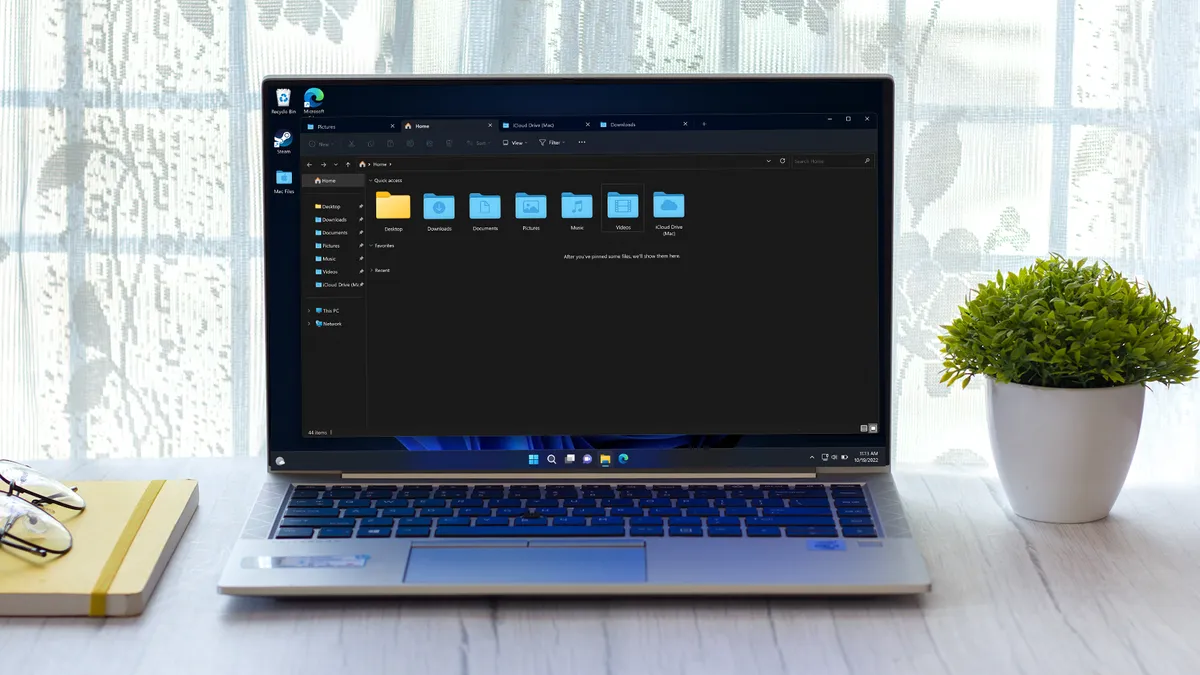
It's clear that Hanselman feels compelled to put some folks in their place here, and fair enough, these are valid points he's making, and there is a general vibe towards shooting down whatever Microsoft's trying to do, which is unfair.
However, I think the Microsoft executive needs to be somewhat mindful of where much of this flak is coming from – namely, many years of Windows 11, where people have felt they haven't been listened to, with Microsoft botching a number of fixes for the OS.
I've written many times about how faith and trust in Microsoft have been eroded over the past couple of years (well, going back way before that, really, but this has been especially true in recent times). And this kind of reaction is a symptom of that.
But yes, granted, it can't feel good to have many of the ideas that you have for fixing Windows 11 being shot down in a general atmosphere of 'let's see Microsoft mess this one up'.
On a broader level, some critics aren't directly criticizing Low Latency Profile, but rather they're saying that it's more of a band-aid that doesn't address bigger issues with the likes of core Windows 11 apps (notably the web-based efforts) running sluggishly. Or indeed issues around general resource mismanagement in Windows 11 – although overarching performance improvements are something that's on Microsoft's fix list, of course.
In short, there is a lot of fixing to be done with Windows 11, and Microsoft has to start somewhere. From where I'm sitting, the general attitude so far from Microsoft has been impressive, though, in terms of implementing some important fixes quickly and engaging with the community.
I feel the critics do need to give Microsoft more time and a chance, but at the same time, I realize how some frustrations run pretty deep with Windows 11 – and Windows 10 before it, for that matter – and Microsoft only has itself to blame for that.
One key question for me, though, is simple: why didn't Microsoft include this CPU trick in Windows 11 in the first place? Or at least start developing it as a performance fix at an earlier date, given that all other contemporary desktop platforms make good use of similar features.
The answer is likely bound up in solving power-efficiency and battery life issues – and that remains a concern about this feature now. Sources inside Microsoft have already said that any battery longevity impact will be minimal, mind, and it's likely that with the huge battery life levels we're seeing with some modern laptops, this gives Windows 11 more room to breathe anyway.
Interestingly, another observation Hanselman makes is that Low Latency Profile is going to work particularly well with Windows 11 laptops that have Arm-based (Snapdragon) chips, which are better suited to shifting power states swiftly than AMD and Intel CPUs.

➡️ Read our full guide to the best laptops
1. Best overall:
Apple MacBook Air 13-inch M5
2. Best budget:
Apple MacBook Neo
3. Best Windows 11 laptop
Microsoft Surface Laptop 13-inch
4. Best thin and light:
Lenovo Yoga Slim 9i
5. Best Ultrabook
Asus Zenbook S 16

Follow TechRadar on Google News and add us as a preferred source to get our expert news, reviews, and opinion in your feeds.