


AI tools went mainstream in 2025, but they were hardly static. New models and features gave rise to all kinds of trends, fads, and fashions. The more durable or notable trends have had a real impact on my life, sometimes in obvious ways and sometimes in ways I only notice in retrospect.
Here are some of the best and worst, or at least annoying, ways AI trends have affected me this year.
1. I now double-check every realistic AI photo

Until recently, spotting an AI-generated photo took me no time at all. I didn't have to check for a watermark; it was just always obvious. But as AI image generators became more and more powerful this year and people became better at prompting them to mimic reality, I sometimes need a few seconds, or sometimes more than a few, for particularly good ones.
Perfect sunsets at fictional beaches and headshots of people who don't exist can be very tricky. It means if I have any doubt, I can't just look for obvious signs of synthetic origin. I have to check shadows, the folds of clothing, and other subtle indicators.
It's only because I am constantly checking AI trends that I realized the technology had reached a point where I couldn't always assume I was perfect at telling AI-generated images from real photographs. I couldn’t trust my instincts anymore because the visuals are too good to spot when scrolling past quickly.
I haven't had any noticeable confusion with AI videos yet, but I wouldn't be surprised if I need to double-check films soon, too, especially on social media. To be fair, most AI image generators include a little mark indicating AI was used, but not all of them, and it's easy to crop it out. I wouldn't say I'm paranoid about it, but vigilant skepticism feels appropriate.
2. Online writing has a trust issue
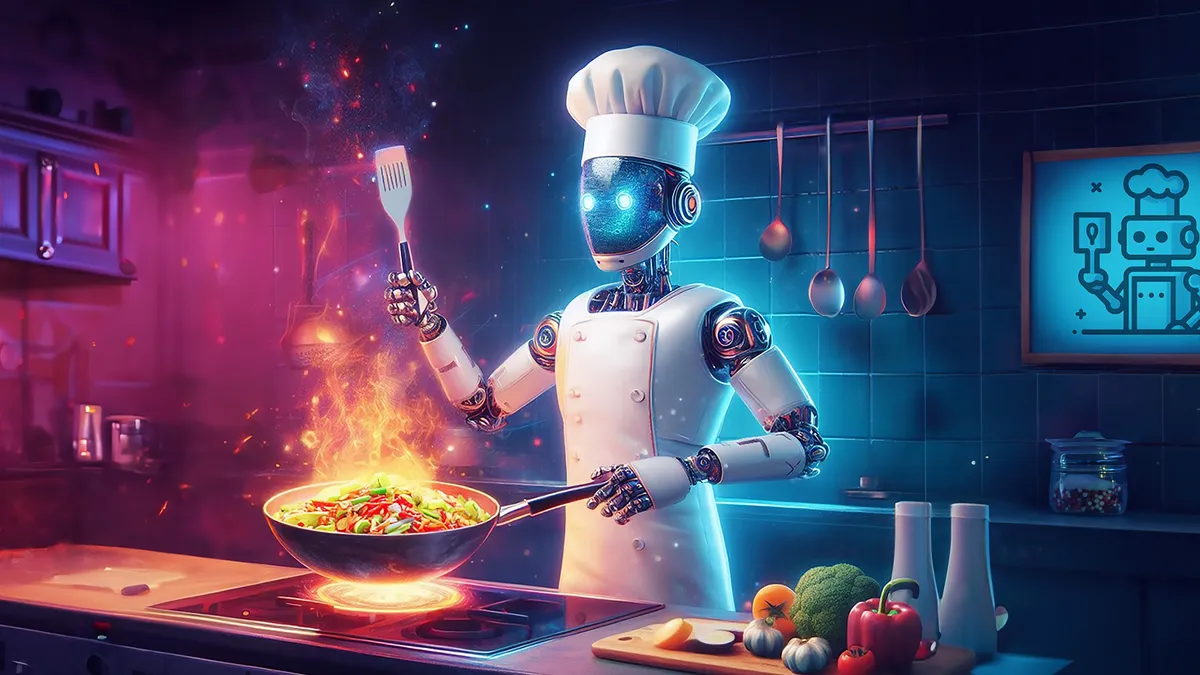
The trust issues aren't limited to images. You might have noticed the proliferation of "AI slop" in blog posts and articles of all sorts. Some of the more glaring issues are evident in recipes. The average reader can no longer assume authenticity based on surface polish alone. Churning out content is easy with AI, but that doesn't make it good. And unvetted advice on everything from cooking to home repair can be a real pain.
It's worth digging deeper, especially if you spot any of the telltale signs of unedited AI-generated content with no identifiable voice or history. Now, if a post doesn't link to a real human, cite real sources, or include comments from people who have tried the thing being described, I get suspicious. I still use the internet constantly, but I no longer assume that what I’m reading was written with care by actual humans, no matter what is claimed. Whether AI tools learn to carry metadata tags indicating human authorship is still an open question. Still, until then, I’ll continue to validate everything I read against trusted sources and real‑world testing.
3. I finally stay organized using AI audio tools
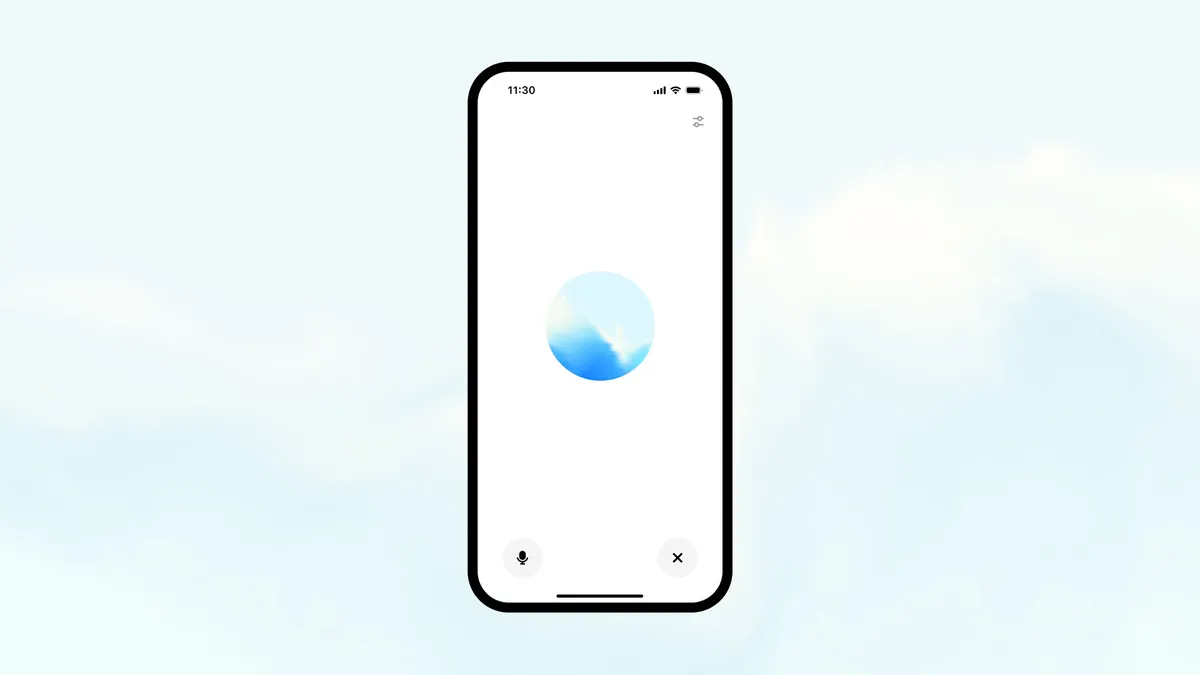
ChatGPT's advanced voice mode was one of the many features I tested as soon as it became available. OpenAI claimed the vocal conversational feature was as good as talking to a person and was more flexible than simply transcribing a written response. Testing it as an assistant for chores around the house, I discovered it actually worked quite well as an organizer. I could simply narrate items I was putting away in the closet or which shelf and drawer in the freezer I was putting away groceries, and ask for a spreadsheet of everything I described. Then it was simply a matter of referring to it as I added, removed, and reorganized things around the house.
I would say things like, “The winter coats are in the hall closet, second shelf, next to the board games,” or “The peanut butter is in the pantry, behind the cereal,” and see a sheet with everything I said, ready to export to Google and share with my wife.
I used to waste so much time looking for stuff I swore I’d put in a "smart place." Now I can either look at the spreadsheet or just ask the AI. It has made a real, tangible difference in my day-to-day life. And it feels like the best version of AI: quietly helpful, never intrusive, built around my habits instead of imposing its own.
4. I rarely need human customer service anymore
I used to groan when a customer service chat window opened with a bot, or when a phone call dropped me into a labyrinth of confusing robotic responses that apparently found my accent confusing. At best, they were all painfully limited.
They offered canned responses, misunderstood basic requests, and made every issue worse before finally admitting defeat and handing you off to a human. But the AI-fueled bots deployed in most cases now don't make me rush to dial a human operator.
Now, I expect the bot or synthetic voice on the phone to solve my issue. And it usually does. There are still cases where I need to speak to a person when the underlying problem is more complex than even the best AI could grasp, but they're rare. I’ve grown comfortable with the efficiency.
Of course, I hope there are real people available if needed, because when the AI can’t help, it means something is really wrong.
5. I stopped using em-dashes while writing
I’ve always liked using em-dashes. They have style and give a nice rhythm to complex sentences. Unfortunately for me, AI models like them too, and to a far greater extent than I do. The em dash became one of the most well-known stylistic markers of AI-written content this year. It has become the pause of choice for AI models, unaware of how to break up sentences or use semicolons.
Paranoid of unfair accusations around my own writing, I've all but eliminated the em-dash from my punctuation. I get creative with my grammatical structure to avoid it. I shorten sentences, or even resort to parentheses, when I feel the urge to use an em dash. It's a small but annoying change in my life precipitated by AI, and one I definitely did not anticipate a year ago.
Other ways of writing that are perfectly fine are, according to some sticklers, also only used by AI, and I suspect I'll have to be prepared to make more adjustments to my composition style in the year to come.
Follow TechRadar on Google News and add us as a preferred source to get our expert news, reviews, and opinion in your feeds. Make sure to click the Follow button!
And of course you can also follow TechRadar on TikTok for news, reviews, unboxings in video form, and get regular updates from us on WhatsApp too.

➡️ Read our full guide to the best business laptops
1. Best overall:
Dell Precision 5690
2. Best on a budget:
Acer Aspire 5
3. Best MacBook:
Apple MacBook Pro 14-inch (M4)
