
 Become a TechRadar Insider





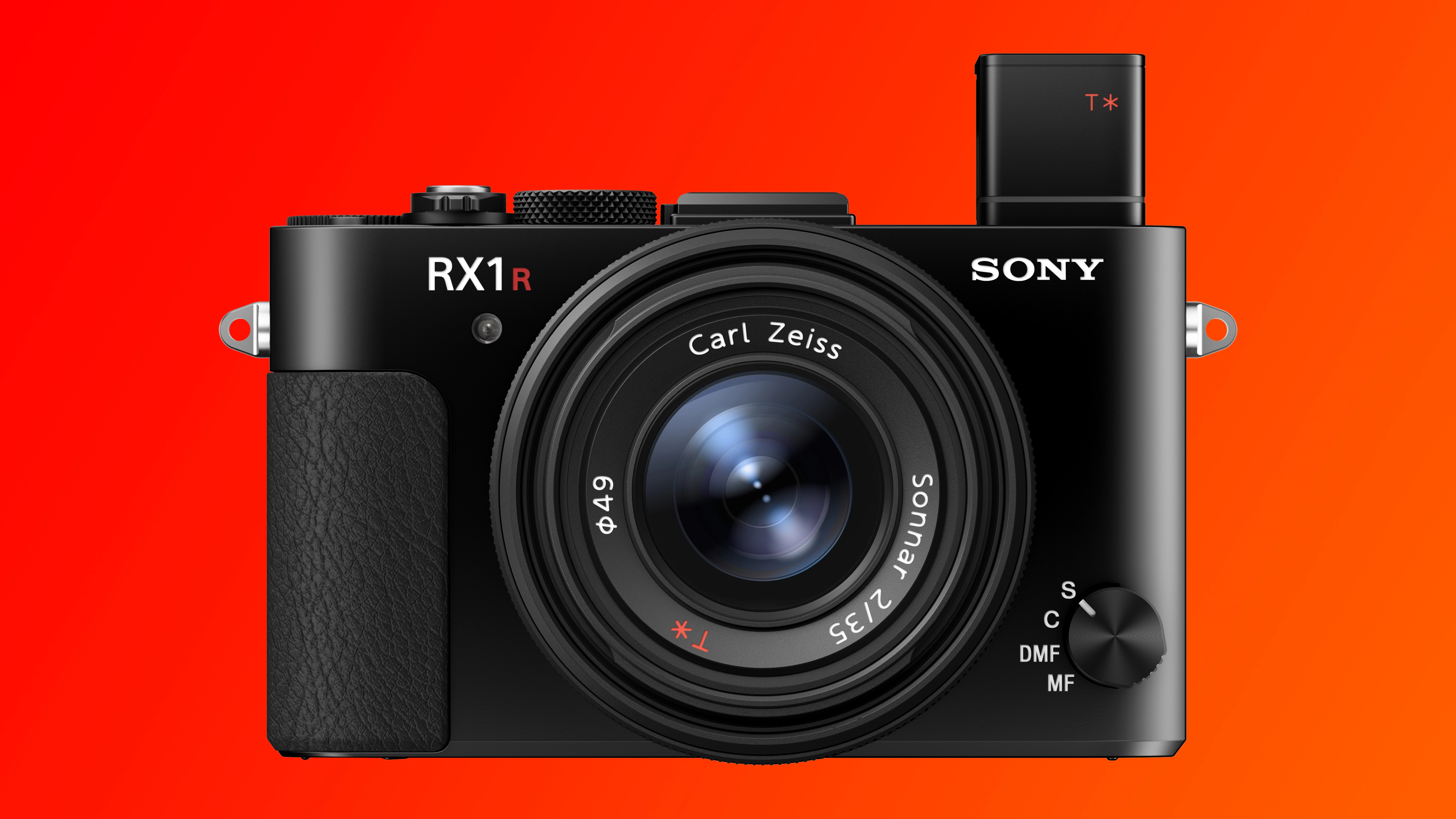
Sony has been killing it with its A7 mirrorless camera systems and now all the benefits of its full-frame sensor technology are trickling down to a new RX1-RII compact camera. It's a top-quality model with a price to match, but Sony says it 'delivers the highest picture quality of any Sony compact camera ever made'.
Heralded as the Sony RX100 Mark IV's bigger full-frame brother, the RX1-R II sports a 42.4-megapixel back-illuminated sensor, just like Sony's flagship A7R Mark II. That's a mind blowing number of megapixels for a camera this small.
Like the Sony full-frame champ, the RX1-RII supports a native sensitivity range of ISO 100-25600, (expandable to ISO 50-102400) and 14-bit raw image capture. Additionally, the new model features a fixed Zeiss Sonnar T* 35mm f2 lens and a new pop-up OLED electronic viewfinder.

The addition of a viewfinder fixes one of the complaints made about its predecessor, which did not have one built in – though you could get an optional EVF that clipped to the top of the camera. The viewfinder in the RX1R II should make it much easier to use the camera in bright light as well as pleasing traditionalists who like to hold the camera to their eye rather than at arm's length.
Sony has also upped the number of focal-plane phase-detection AF points to 399 that effectively cover about 45% of the image area. Sony claims this updated model is 30% faster on the autofocus draw compared to its predecessor.
Sony's other big claim to fame is this compact camera comes with the world's first variable optical low pass filter. Normally cameras come equipped low pass filters (otherwise known as anti-aliasing filters) to help eliminate moiré patterns that crop up when capturing a scene or object with repetitive details such as lines and dots.
However, in the last few years, manufacturers have been taking out these filters for sharper and more detailed images. Now that the RX1-RII comes with the option to turn up or completely remove the AA filter's effects, it gives photographers the best of both worlds.
Later this November, the Sony RX1-RII full-frame compact camera will be available in the US for $3,300 (about AU$4,540). It will arrive in the UK in December 2015 at a price of £2,600.
- Will it make the list for our best compact cameras?
