





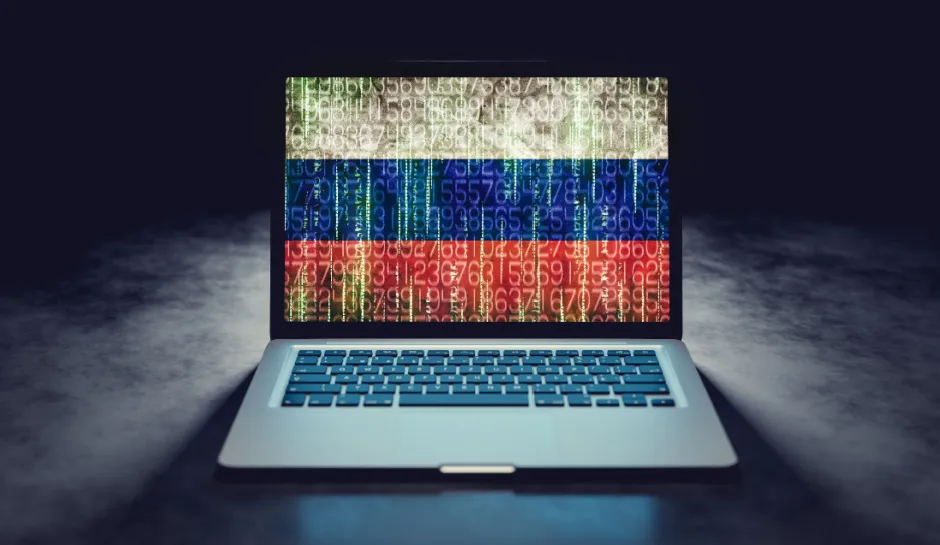
- A Russian official has announced plans to "reduce VPN use" in the country
- The move includes new blocking obligations for websites and fees for users
- Russia's ongoing "great crackdown" is also targeting Telegram
Russia has unveiled a new strategy to prevent citizens from using VPNs to bypass state-mandated blocks, including those impacting the popular messaging app Telegram.
In a letter shared on the state-controlled MAX app — originally reported by Reuters — the Minister of Digital Development, Maksut Shadaev, said that the government's "task is to reduce VPN usage."
Shadaev’s announcement also confirmed plans to restrict access to several additional foreign platforms, though the minister did not confirm which services would be affected.
Russian news outlet Kommersant reports that major digital platforms will soon be required to block users identified as using a VPN. Failure to comply could result in a platform being removed from the country’s "whitelist" — an official registry of approved websites accessible to the Russian public.
According to Forbes Russia, Shadaev also met with major telecom operators to discuss the introduction of a fee for VPN usage. Specifically, the government is considering a surcharge for users who exceed 15GB of international data per month.
During these discussions, Shadaev reportedly weighed the possibility of introducing administrative penalties for using circumvention tools, although sources told Forbes the minister expressed hope that such punitive measures could be avoided.
These developments follow news that Apple has removed several custom VPN clients from the Russian App Store at the request of the state’s media regulator, Roskomnadzor.
As of January 2026, data from Kommersant suggests Roskomnadzor has already restricted more than 400 VPN services in Russia, representing a 70% increase compared to autumn 2025.
Inside Russia's "great crackdown"

While the internet in Russia has long been under tight control, the Kremlin has significantly increased control in recent weeks.
Unnamed foreign diplomats in Russia have labelled the events "the great crackdown," with residents in Moscow and St. Petersburg losing mobile connectivity entirely over the past fortnight, while public Wi-Fi hotspots across both cities have faced severe throttling.
The turning point started with the state's blocking of Telegram. As one of the final major platforms still operating relatively freely in the country, Telegram boasts an estimated 95 million users in Russia.
This massive reach is why the blocking campaign has drawn unprecedented criticism from a rare coalition of the public, military officials, and even high-ranking politicians, according to reports from the New York Times.
However, Putin shows no signs of backing down. In February 2026, the Russian Parliament passed a law granting the Federal Security Service (FSB) the power to order targeted communications shutdowns at will.
While using a Virtual Private Network (VPN) is not yet technically illegal, the trajectory of the Kremlin’s digital policy is clear. And with it, the battle against VPNs looks set to intensify.
Follow TechRadar on Google News and add us as a preferred source to get our expert news, reviews, and opinion in your feeds. Make sure to click the Follow button!
