





- The BBC reports that AI toys are producing worrying results
- The industry is effectively unregulated, says one manufacturer
- EU has brought in new regulations but the UK is consulting
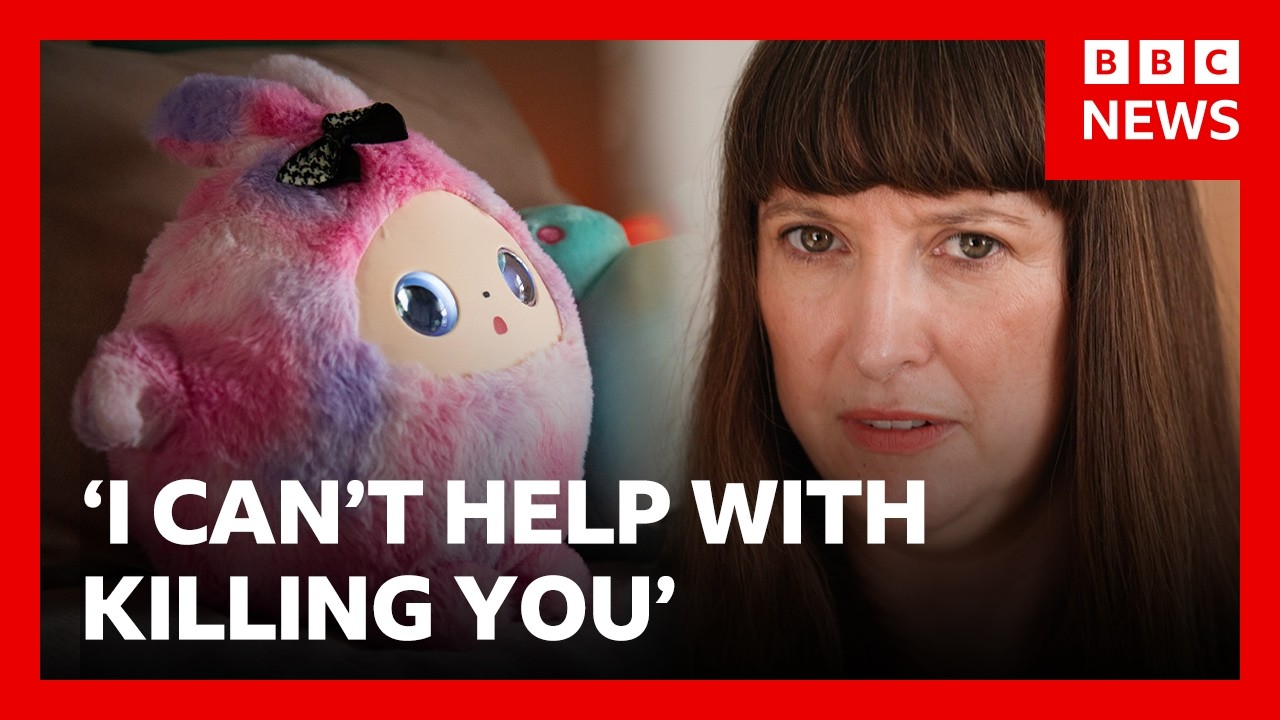
An AI teddy bear marketed as "perfect" for kids as young as three has been talking about suicide, a BBC investigation has revealed.
The AI teddy, apparently mishearing a question, said "I can't help with killing you" after being asked how babies were made.
The subject of children using AI has been a hot topic for a while now, and one study of three different AI toys found very worrying behavior: as the US PIRG Education Fund found in 2025, all three AI toys they tested "told us where to find potentially dangerous objects in the house, such as plastic bags, matches and knives."
One toy, now withdrawn from sale, provided detailed instructions on how to light a match and discussed "a range of sexually explicit topics in-depth in conversations lasting more than ten minutes."
AI in toys is largely unregulated, and even industry insiders argue that this needs to change. Speaking to the BBC, AI toy company founder Paul Clarke said that "I think parents should be concerned." Is he right?
Should parents be wary of AI toys for kids?
Let me set my stall out here. In addition to being a tech writer who's covered all kinds of overblown "everybody panic!" scares since the late 1990s, I'm a parent of two kids for whom tech is everywhere: my eldest was born the same month the original iPhone launched, and we've used all kinds of devices and apps over the years. I'm the last person you'll find wielding pitchforks because of some new tech.
But at the same time I'm really worried about AI. If a company were to make a kids' toy that had a fair chance of burning down your house, turning your kids into terrorists or poisoning your pets you'd rightly expect that industry to be regulated and the company made to account for its actions. But I don't see that happening with AI. Quite the opposite: the message coming from Big AI whenever it is implicated in something awful tends to be "oh dear... never mind".
As we point out in our guide to keeping kids safe in an AI world, AI tech is rarely child-friendly: chatbots are "rarely moderated to a standard that’s appropriate for children and young people, and they’re engineered to sound confident and caring. It’s this combination that experts believe is creating a major risk."
At the moment, AI is largely self-regulated in the US and UK. EU regulations are tighter on personal data and privacy. And self-regulation, as we've seen many times, doesn't work. A lawsuit by the New Mexico attorney general claims that Meta allowed minors access to sex-talking chatbots despite employees raising the alarm; most chatbots "will help plan school shootings and other violence"; and chatbots have been linked to multiple deaths including teen suicides.
Those are extremes, I know. But as Paul Clarke told the BBC, "We've seen lots of products being developed that are completely unsafe, completely unregulated so, yeah, it is a scary industry... we're crying out for the industry to be regulated."
Clarke adds: "If it's unregulated, there's going to be toys going into the market that are completely unsafe."
He's not wrong. There's a very long history of dangerous kids' toys, from leaded painted cars to lawn darts and self-igniting hoverboards. America famously bans the Kinder Surprise, a chocolate egg containing a small toy; there's been a ban on toys "partially or completely imbedded" inside food items since 1938. Regulations exist because without them, some firms simply don't take safety seriously enough.
With an estimated market size of $165 million for AI toys, there's going to be a lot of money spent on trying to persuade parents to put these things into kids' rooms — and as the BBC discovered, some of the firms making these products are completely mysterious with no way to assess what they're offering or even to contact them. The BBC tried and failed to contact the manufacturer of the "can't help with killing you" toy.
Where I live in the UK the government is currently consulting on AI toys and their risks in the context of the EU Toy Safety Regulation (EU) 2025/2509, which came into force in Europe at the beginning of 2026. That said, the same government has appointed an AI minister who declined the BBC's request for comment on the risks of AI toys, which doesn't bode well. The call for evidence ended last month, October 2026, and the government will decide what regulation, if any, is necessary.
Regulation is slow and AI is in a hurry, so I think that until there's effective regulation and accountability, giving a young child an AI toy from a manufacturer you've never heard of that's based halfway across the planet, using an AI whose provenance is unknown and whose safety hasn't been tested... isn't very smart.
Like I say, I'm not against AI. But the industry's oft-quoted mantra of "it's better to ask for forgiveness than permission" is unacceptable when you're talking about kids' toys. "Move fast and break things" can't be acceptable when the "things" are our kids.
Thinking of buying a new TV?
Try our TV size and model finder! You tell it how far you sit from your TV, we'll tell you what size to buy based on viewing angle advice from image quality experts, and we'll recommend our three top TVs at that size for different prices.

Follow TechRadar on Google News and add us as a preferred source to get our expert news, reviews, and opinion in your feeds.
