





- The RAM crisis has forced Microsoft to put up price tags on Surface laptops
- These hikes are across the board, with increases of up to $500 in the US
- Samsung Galaxy phones and tablets also received some hefty price increases
A fresh round of price hikes on hardware, namely Microsoft's Surface devices alongside Samsung's Galaxy smartphones and tablets, is the latest blow dealt to consumers by the RAM crisis.
Windows Central noticed that prices for Surface laptops have been hiked across the board at the Microsoft Store. Some of the worst price jumps here mean that baseline devices have been increased by an eye-watering $500 in the US.
For example, the Surface Laptop 13.8-inch started at $999 when the device first emerged in 2024, but it's now $1,499 (with 16GB of RAM — the same configuration as all these entry-level models).
If you want the 15-inch model of this notebook, you'll pay $300 more than at launch, with an outlay of $1,599 (which isn't as much of a leap, but still a nasty increase).
Turning to the Surface Pro 13-inch, that's been hiked by $500. The Surface Pro 12-inch and Surface Laptop 13-inch haven't been hit quite as hard, but are still $250 and $300 more expensive, respectively, for the entry-level configuration.
A top spec Surface Pro 13-inch with 64GB of RAM and a 1TB SSD will lighten your wallet to the tune of $3,649.
Expect equivalent hikes in other regions, no doubt, and these new prices will be coming to other retailers selling Surface products, as you might expect.
Microsoft told Windows Central: "Due to recent increases in memory and component costs, Surface is updating pricing on Microsoft.com for its current‑generation hardware portfolio. We remain committed to delivering value to customers and partners while upholding our standards for quality and innovation."
Meanwhile, Phone Arena reports some price hikes on certain models of Samsung's Galaxy smartphones and tablets, which have just quietly come into play in the US.
The Galaxy Z Flip 7 variant with 512GB of storage has been upped in price from $1,219.99 to $1,299.99, with the Galaxy S25 Edge (512GB) also getting bumped from $1,219.99 to $1,299.99. Furthermore, the Galaxy S25 FE has had a price hike from $709.99 to $749.9 (in this case for the 256GB model).
As for Samsung's tablets, price increases have been actioned for Galaxy Tab S11, Tab S10, and Tab A11 models in the US. That includes hikes of $100 to $200, or even close to $300 in some cases (the Tab S11 Ultra with 1TB is up from $1,619.99 to $1,899.99).
Analysis: Samsung worries and Apple value
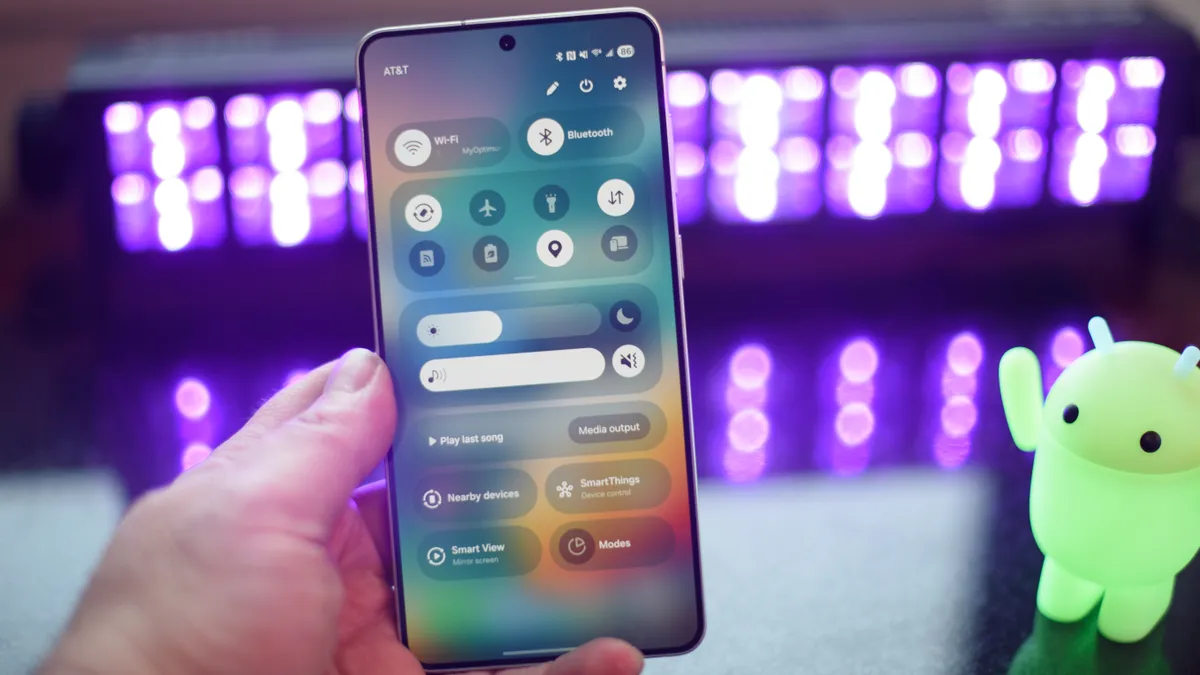
At least the price rises are relatively slight with the Samsung phones, although $80 is still a bit of a sting (the S25 FE at $40 is much more palatable). Compared to what's happened with Samsung's tablets, though, and the Surface range in particular, that's relatively insignificant. Also, Microsoft's increases are across the board, whereas Samsung has only hiked a few phones here (and not the entry-level products, either, crucially).
Still, this does come off the back of other Samsung phones and tablets getting pricier earlier this month (including the Galaxy Z Fold 7). Unfortunately, all of this points to further possible price increases from Samsung down the line.
As for Microsoft, the current-gen Surface line-up is great in many ways — the Surface Laptop 13-inch is still rated as the top Windows 11 device in our best laptop roundup — but these new prices really put a dent in the appeal of the range. Microsoft's devices are now a lot more expensive overall, and they hardly majored in affordability before, either (particularly not with beefier RAM and SSD configurations).
This is particularly bad news for Microsoft right now, because it makes Apple's MacBooks look a lot more tempting in terms of the value proposition versus a Surface purchase. Apple seems to be weathering this PC component storm in a more graceful fashion so far, and with the affordable MacBook Neo already threatening the dominance of Windows laptops, it could be a dangerous time for Satya Nadella's company, both on the hardware and software fronts.
As a Redditor observed in a thread where multiple people are mulling, or have already made, a macOS defection: "Perfect timing for Microslop, a month after Apple announced the Neo. What could they have been thinking? Apple is now the value brand, lol..."

➡️ Read our full guide to the best laptops
1. Best overall:
Apple MacBook Air 13-inch M4
2. Best budget:
Asus Chromebook CM14
3. Best Windows 11 laptop
Microsoft Surface Laptop 13-inch
4. Best gaming:
Razer Blade 16
5. Best for pros
MacBook Pro 16-inch (M4 Pro)
Follow TechRadar on Google News and add us as a preferred source to get our expert news, reviews, and opinion in your feeds. Make sure to click the Follow button!
And of course, you can also follow TechRadar on YouTube and TikTok for news, reviews, unboxings in video form, and get regular updates from us on WhatsApp too.