
 Become a TechRadar Insider





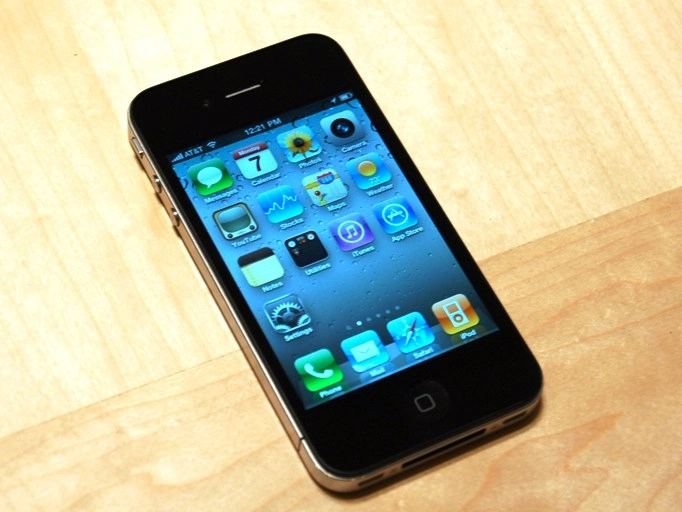
The iPhone 4 has reached its release date. Apple's latest smartphone will be available on networks big and small, and it's never been easier to compare each networks' price plans to make sure you get the very best deal.
Only kidding. It's the usual fiasco.
Let's ask T-Mobile how much its iPhones will be. "Our iPhones will be mumblemumblemumble," T-Mobile says. What? "Mumblemumblemumble". Things aren't much better at Three. Do you have any iPhones? "We'll tell you soon." How soon? "We'll tell you that soon." How much will it cost? "Oh no! I'm going through a tunnel! *click*"

Wouldn't it be great if all the networks just told the truth? How much will the iPhone cost? Too much! How many will you have in stock tomorrow? Not enough! When will you have more? Don't know!
We can understand the networks' desire to offer the best deals - Network A announces a tariff today, network B copies it, takes a pound off and stands on top of a milk crate bellowing "We are the iPhone kings!" - but keeping secrets isn't very customer-friendly when pre-orders have been going on for a fortnight.
By the time Three and T-Mobile finally announce their plans we're sure plenty of would-be customers will have signed up with their rivals, probably for contracts that cost a little bit more than they'd like to pay.
But maybe it's not that the networks are trying to outdo one another, or that they want to wait until they're sure they have the cheapest headline price for the iPhone 4.
Maybe it's that they're utterly incompetent. Too far-fetched? Don't count on it: we're talking about an industry where at least one firm thinks it's a good idea for iPhones to cost more on 24-month contracts than they do on 18-month ones.
Imagine if Tesco had the same attitude towards customer loyalty: every time you scanned your Clubcard, somebody would punch you in the face. Does that sound like a firm whose picnic has its full complement of sandwiches?
We've been here before, of course, and the lessons are clear: if you pre-order an iPhone or queue up for one on the day of release, unless you're buying SIM-free you're signing up for overloaded activation servers and quite possibly overpriced contracts, too.
Will your life really suck so much if you wait a few weeks for an iPhone that activates quickly, comes on your favourite network and is attached a reasonable tariff (don't answer that if you've just upgraded a 3G to iOS 4, slowing it to a crawl)? It's a smart phone, but it's even smarter to wait a bit before buying one.
-------------------------------------------------------------------------------------------------------
Liked this? Then check out iPhone 4: tariffs for UK buyers
Sign up for TechRadar's free Weird Week in Tech newsletter
Get the oddest tech stories of the week, plus the most popular news and reviews delivered straight to your inbox. Sign up at http://www.techradar.com/register
