





- Amazon has been hit with a new class action lawsuit for tethering old Fire TV Sticks
- It accuses the company of restricting vital software support, forcing users to upgrade
- The lawsuit also claims Amazon didn't disclose the true lifespan of Fire TV Sticks
Amazon has found itself at the center of a new class action lawsuit in the US, which claims the company has been quietly stopping software updates as a way to slow down older Fire TV Stick devices until they become unusable — all while advertising their ‘instant’ streaming features.
The lawsuit was filed by Californian plaintiff Bill Merewhuader, who accused the tech giant of ‘bricking’ its first and second generation Fire TV Stick models as a way to force users to upgrade to its more expensive options, as reported by Top Class Actions. Essentially, older models have been diminishing in functionality even though the hardware has been untouched, resulting in slow performances, lagging, and delayed responses.
What does the lawsuit allege?
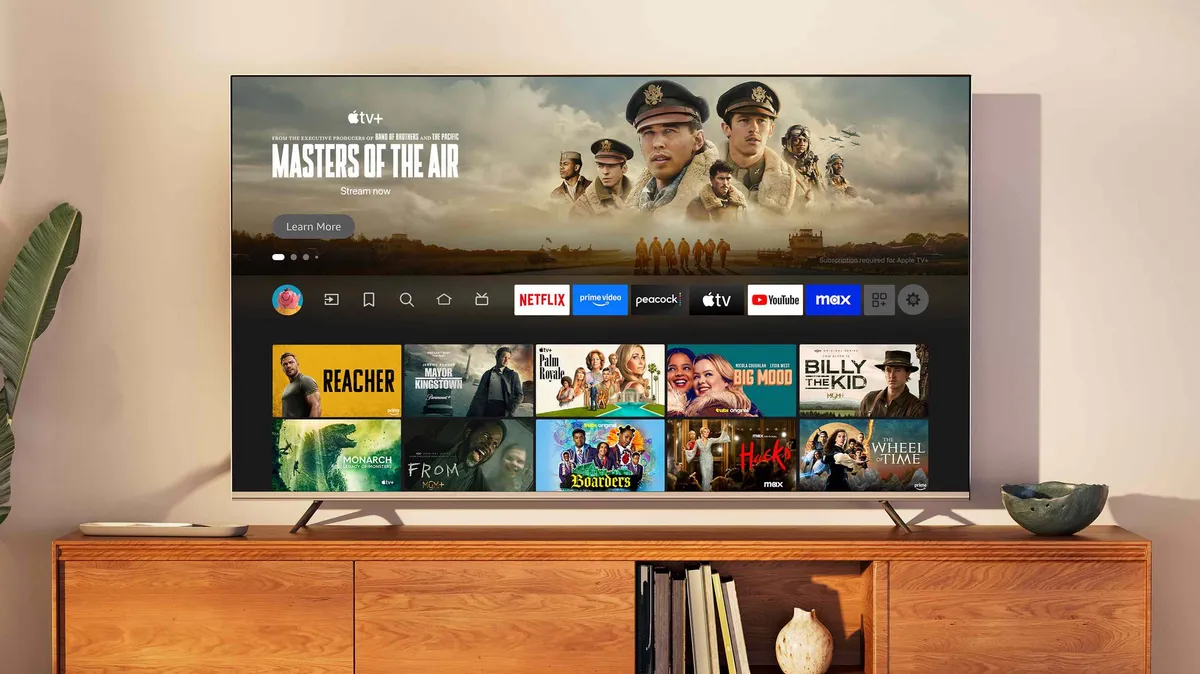
In his claim, Merewhuader accounts his own experience of purchasing two second generation Fire TV Sticks in 2018. He says he started experiencing performance issues just a few years into owning them, eventually feeling forced to upgrade to a newer, more expensive model in 2024 after the devices became unusable — effectively blaming Amazon for ‘software tethering’.
This refers to a device’s usability, which relies on software updates manned by the company that releases them to ensure a high level of performance. By stopping this support, companies can cut the lifespan of a device prematurely in order to force consumers to upgrade. Merewhuader has accused Amazon of doing this to the first generation device as early as 2022, ending support for the second generation shortly after despite Amazon’s claim that software support would continue until 2024.
Additionally, Merewhuader says Amazon never disclosed information that said software support could be discontinued, as the company initially marketed the devices as ones which offer ‘instant’ entertainment across a wide variety of content from the best streaming services — which the plaintiff says was the main reason why customers purchased the devices in the first place.
Overall, the lawsuit is centered on two things. The first being the act of software tethering and the second being the fact no one was told the truth about the devices’ lifespan, which risks jeopardizing user trust. As a result, Merewhuader is looking to take his case nationwide in hopes that Amazon will compensate users in his position while tightening laws to prevent future software tethering practices.
Amazon hasn't publicly addressed the lawsuit, but we'll update this story when we know more.

Follow TechRadar on Google News and add us as a preferred source to get our expert news, reviews, and opinion in your feeds.
