


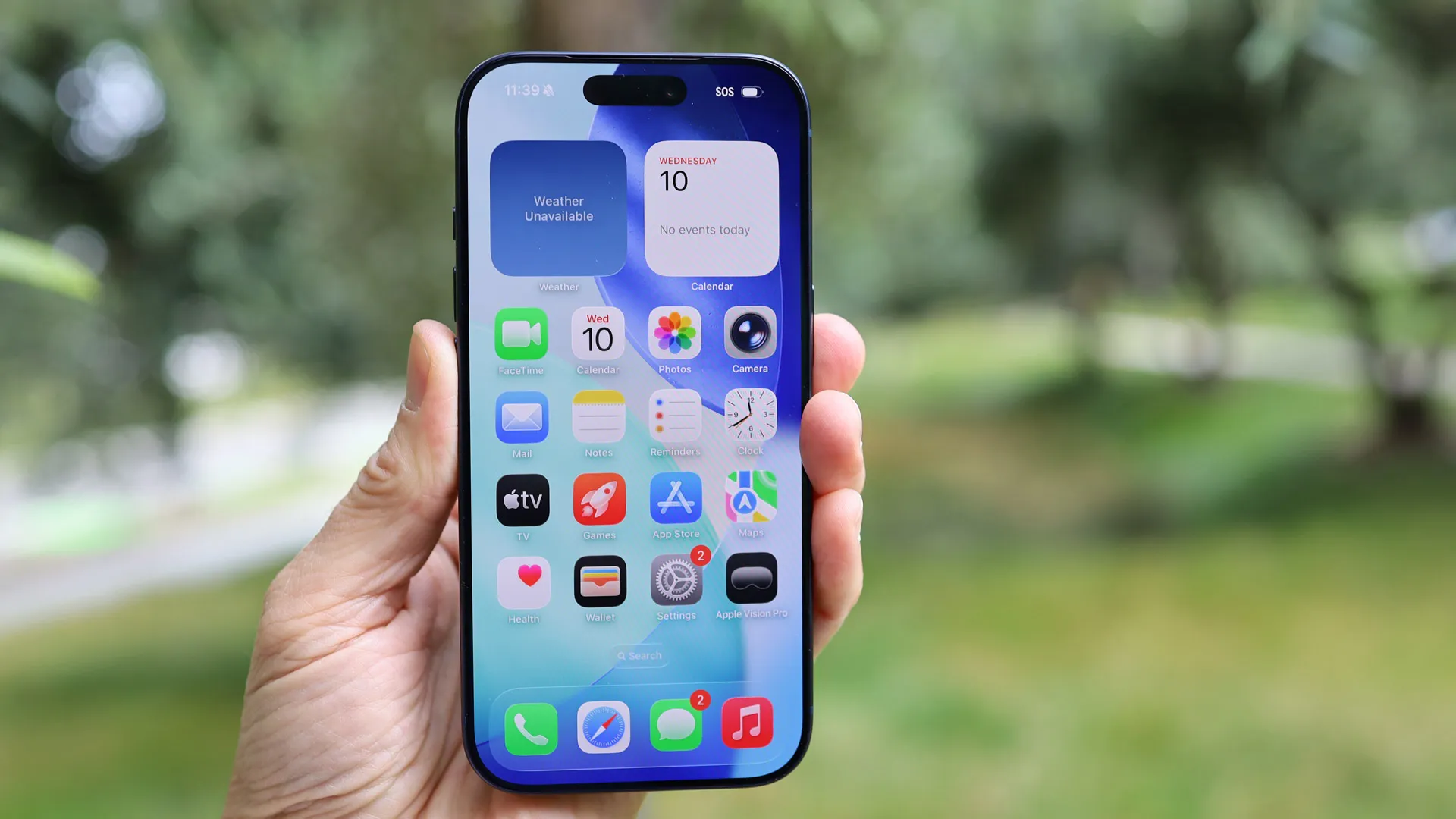
- Data suggests that only around 16.3% of iPhone users have iOS 26
- That's a far lower percentage than other recent versions had at this time in previous years
- This is likely because of dissatisfaction with Liquid Glass coupled with less pressure to upgrade than in the past
One thing you can usually count on with a new version of iOS is that most iPhone users will upgrade to it quite quickly. Unlike Android, where new software version roll outs can be a long, drawn-out period with different phones getting them at different times, all compatible iPhones get access to new iOS releases on the same day, so no one is left waiting before they can apply the update.
But despite that, a lot of iPhone users seem to be choosing not to download iOS 26 – or subsequent smaller releases like iOS 26.1 and iOS 26.2.
This is according to data from StatCounter (via MacRumors), which found that as of January 2026, 4.62% of iPhone owners were running iOS 26.2, 10.57% were running iOS 26.1, and 1.14% were running the original iOS 26 release. So combined, that’s roughly 16.3% of users on some version of iOS 26.
For comparison, at this time last year, roughly 63% of iPhones were running some version of iOS 18 (the previous major release) according to StatCounter, with around 54% running iOS 17 the year before that, and around 60% using iOS 16 back in January of 2023. So in all cases that’s far more than we’re seeing here.
It’s worth noting that this isn’t official data – StatCounter estimates these figures from web traffic analytics, but while it might not be completely accurate, the differences they’ve found between this year and previous years strongly suggests there’s a gulf in how keen people are to update.

An undesirable update
So why is that? Well we can only speculate, but there are a few possible reasons. For one thing, iOS 26 introduced a visual redesign dubbed Liquid Glass, which has been met with a mixed reception at best. So having seen this, many iPhone users might be holding off on updating, so they can stick with the old interface.
It’s also likely that some users are choosing to stay on iOS 18 simply because there’s less pressure to upgrade this year, as Apple is continuing to support this version with security updates.
Finally, there might just be little in iOS 26 that’s tempting people to upgrade. Liquid Glass aside there are quite a few new and improved features here, such as a new Apple Games app, a new Adaptive Power mode, and improvements to Apple Intelligence. But how compelling these features are is another matter entirely – and given the relatively slow uptake of iOS 26, it’s likely that some users aren’t very interested in them.
We expect the percentage of users on some version of iOS 26 will continue to grow, but this is a clear sign that Apple might want to think carefully about what it includes in iOS 27.
Follow TechRadar on Google News and add us as a preferred source to get our expert news, reviews, and opinion in your feeds. Make sure to click the Follow button!
And of course you can also follow TechRadar on TikTok for news, reviews, unboxings in video form, and get regular updates from us on WhatsApp too.