





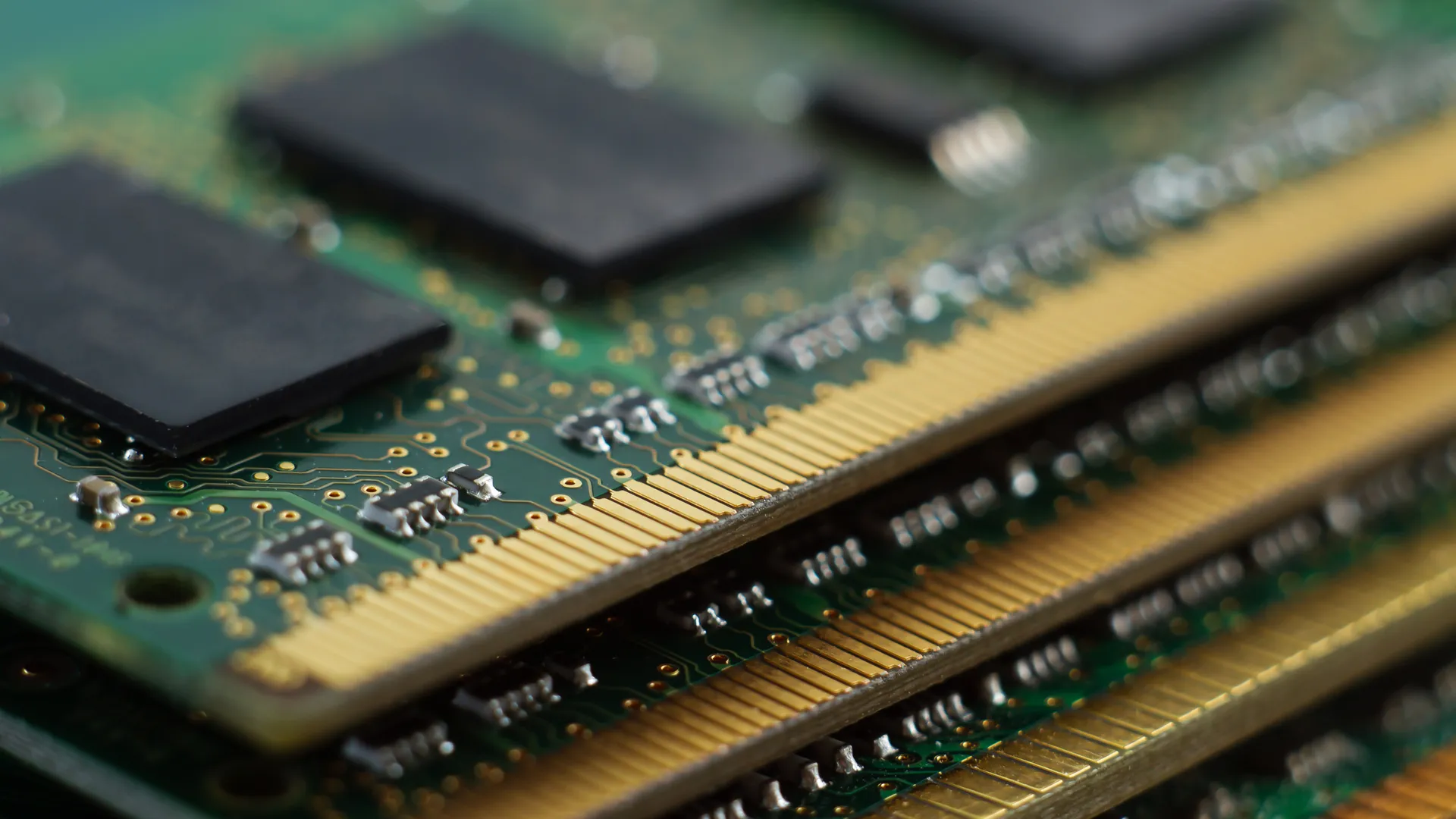
- A new report from TrendForce gives us some optimistic nuggets of info about the RAM crisis
- It appears that retail prices are dropping in the US, Europe, and especially over in China right now
- The bigger picture hasn't changed much, though, according to memory chip makers, but we can still hope this is the start of a turnaround – at least for consumers
If you were hoping for some good news on RAM pricing, well, there are some glimmers of light on the horizon – though obviously we'd be very foolish to get carried away with any optimism.
VideoCardz spotted various positive signals that mainly come from analyst firm TrendForce, which has a new report (based off a bunch of sources) about how RAM pricing is now falling.
That includes recent observations we've already reported on, such as the German retail market seeing a drop of 7% for DDR5 RAM price tags in March (echoed elsewhere in Europe). The report notes that this is being reflected elsewhere, too, namely in the US and Chinese retail markets, where it's happening in even more pronounced fashion.
Wccftech recently flagged up that a Corsair 32GB DDR5 RAM kit had dropped in price by 20% in the US, for example, and in China, 16GB sticks of DDR5 have fallen by something like 25% to 30% since hitting peak prices in January through to February (this is on "local e-commerce platforms").
32GB kits in China have also dropped by 15% or more, we're told, and Harukaze5719 on X points to a drop of the equivalent of $15 over the past weekend, noting: "The market is in turmoil as prices have fallen sharply in just one or two days."
And on top of all that, we're told that spot prices have dropped sharply in one of Shenzhen's major electronics trading hubs, with 32GB RAM modules falling in price by as much as a third in some cases.
Part of the reason behind this happening is that consumers are looking at now sky-high RAM prices – which, despite the noted falls, are still ridiculously expensive, certainly in the US and Europe – and just refusing to buy. This is an inevitable 'softening' of demand from consumers as TrendForce puts it.
In the bigger picture in terms of tech developments, we also have Google's TurboQuant which reduces the memory demands that AI makes. And as Hardware Canucks flags up on X, Sam Altman has supposedly gone back on big RAM purchase announcements made for OpenAI previously, and that does align with the firm scaling back its ambitions on multiple fronts (recall the recent pulling of the plug on Sora, too).
Analysis: a welcome drop at retail

So, what to make of all this?
On the one hand, TrendForce notes of Bai Wenxi, Vice Chairman of the China Enterprise Capital Alliance and Chief Economist for the China region (via Chinastarmarket.cn): "Looking further ahead, he expected the structural supply-demand imbalance to gradually ease, with DDR5 16GB module prices potentially normalizing by end-2026."
That is, presumably, referring to the Chinese market, and no other forecasts are calling that RAM pricing will stabilize this year – at all. Even the brighter predictions are saying this won't happen until 2027 at the earliest (and many reckon 2028, and others still believe that normalization won't occur until the end of the decade).
Additionally, TrendForce makes it clear that Taiwan-based memory chip makers are "broadly maintaining strict pricing discipline", so their profits are not dipping meaningfully (yet). TrendForce says: "Contract prices have so far held firm, and server-side HBM and DRAM demand has remained largely intact, with major suppliers reportedly locked into multi-year agreements with key clients."
This mainly appears to be a drop in prices at actual retail, then – although that's obviously great news for consumers, even if the big RAM hoovers out there on the commercial side aren't getting anything much of a break.
The report concludes: "On balance, the current DDR5 price correction appears to be a consumer-driven, short-term adjustment rather than a definitive signal of structural demand deterioration."
Still, I'll take that, and there's quite a little flurry of more optimistic predictions here, which are definitely welcome compared to the general highly negative vibe around memory price hikes. As ever, we need to watch the coming months, and keep our fingers crossed that retail prices keep going on this downward track.

➡️ Read our full guide to the best laptops
1. Best overall:
Apple MacBook Air 13-inch M4
2. Best budget:
Asus Chromebook CM14
3. Best Windows 11 laptop
Microsoft Surface Laptop 13-inch
4. Best gaming:
Razer Blade 16
5. Best for pros
MacBook Pro 16-inch (M4 Pro)
Follow TechRadar on Google News and add us as a preferred source to get our expert news, reviews, and opinion in your feeds. Make sure to click the Follow button!
And of course, you can also follow TechRadar on YouTube and TikTok for news, reviews, unboxings in video form, and get regular updates from us on WhatsApp too.