





- The chairman of a top memory chip maker has issued a worrying warning
- Chey Tae-won notes: "We need some time to build up more wafers, at least four to five years"
- That's a more pessimistic prediction than analyst firms are making
One of the top memory chip makers in the world believes that the RAM supply shortage and associated pricing crisis could last for the rest of this decade.
Reuters reports that Chey Tae-won, who is chairman of SK Group, made the depressing prediction that the RAM crisis might not be over until 2030.
Chey said: "So we need some time to build up more wafers, at least four to five years. The current shortage could continue until 2030, so we expect more than a 20% shortage of the wafers."
This refers to the wafers used to make memory chips, and a particular difficulty right now is that AI is creating a big demand for a certain type of RAM, namely HBM or high-bandwidth memory. SK Hynix, a division of the SK Group, is the main supplier of HBM to Nvidia.
Chey explained: "AI actually wants to have a lot of HBM, and once you make the HBM... we have to use a lot of wafers."
SK Hynix is one of the big three RAM makers in the world, the others being Samsung and Micron.
Analysis: a worrying prediction — but SK Hynix has a plan
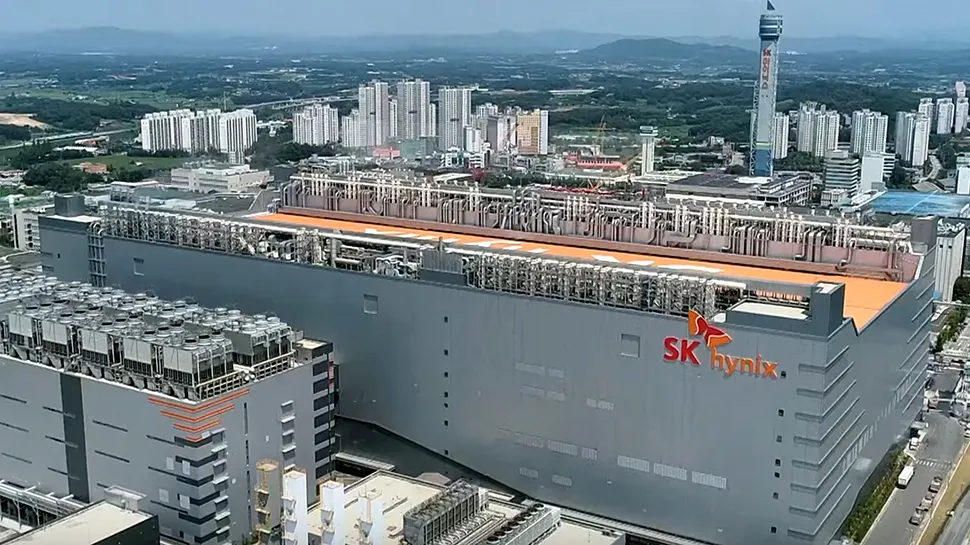
There's a lot of profit in selling this memory for AI usage — far more so than with consumer RAM, of course — and so priorities are skewed, and the latter is coming off worse.
Chey is forecasting that AI demand will continue to stretch supplies to the extent that it's going to take four years to build up production to keep pace with the required supply for the AI industry, as well as consumer products.
While we have witnessed predictions of the RAM crisis continuing until 2028, we've heard hints that it could be longer — and the SK Group chairman has certainly put a worrying extension on that timeframe here.
On a more positive note, Chey did also indicate that SK Hynix is formulating a plan to try to stabilize RAM prices. An announcement regarding that will come from the CEO, we're told, and hopefully it'll be forthcoming soon.
In the near-term, though, it's likely that the situation in the Middle East and its effect on energy prices won't make matters any easier for the supply chain in terms of the cost of getting RAM out there.
MSI just called 2026 the 'most challenging year since the company was founded' in terms of the knock-on problems the memory crisis is causing, and that's expected to impact the shipment numbers of the firm's budget gaming laptops.

➡️ Read our full guide to the best laptops
1. Best overall:
Apple MacBook Air 13-inch M4
2. Best budget:
Asus Chromebook CM14
3. Best Windows 11 laptop
Microsoft Surface Laptop 13-inch
4. Best gaming:
Razer Blade 16
5. Best for pros
MacBook Pro 16-inch (M4 Pro)
Follow TechRadar on Google News and add us as a preferred source to get our expert news, reviews, and opinion in your feeds. Make sure to click the Follow button!
And of course, you can also follow TechRadar on YouTube and TikTok for news, reviews, unboxings in video form, and get regular updates from us on WhatsApp too.