- Critics claim a competition-winning video was made using AI
- They cite unusual movements in the cells shown in the footage
- Contest organizer Nikon says it is investigating
Last month, a video depicting airway cells in motion in a child’s body wowed the world and took home first prize in Nikon’s annual Small World in Motion competition. Yet the footage might not have been all that it seemed, with Nikon now reportedly investigating whether AI played an outsized role.
The image in question showed a child’s airway cilia, which are tiny hair-like structures that protrude from cells. The video was captured at 100x magnification and was shot by Dr. Ning Xu of Tsinghua University in China, who said that “When people watch cilia beating, they immediately understand that something beautiful and important is happening inside us.”
As charming as that sounds, the video raised questions once it became apparent that it had taken home Nikon’s prize. Some scientists have questioned whether the motion seen in the video accurately reflects cilia movements, raising the idea that AI might have been used at some point.
And Nikon has since clarified its position. Commenting under its own post on LinkedIn, Nikon said that it was “carefully re-reviewing the information provided during the initial vetting, along with additional supporting materials from the entrant.”
It added that “Dr. Ning Xu is respectfully complying and has provided detailed technical documentation outlining the microscopy equipment, imaging methods, and processing techniques used to create the source video. We plan to update the Nikon Small World community next week.”
Claims of AI watermarks
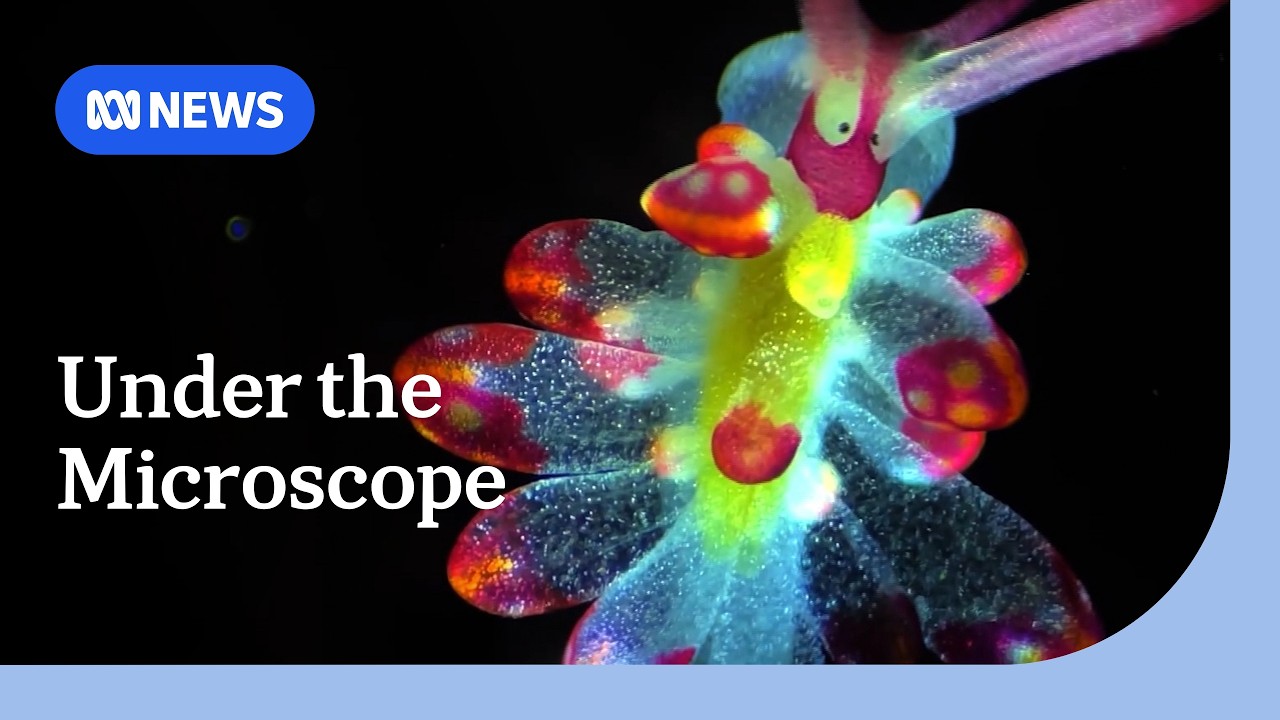
Dr. Xu has denied breaking the competition’s rules, saying on LinkedIn (via BBC News) that “AI was not used to generate the experimental movie, the cilia, or their motion.” However, they have conceded to using AI to “to distinguish and visualize features in the reconstructed grayscale images.”
Some critics have argued that the entry’s use of AI goes far beyond that, with claims being put forward that the cilia’s shapes do not fit with known behaviors and that the cilia appear to be too large.
Edward Phelps, Associate Professor at the University of Florida, said on LinkedIn that “There any many serious problems with this video,” for instance, with certain elements “popping in and out of existence and migrating between cells.”
What’s more, Ian Donovan a PhD student at UT Southwestern Medical Center, claimed to have uncovered “an embedded SynthID watermark identifying synthetic/AI-generated content.”
We’ll have to wait to see what conclusion Nikon’s investigation reaches, but it should perhaps not be surprising that, in the age of AI, remarkable images come under much more suspicion than they might have done in the past. AI or not, it’ll be fascinating to see what Nikon’s probe uncovers.

Follow TechRadar on Google News and add us as a preferred source to get our expert news, reviews, and opinion in your feeds.

➡️ Read our full guide to the best laptops
1. Best overall:
Apple MacBook Air 13-inch M5
2. Best budget:
Apple MacBook Neo
3. Best Windows 11 laptop
Microsoft Surface Laptop 13-inch
4. Best thin and light:
Lenovo Yoga Slim 9i
5. Best Ultrabook
Asus Zenbook S 16