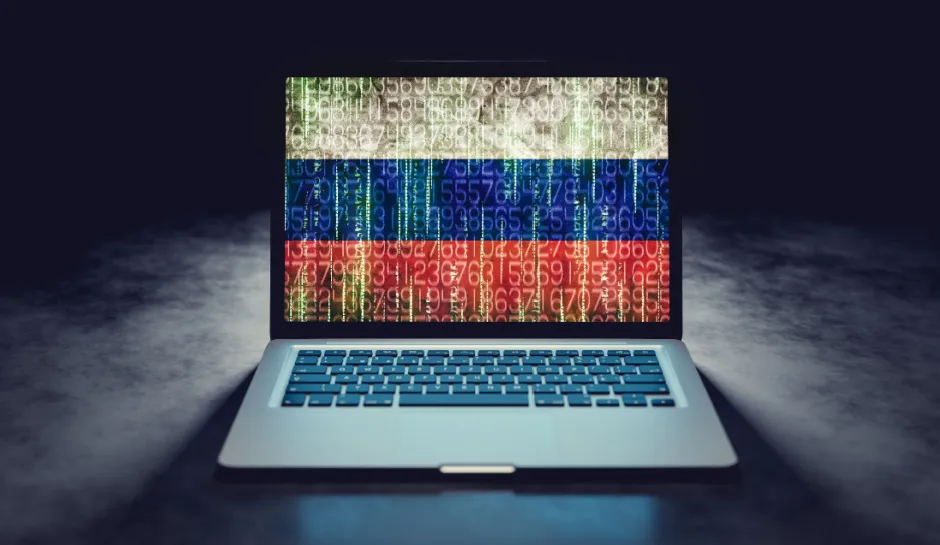
- Google, Apple, GitHub sites are inaccessible on Russian IP since July 14
- The state regulator, Roskomnadzor, denies blocking the webistes
- A reliable VPN remains the only way for citizens to bypass outages
Russian internet users found themselves locked out of crucial digital services on Tuesday, as widespread and unexplained outages knocked Google, Apple, and GitHub offline across the country.
The network disruptions, which began around 10:00 Moscow time, prevented anyone using a domestic IP address from reaching the websites. This sudden digital blackout is the latest hurdle for citizens trying to access the open web, making the use of VPN services an absolute necessity rather than just a privacy luxury.
According to data from Russian web monitor platforms Detector404 and Sboy.rf — as reported by Novaya Gazeta — the failure rates were staggering. The tracker noted that HTTPS connections to Google broke in 26% of cases, while connections to Apple sites failed 99% of the time.
The outages sparked over a thousand user complaints within hours, heavily concentrated in regions like Moscow, St. Petersburg, and Novosibirsk. Users quickly discovered that accessing the sites via a foreign IP address completely restored service.
Despite the highly localized nature of the blocks, Russia's telecommunications watchdog, Roskomnadzor, denied any state involvement. In a statement reported by the Moscow Times, the regulator claimed it did not restrict access to the affected platforms.
Regardless of the official explanation, the result is the same: the only way to restore normal access to these everyday platforms is by routing your connection through a secure, foreign server using a Virtual Private Network (VPN).
How a VPN helps and why VPN traffic is the next target

For anyone caught behind Russia's digital iron curtain, a VPN is a critical lifeline.
By encrypting your internet traffic and routing it through a secure server outside of the country, a VPN masks your real IP address. This effectively tricks the network into thinking you are browsing from a completely different location, allowing you to sidestep domestic censorship and load Google, Apple, or investigative news outlets as normal.
However, the Kremlin is well aware of this workaround, and the censorship landscape in the country is rapidly deteriorating. Russia's ongoing war against the open internet has increasingly zeroed in on the circumvention tools themselves, with Roskomnadzor wanting to block 92% of VPN apps by 2030.
The tactics go far beyond simple website bans. Earlier this year, Russian authorities ordered major mobile operators to disable the ability for users to top up their Apple ID balances via mobile phone accounts. This calculated move was designed specifically to stop citizens from paying for premium VPN apps through the App Store, compounding the payment difficulties created when Visa and Mastercard suspended operations in 2022.
Worse still, VPN traffic itself is now actively targeted. Roskomnadzor has heavily invested in deep packet inspection (DPI) technology to detect and block VPN protocols.
Over the past few months, the agency has throttled popular protocols like WireGuard and VLESS, creating a frustrating cat-and-mouse game for providers trying to keep their users online — the popular Amnezia VPN included.
Meanwhile, Russia continues to use DNS and DPI blocking to restrict YouTube, Telegram, and WhatsApp while aggressively pushing state-controlled alternatives.
As state control tightens, free access to basic tech tools is no longer guaranteed. If you are in the region, securing a tested, obfuscated VPN is the only remaining defense against an increasingly isolated Russian internet.
Follow TechRadar on Google News and add us as a preferred source to get our expert news, reviews, and opinion in your feeds. Make sure to click the Follow button!