





- The UK government wants tighter controls over facial recognition tech
- A public consultation finished earlier this year
- Privacy groups say the cameras are 'an indiscriminate tool'
UK policing minister Sarah Jones has committed to tighter restrictions on the use of live facial recognition (LFR) on the streets of Britain, saying that the technology — which scans and identifies faces in real time from police-operated cameras — will have new "parameters and principles" set by law.
As the BBC reports, the announcement comes after a public consultation on how LFR is used across the country. According to Jones, citizens "by and large" support the crime-fighting system, which has been trialled since as far back as 2015, but want more assurances around safety and privacy.
"For example, if I had an outstanding parking fine, I would not expect this technology to be used for that," Jones, who is the MP for Croydon West, told the BBC. "We have to use it proportionately. We have to use it in an intelligence-led way. And I think we also have to be clear that there will be some oversight."
The Metropolitan Police, which has been expanding its use of LFR in recent years, says the cameras have led to more than 3,000 arrests in the past two years. The tech is typically deployed in a mobile van, but there are plans to increase the number of fixed cameras in parts of the West End and Soho in the capital.
Real-time scanning and matching
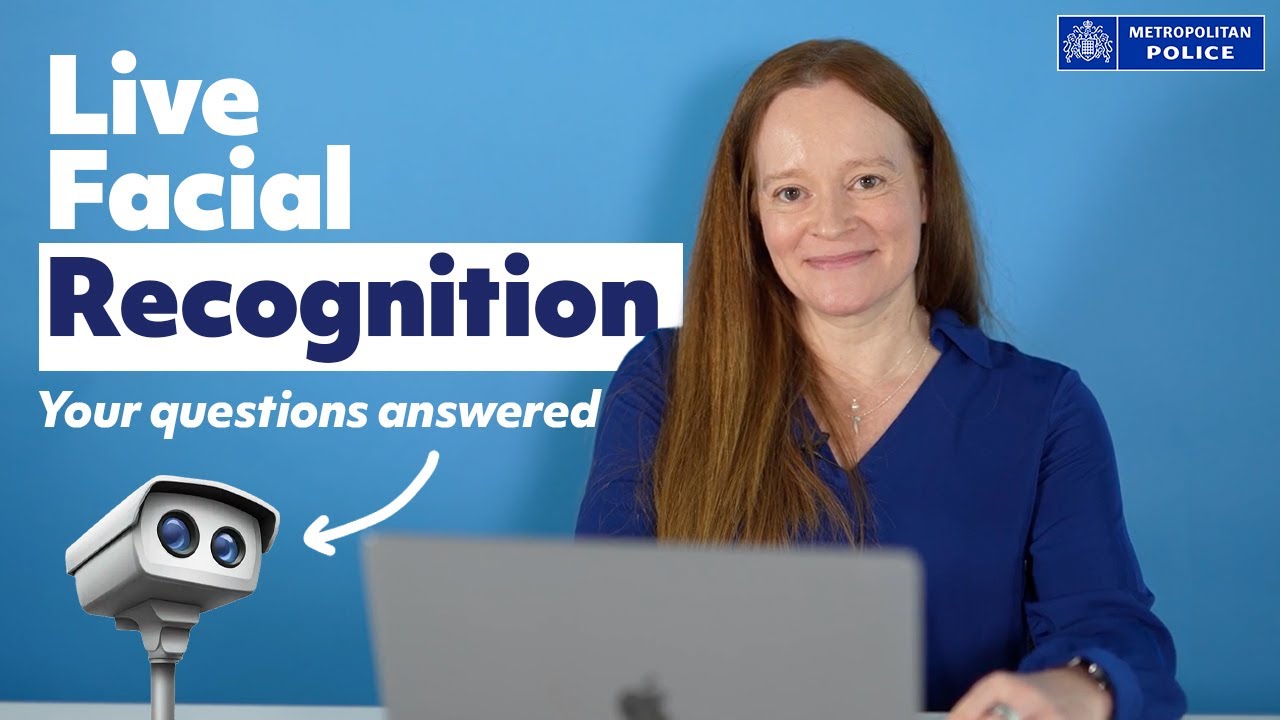
LFR works by scanning faces in real time, and comparing them to a police database of individuals — from missing people to wanted criminals. Every match still needs to be double-checked by a human, and for faces where no match is found, the data is immediately deleted, according to the police.
Representatives from privacy group Big Brother Watch have previously described the rollout of LFR tech to static cameras as an "alarming escalation of an intrusive technology" that scans the faces of millions of innocent people without permission. The police are advised to publicly advertise the use of LFR online, unless there's a "critical threat".
Jasleen Chaggar, senior legal and policy officer at the Big Brother Watch privacy group, told the BBC that the facial recognition technology was "an indiscriminate tool" that represented something "fundamentally un-British" — going against the presumption that you're innocent until proven guilty.
"Thousands of people have expressed their objection to the use of this technology and the government has sat on those responses for over six months," Chaggar said. "All the while, facial recognition has been rolled out in train stations and Tube stations and shops and supermarkets across the country."
In the US, similar surveillance systems such as those operated by Flock have come under fire not just for their default capabilities, but also for how they can be misused by police officers and others with access to the cameras — which is something else the UK public will no doubt want assurances about in the future.

Follow TechRadar on Google News and add us as a preferred source to get our expert news, reviews, and opinion in your feeds.

➡️ Read our full guide to the best laptops
1. Best overall:
Apple MacBook Air 13-inch M5
2. Best budget:
Apple MacBook Neo
3. Best Windows 11 laptop
Microsoft Surface Laptop 13-inch
4. Best thin and light:
Lenovo Yoga Slim 9i
5. Best Ultrabook
Asus Zenbook S 16
