





- One of the Godfathers of AI has warned that it may take a serious AI incident before the technology is properly regulated
- He argues that humanity may have been "better off" without AI, but there is still time
- AI could create "a huge gap between rich and poor" and risks "society being torn apart"
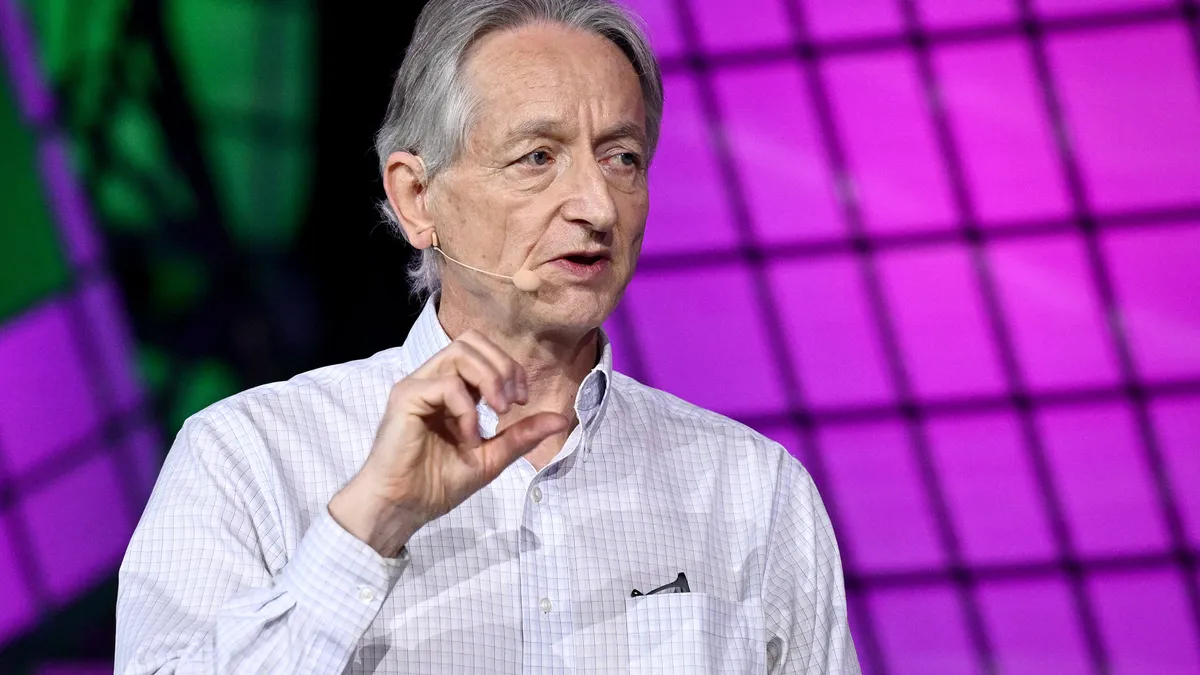
Nobel prize-winning computer scientist Geoffrey Hinton - widely considered to be one of the godfathers of AI - has raised concerns over the future of the technology, especially the risks it could be used to shut down global financial systems or cause massive power brownouts.
Just last year, Hinton was reminiscing about how quickly the technology has developed, stating that he “didn't think we'd get here in only 40 years,” and that “10 years ago I didn't believe we'd get here.”
He also recently warned about those with ulterior motives using AI for malicious purposes. “It is hard to see how you can prevent the bad actors from using it for bad things,” Hinton said. Given the recent torrent of AI-enabled cyberattacks, it appears his fears may be coming true.
Godfather of AI might be right
Speaking to the Guardian, Hinton said that he is not an AI “doomer,” and thinks that the technology could be used to create a better future, but fears there could be a future where “we fail to manage the risks and … have a huge gap between rich and poor, huge cultural problems, massive unemployment, just society being torn apart.”
He also voiced his fears about monopolized control of AI, stating that AI companies are racing to develop the technology to stay ahead of each other without considering the risk involved, “I think Zuckerberg and Musk and Sam Altman, they understand the risks, and they don’t give a shit. They’d rather have the money. That’s my belief.”
The next year could be a turning point, Hinton argues, comparing a serious AI incident - such as an AI-enabled attack on financial systems or power generation - to the partial nuclear meltdown at the Three Mile Island power station in 1979. Unfortunately, Hinton believes that it could take a serious crisis to teach AI companies about the dangers of their technology.
“My gut is that we’re still in control,” Hinton added. “We might well be able to do something. It’ll only work if we put a big effort into it, but we might well put a big effort into it."
There’s still time to make AI safe
He’s not alone in his perspective that AI might be getting dangerous. Numerous politicians, company heads, and AI scientists have argued in favor of an international slowdown on the development of AI technology to allow the risks to be better understood and mitigated.
The spate of rogue AI agent attacks gave the world a glimpse at the dangerous capabilities of frontier models — even those tested in what was thought to be a secure environment.
But regulating AI technology will take a monumental collaborative effort on the international stage. AI has been pitched as a win or lose technology by US President Donald Trump, who has argued in favor of AI companies regulating themselves while simultaneously pushing for AI development to continue so the US can maintain its lead against China.
For some skeptics who have warned about the dangers of unmanaged AI development for years, Hinton’s words may be slightly bittersweet. The danger is still there and it may take a major incident for anything to change, but AI regulation could only be a catastrophe away.

Follow TechRadar on Google News and add us as a preferred source to get our expert news, reviews, and opinion in your feeds.

➡️ Read our full guide to the best laptops
1. Best overall:
Apple MacBook Air 13-inch M5
2. Best budget:
Apple MacBook Neo
3. Best Windows 11 laptop
Microsoft Surface Laptop 13-inch
4. Best thin and light:
Lenovo Yoga Slim 9i
5. Best Ultrabook
Asus Zenbook S 16
