These days, Apple fans are pretty used to delays. Secret projects like Apple’s self-driving car were pushed back again and again until they were eventually scrapped, while the AirPower charger was teased on-stage before Apple threw in the towel. And don’t even get me started on the perpetually late Siri overhaul.
Apple is no stranger to overdue products, then, and the company had its fair share of them even during the halcyon days of Steve Jobs’ leadership. One example was the white version of the iPhone 4, which finally launched 15 years ago today — a full 10 months after the black edition arrived.
But aside from being a near-terminally delayed device, I have a theory that this product’s long and troubled history led to the iPhone launch cycle that we have today. And interestingly enough, it’s a cycle that could be on the brink of changing all over again.
What was the problem?
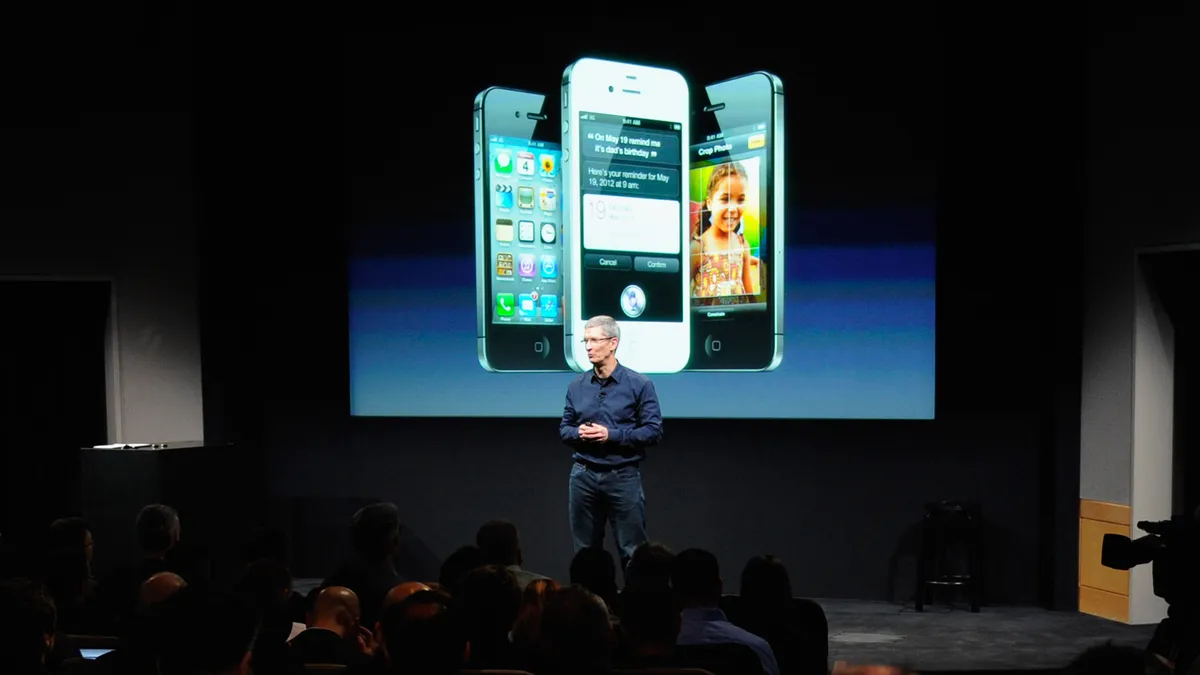
Apple unveiled the iPhone 4 on June 7, 2010, with preorders beginning on June 15. Yet by June 24, it was clear that something was amiss. Apple provided a statement declaring that the white edition was proving to be more “challenging to manufacture” than it had expected. The launch was delayed to the latter half of July — a date that looks wildly optimistic in hindsight.
In the end, the white iPhone 4 wouldn’t arrive until April 28, 2011 — 10 months and three weeks after the June 7 announcement.
So, what caused two versions of the same phone to be launched nearly a full year apart? After all, didn’t Apple just need to manufacture the iPhone 4 in a new color and leave it at that?
Well, not quite. You see, Apple itself was pretty confident during development that the white iPhone 4 would be essentially identical to the black one, just with a different colorway adorning its chassis. Speaking in April 2011, Apple’s marketing chief Phil Schiller said, “We thought we were there a year ago, or less than that, when we launched the iPhone 4, and we weren’t.” Describing the process as “challenging,” Apple was evidently as surprised as everyone else.
The problem lay in the phone’s camera, specifically how the camera reacted to the white chassis. Photos taken on the device tended to come out blurry, especially if the built-in flash was used. That’s something that wasn’t happening with the black version.
As it turns out, the fault lay in the iPhone’s proximity sensor, which became confused by the phone’s white shell. When the flash was used, it overwhelmed the proximity sensor, which prevented the iPhone from being able to accurately gauge the subject’s distance from the phone — hence the blurry images.
This issue wasn’t present in previous iPhones because they lacked a built-in flash, and they were absent from the black iPhone 4 because its darker case didn’t have the same effect. It might have been a problem with the silver iPad 2 that was released around the same time, but it too lacked a flash.
Somehow, all of this escaped Apple’s usually rigorous testing process. Under Steve Jobs, the company was known for its intense attention to detail and maniacal dedication to quality. So how on earth did it miss something as significant as this?
That’s what we don’t know. But 15 years ago, it was a large enough problem for Apple to push back the white iPhone 4 for close to 11 months. And that had a knock-on effect further down the line.
A lasting legacy

For one reason or another, Apple decided to drive on and fix the white iPhone 4 instead of consigning it to the scrap heap. But that presented another problem: its much-delayed release date.
At the time, Apple launched new iPhones in the summer. The iPhone 4 arrived in June, and every previous iPhone was unveiled in either June or July.
But with the white iPhone 4 finally stepping into the limelight in April 2011, that left just two months until the world would be presented with the iPhone 4S. That was a sizeable problem for Apple, as it risked both the white iPhone 4 and the iPhone 4S cannibalizing each other’s sales. Customers, too, could be confused by the close arrivals of the two products.
What did Apple decide to do? Delay the iPhone all over again. The iPhone 4S was pushed back from its summer launch window to October 2011 to create some breathing room. That helped forge enough of a gap to prevent the two iPhones from stepping on each other’s toes.
The next year, Apple presented the iPhone 5 to the world in September, and the company has stuck with the virtually unchanged September timeframe ever since. While Apple has never come out and said it, I suspect that, if it weren’t for the white iPhone 4 and its problematic development history, we could still be seeing new iPhones in the summer.
Yet as we mark the 15th anniversary of this turn of events, we might be on the cusp of another major iPhone launch shake-up. If the rumors are to be believed, Apple is going to divide the launch of the iPhone 18 range into two parts.
That could see the iPhone 18 Pro, iPhone 18 Pro Max, and foldable iPhone Ultra take to the stage in fall 2026. The iPhone 18, iPhone 18e, and possibly even the iPhone Air 2, however, are mooted to be held back for spring 2027, meaning you’ll have to wait longer for the more affordable end of the roster.
As far as anyone can tell, Apple’s hand hasn’t been forced by a troubled manufacturing process, so the reason for its decision is somewhat unclear. But it’s fascinating to me that the potential legacy of the white iPhone 4 — those September release events — could finally be giving way to a new schedule a decade and a half after Apple’s botched launch.

Follow TechRadar on Google News and add us as a preferred source to get our expert news, reviews, and opinion in your feeds.