


- Meta contractors claim your smart glasses can see more than you think
- Meta's privacy policy does warn that your glasses share images and videos with the company
- This follows a growing trend of privacy concerns over smart glasses in public and in courts
When Meta warned us that it could see footage captured by its AI smart glasses, it turns out it wasn’t kidding. As part of a new investigation, Meta insiders claim to have seen intimate details of our lives, from bank cards to filmed sex scenes.
In a joint investigation published by Swedish newspapers Svenska Dagbladet and Göteborgs-Posten (behind a paywall), Meta contractors told journalists they’re seeing a lot of sensitive data.
This includes “someone going to the toilet, or getting undressed”, with one contractor noting they saw a video where “a man puts the glasses on the bedside table and leaves the room.
“Shortly afterwards his wife comes in and changes her clothes.”
Even though they realize the sensitive nature of the content they're analyzing, the staff claim they’re not in a position to push back on what’s happening, saying: “You are not supposed to question it. If you start asking questions, you are gone.”

When you agree to use Meta’s AI, you’ll see a warning that as part of its terms of use, you agree to let the company see and “review your interactions with AIs, including the content of your conversations.” This is buried in the full TOS agreement, but a similar warning flashes on screen as part of the smart glasses set up process.
The trouble is, even if you'd rather not share anything with Meta’s team you don’t have much of a choice. To use the AI, you have to allow data sharing, otherwise you’re locked out of the features.
What’s more, given the compact size of Meta’s specs, there isn’t much room for on-device processing. AI requests and data are sent to a server — meaning even if you make the information private, it’s near impossible to prevent it being shared with Meta in some capacity.
But Meta might need to find a solution.
The beginning of the blowback
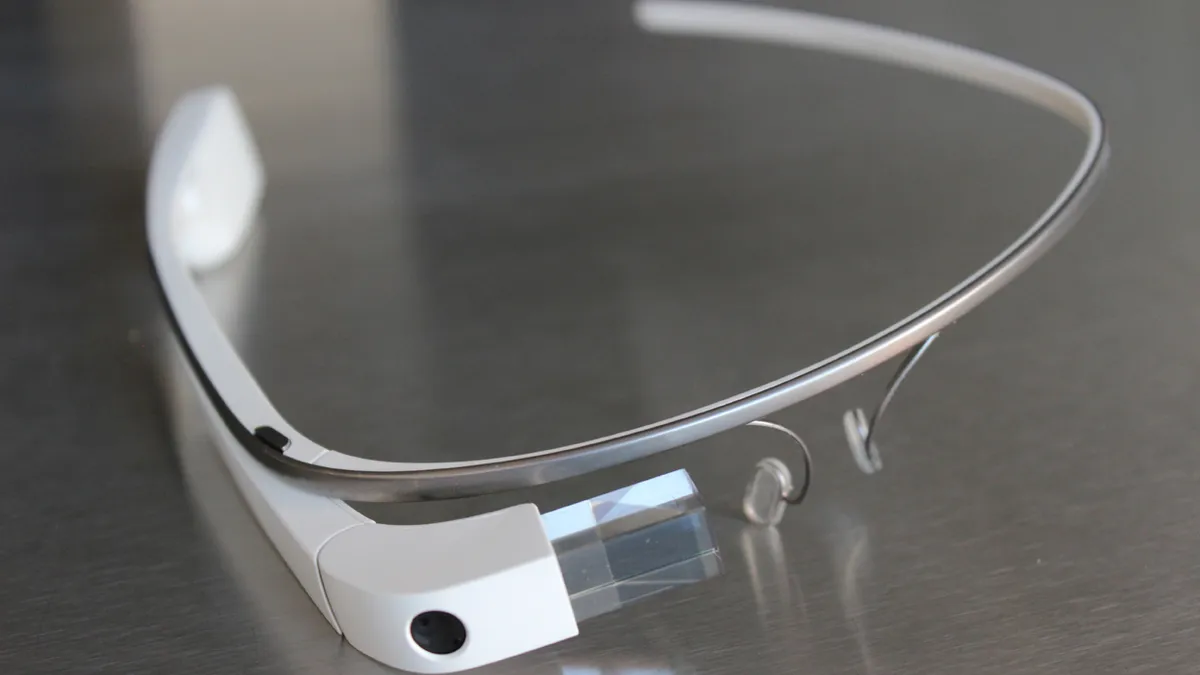
I’ve noted previously that Meta’s smart specs have so far managed to dodge the privacy fears that plagued Google Glass, but recently that's changed.
This report isn’t the only example of a changing sentiment towards smart glasses. Earlier this year the BBC reported on cases of women being filmed secretly and harassed by people wearing smart specs, and the judge in the ongoing social media addiction trial against Meta (and YouTube) threatened Mark Zuckerberg’s entourage with contempt after members wore smart glasses into the courtroom despite recording being banned (via Fortune).
There are also growing concerns over expanded tools Meta and others want to bring to their AI wearables. Facial recognition, and even something mundane like remembering where you left your keys would require your specs to capture a lot of data that many (myself included) aren’t very comfortable with.
There are also growing concerns over what data is and isn’t shared with AI, with smartphone manufacturers making a big deal over on-device AI — models that are small enough to live on your phone, meaning data is never sent to a server.
With Apple and Samsung said to be working on their own smart specs, there is room to leverage their phone’s on-device AI for a privacy win. Their smart glasses could use your phone’s AI for many tasks, and only use a server when necessary — giving them improved offline functionality, but also some added security for your data.
Meta, without a phone of its own, doesn’t have the same luxury of on-device AI to push back on the privacy argument.

One potential solution to Meta’s woes would be greater user privacy control. Messages and some specific images taken by the glasses for context will need to be shared with Meta, but there should be an option to not share content captured outside of the Meta glasses’ Look and Ask feature.
And as the AI needs to analyze more and more data to make tools work, Meta may want to implement something similar to Apple’s Private Cloud Compute, which serves as private server for Apple Intelligence.
Because even if people are agreeing to their data being shared, let’s be honest, most of them don’t realize what they’re signing away. And when they see stories about Meta contractors apparently seeing them in the bathroom, they’ll understandably get scared and want to switch to a different platform.
With Android XR expected to step into gear this year, those alternatives might be here soon, and if they can crack AI privacy in a way Meta hasn’t, I can see plenty of folks jumping ship. I know I will.
Follow TechRadar on Google News and add us as a preferred source to get our expert news, reviews, and opinion in your feeds. Make sure to click the Follow button!
And of course, you can also follow TechRadar on YouTube and TikTok for news, reviews, unboxings in video form, and get regular updates from us on WhatsApp too.
