





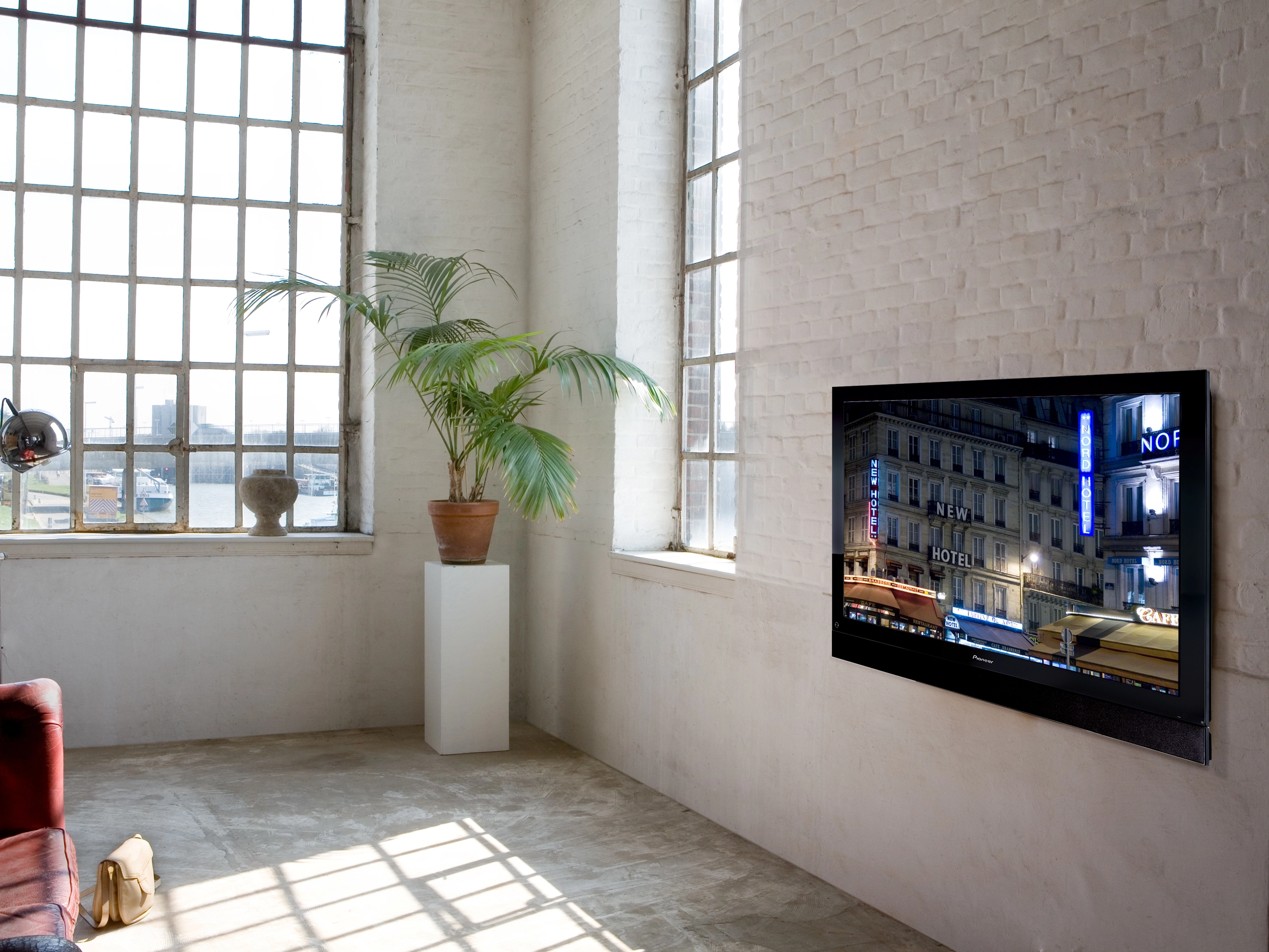
It's a funny kind of achievement, but Pioneer's supreme skill at achieving an almost total absence of light on its Kuro plasma TVs will be sorely missed.
The king of thin is dead. In the face of a predicted record net loss of around £750 million this year, Pioneer has called a halt to its delectable Kuro range of hi-def plasma TVs.
It's also the end for its new Kuro LCD TVs, but early reviews suggest Pioneer was right in its original assertion that plasma is by far the better tech for anyone after true realism on a flat TV.
But should we be mourning the passing of these luxury home cinema screens? Although they're undoubtedly the finest flatscreen TVs around, most people cannot afford a Kuro.
For at least £2,000 and £4,000 respectively, its 50-inch PDP-LX5090 and 60-inch PDP-LX6090 screens are the reserve of the wealthy. It's projector, the KRF-9000FD - also dropped from the line-up along with its LCD TVs - sells for north of £6,000.
You could argue it's like the nationwide kerfuffle at the last flight of Concorde, an occasion mourned even by those never likely to take a supersonic trip.
Worrying trend
But the disappearance of Pioneer plasmas from the market does mark a worrying trend in the world of flatscreen TVs, where making top-draw products isn't enough to turn a profit.
The likes of Sony, Panasonic and Toshiba have all posted losses recently that dwarf even the turnover of the relatively tiny Pioneer, while the wobbly world economy has already claimed Hitachi, who pulled-out of plasma last month to concentrate solely on its Ultra Thin LCD line-up.
The departure of Pioneer, a company that has more experience in the flatscreen market than any other, is a sadder affair. Although Kuro - Japanese for black - was then a distant marketing idea, it was Pioneer that developed and sold the first high definition TV in 1999, long before any other manufacturer cottoned onto the 'HD Ready' idea.
But the announcement isn't as bad for flat TV hunters as it first appears. Having announced almost a year ago that after a fourth year in the red it was to stop manufacturing its own plasma panels, Pioneer had planned to base its tenth-generation (G10) plasmas around panels made by Panasonic.
Kuro's time was almost up before yesterday's announcement. Despite its own panels being the secret behind the Kuro screens' unique ability to achieve the true black so beloved of home cinema aficionados, Pioneer had promised to work with Panasonic to ensure the quality of the G10 screens matched its own very high standards.
That idea is now dead in the water, with presumably fairly advanced plans to release G10 screens in the UK late this year now cancelled. In fact, when the deal was inked with Panasonic to supply plasma panels, a lot of Pioneer's engineers left - in their thousands - to join their new partner.
Panasonic steps up
At January's CES in Las Vegas, Panasonic showed-off an ultra-thin 50-inch plasma measuring just 8.8 mm in depth. Twelve months earlier it was a Pioneer plasma of similar proportions that had the audience gaping.
Coincidence? We can only speculate, just as we can but guess that Pioneer could now make more money from licensing patents on its excellent Kuro plasma technology than it ever could from manufacturing its own TVs.
Whether the Kuro name itself will be sold remains to be seen, but its short-term future seems assured. Pioneer will continue to produce and sell its G9 plasmas - a range that includes 50-inch and 60-inch plasmas in various guises - until March 2010, effectively extending their shelf life by almost a year.
