





- The process makes espresso-strength coffee in under three minutes
- It brews at room temperature via ultrasonic waves
- The process reduces energy use by up to 75%
Scientists have come up with a way of making coffee at room temperature, and it's much faster than any cold brew: where that takes 12 to 24 hours, this new method makes espresso in less than three minutes. The secret? Ultrasound.
As Francisco Trujillo, senior lecturer at the School of Chemical Engineering in Sydney, explains, "As someone from Colombia, I like to think coffee is in my blood — and I'm proud to come from a country known for producing some of the best coffee beans in the world. So perhaps that's why I have spent a lot of time in my laboratory with my team asking a simple question: does espresso really need hot water?"
The answer, it seems, might be no. According to Trujillo, the ultrasonic espresso has "the same richness, the same boldness," and a quarter of the energy usage. In taste tests 100 coffee drinkers couldn't tell the difference between traditional and ultrasonic espresso, and in some cases they preferred the latter.
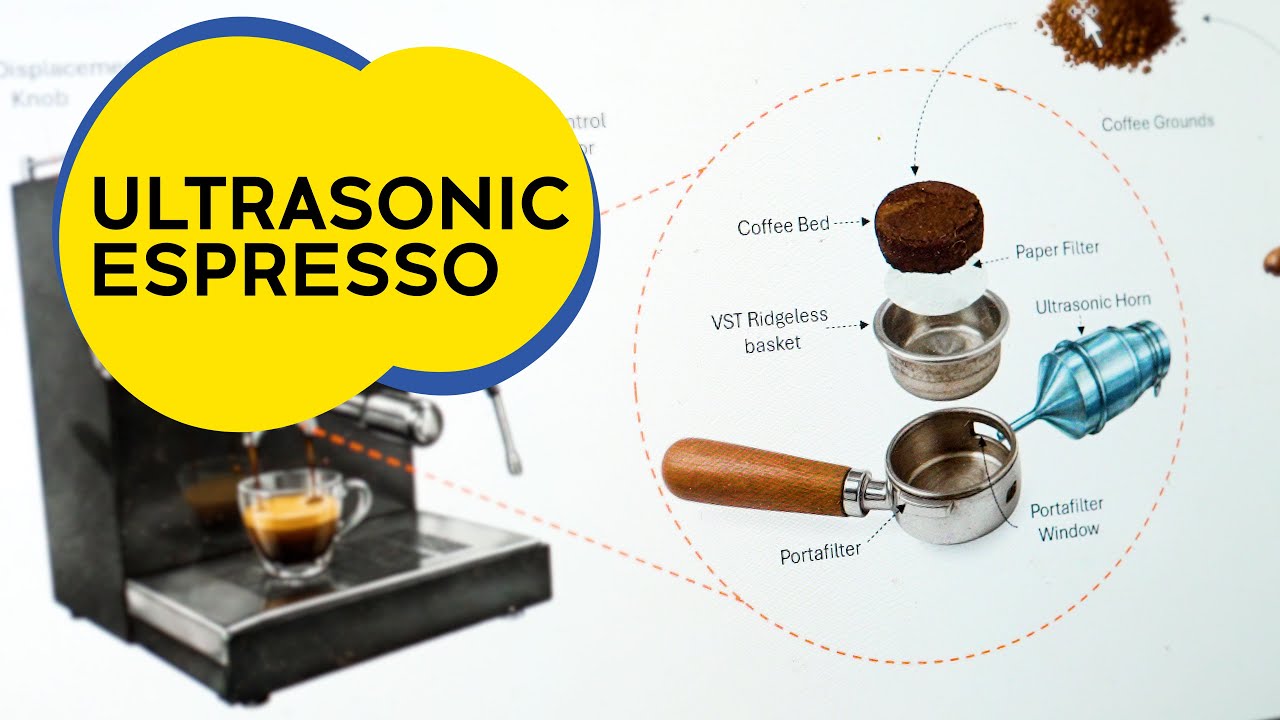
How does an ultrasonic coffee machine work?
Instead of heat, Trujillo's coffee machine uses ultrasound: sound waves at a frequency much higher than our ears can hear. By placing a transducer against the side of a traditional espresso basket and vibrating it at high frequency, the vibrations create a phenomenon called acoustic cavitation where little bubbles form and collapse in the water.
As Trujillo explains, "When these bubbles collapse near coffee particles, they produce microscopic jets and forces that act a little like scrubbing brushes. They pit and fracture the surface of the coffee grounds, helping flavor compounds, oils and caffeine move into the water much faster than they normally would at room temperature."
It's not quite a simple as giving your coffee a good shake. The team found that the brewing ratio was crucial, with too much water making too weak an espresso and too little making espresso extraction difficult. The size of the coffee grind also made a difference.
For now this is just an experiment, but Trujillo can see multiple applications for the technology: in coffee machines at home and in small coffee shops to save energy, but also in ready to drink coffee priducts. "A concentrated room-temperature coffee could be used directly in bottled drinks, milk-based beverages or cold coffee products. It can also be shipped as a concentrate and diluted later."
I don't think the best bean-to-cup coffee makers have anything to worry about just yet, and in all honesty I'd rather stick with my thermoblock coffee machine because three minutes to make a coffee is about two minutes too long for me first thing in the morning. But it's fascinating and could mean a whole new generation of to-go drinks in the not too distant future.

Follow TechRadar on Google News and add us as a preferred source to get our expert news, reviews, and opinion in your feeds.

➡️ Read our full guide to the best coffee makers
1. Best espresso:
Breville Barista Touch Impress
2. Best drip:
Breville Luxe Brewer Thermal
3. Best all-in-one:
Ninja Luxe Café
4. Best Nespresso:
Krups Nespresso Pixie
