





- Illinois is set to ban smart glasses being used while driving
- The bill makes no distinction between glasses with and without displays
- Many online fear that it gives cops too much power to pull drivers over
Illinois is poised to be the first US state to ban smart glasses — of any kind — while you’re driving. Importantly, the bill makes no distinction between smart specs with a display and those without.
Once Governor JB Pritzker approves the bill, people caught flouting the rules could face fines of $75 (or $150 for repeat offenses) and the possibility of misdemeanor or felony charges if involved in a serious crash while wearing smart glasses.
Other states, such as New York, have proposed bills limiting smart glasses use while driving, but so far none have progressed as far as Illinois’ has — though that could soon change if states decide to take Illinois’ lead.
The hope is that this proposal will make roads safer by reducing distractions for drivers.

While there’s possibly some advantage of drivers having, say, navigation on a HUD in front of them to find their destination — which is something Amazon is hoping to offer its delivery drivers with its own smart glasses — attempting to text chat or watch a video on your glasses while driving is a terrible idea.
So, to discourage this kind of dangerous driving, it’s perhaps safer to just ban smart glasses and avoid any possibility of temptation.
Safer, but for who?

While many can agree that having a display distracting you while you drive isn’t ideal, some are questioning why non-display glasses — which are completely hands-free and boast zero visual distractions — are included in the ban.
Some have therefore wondered if there’s an ulterior motive to Illinois’ smart glasses approach, or if it’s at least not very well thought out.
Over on Reddit one user pointed out that the law “Gives cops license to pull over anyone and claim ‘oh, i thought those were smart glasses’” which could be abused by bad actors to write invalid tickets — with the user linking to a viral example of a cop using Florida’s existing driver laws to pull over a woman for texting while driving using a phone in her right hand, and doubling down even when the woman shows she doesn’t have a right hand.
Meanwhile, a commenter replying to Gizmodo’s coverage of this story said the rules have “Nothing to do with driver safety. Everything to do with law enforcement not wanting to be recorded,” as it’s much easier to record police with your smart glasses than holding up a phone.
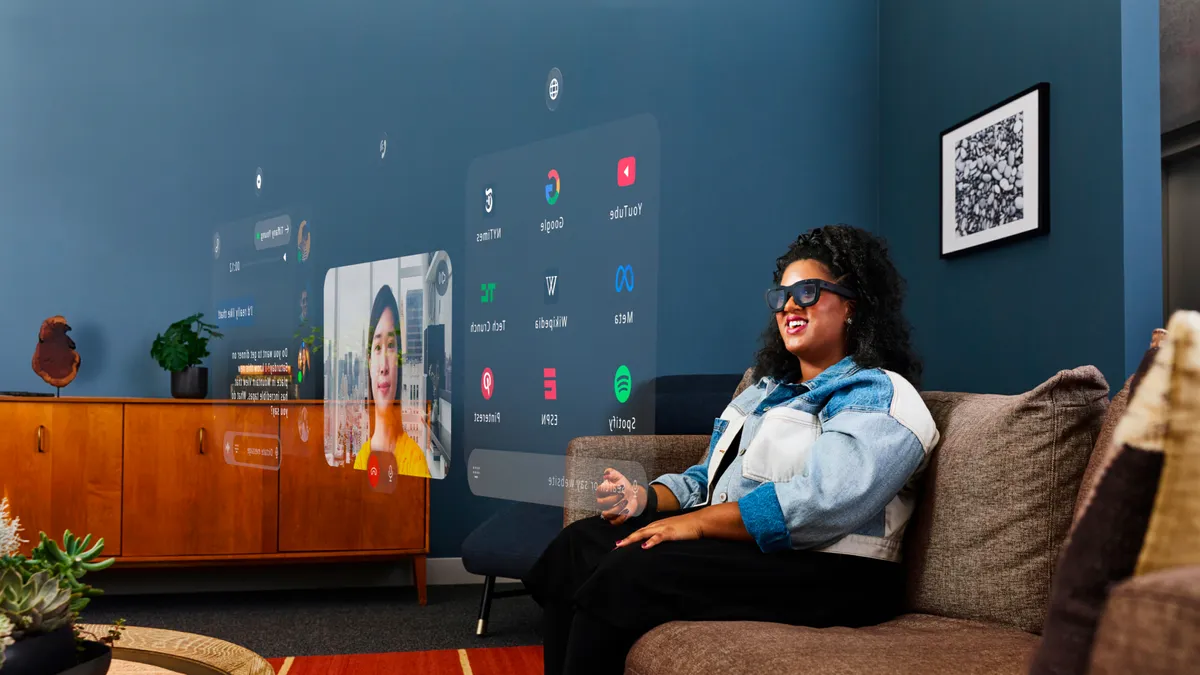
On the flip side, Illinois does have precedent for banning audio distractions; headphones, earbuds, or other headsets that play audio into both ears are illegal under the state’s vehicle code. One-ear headsets are generally allowed, and there are exemptions for some professions and audio devices that improve hearing, like hearing aids.
Because audio can be a major distraction while driving — you might not hear sirens if you have active noise cancellation turned on, for example — even in places where it isn’t expressly against the law, it is advised against, and can work against you if you’re caught in an accident while immersed in your music.
Smart glasses don’t fully immerse you because they have open-ear audio, but their audio notifications and music playing into both of your ears could cause a distraction.
Additionally, because the tech is evolving so quickly, creating nuanced carve-outs today might lead to legal disputes or confusion down the line, especially as lawmakers aren’t known for being particularly tech-savvy. There’s a simplicity to just banning smart glasses outright while driving.

Of course, these rules are just for one state, assuming they get signed into law at all, but smart glasses regulation seems to be on the agenda for a growing number of local and national governments in an attempt to curb bad actors.
So don’t be surprised if similar rules start being proposed in your local area, and be sure to follow any new smart glasses rules that are introduced if you like using a pair.

Follow TechRadar on Google News and add us as a preferred source to get our expert news, reviews, and opinion in your feeds.
