





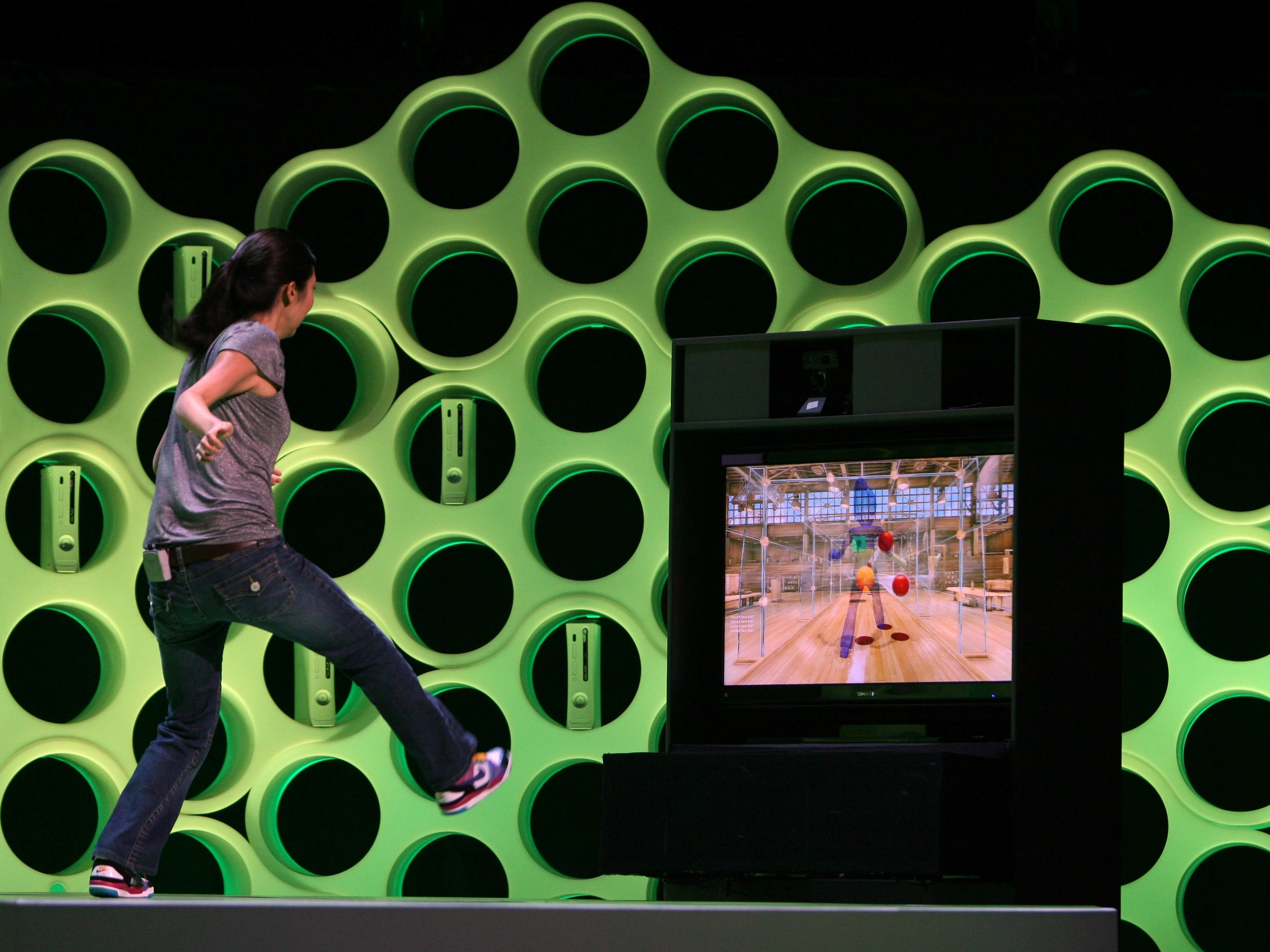
Following the announcements at CES this week that Microsoft's motion-sending Project Natal will be on sale later in 2010, Natal's lead developer, Alex Kipman has been spilling a few more beans on how the tech works.
Kipmanhas been giving demos of Natal to visiting games and tech media at the Consumer Electronics Show in Las Vegas this week, telling New Scientist how the tech is a result of Microsoft having gone out and collected "terabytes" of data of people in typical gaming poses.
15 per cent of Xbox CPU power
"Natal has to work on the existing hardware without taking too much hardware processing away from the games developers," Kipman noted, adding that Natal consumes between 10 to 15 per cent of the Xbox's computing power.
"When we train this 'brain' we are telling it: this is the head, this is the shoulder. And we're doing that over millions of frames," adds Kipman. "When it sees a new image it can tell you the probability it's seeing a certain body part based on that historical information."
This is how the a 50MB Natal software can recognise up to 31 different parts of the body in any video frame, running up to 30 frames per second (the hardware, that is, not the game you are playing).
Natal's software also "correctly positions your hand even if it's held behind your back… It knows the hand can only be in one place," a particularly important feature for when you are playing with other people.
Gesture-based iPhone gaming
Finally, the New Scientist notes that a group of researchers at the Massachusetts Institute of Technology are working on a project called BiDi (for "bidirectional"), which may well allow gesture-based gaming on an iPhone or similar mobile touch-screen device at some point in the future.
You can see a video demo of that tech over at the New Scientist's website.
Via Newscientist.com
