





- Gadgets with foreign chips are now being banned by the FCC
- Two unnamed devices have been put on the official Covered List
- However, Intel has been granted an exemption for factory robots
There's new movement in both directions on the Covered List maintained by the Federal Communications Commission (FCC) in the US — the list of banned tech products that the agency has determined are a threat to national security, including DJI hardware.
New rules that came into effect this month allow the FCC to ban not just devices from specific companies, but also devices with components from specific companies inside them. As The Verge reports, those rules are now being put into practice.
Two unnamed gadgets have been added to the Covered List because they have a HiVision chip inside — HiVision being a subsidiary of Huawei, which is already on the list. These chips are typically used in home security cameras and dashcams.
As per the FCC, they're "foreign surveillance chips", and offer "built-in detection algorithms for human faces" (a feature you might have seen advertised as a way of identifying strangers around your property, rather than friends and family).
Factory robot workers

However, one company has managed to extract a waiver out of the FCC to avoid equipment it relies on being added to the Covered List: Reuters reports that Intel has been granted an exception for the robots it uses in its semiconductor factories.
The "foreign-made advanced robotics" involved can't be sourced domestically, Intel has argued. With that in mind, the FCC has kept them off the Covered List to avoid "potential disruptions in the availability of domestic semiconductor manufacturing services".
As it stands, the waiver only lasts for a year though — Intel will then have to find some factory floor robots without foreign components inside, or apply to the FCC again to prevent its army of autonomous workers from being banned.
The 'Automated Guided Vehicles' in question have been in use for two decades, Intel says. The exemption doesn't apply to new models, but rather software, firmware, and hardware tweaks to the existing models already in operation.

Follow TechRadar on Google News and add us as a preferred source to get our expert news, reviews, and opinion in your feeds.
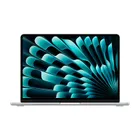
➡️ Read our full guide to the best laptops
1. Best overall:
Apple MacBook Air 13-inch M5
2. Best budget:
Apple MacBook Neo
3. Best Windows 11 laptop
Microsoft Surface Laptop 13-inch
4. Best thin and light:
Lenovo Yoga Slim 9i
5. Best Ultrabook
Asus Zenbook S 16
