





- Court ruling requires 20 million ChatGPT logs to be handed over
- De-identification safeguards are required before logs can be disclosed
- OpenAI has seven days to comply with the request
A new ruling from U.S. Magistrate Judge Ona Wang, made public on December 3, requires OpenAI to hand over 20 million ChatGPT logs so investigators can check for copyright breaches against The New York Times as part of its ongoing lawsuit.
According to Wang, releasing the logs won’t risk violating users’ privacy because “there are multiple layers of protection in this case precisely because of the highly sensitive and private nature of much of the discovery.”
Despite those assurances, OpenAI says the move still puts user privacy at risk. OpenAI has not yet issued a response to the latest ruling, but in its October 22 statement, Brad Lightcap, COO of OpenAI, said, “We strongly believe this is an overreach by The New York Times. We’re continuing to appeal this order so we can keep putting your trust and privacy first.”
Using content without permission
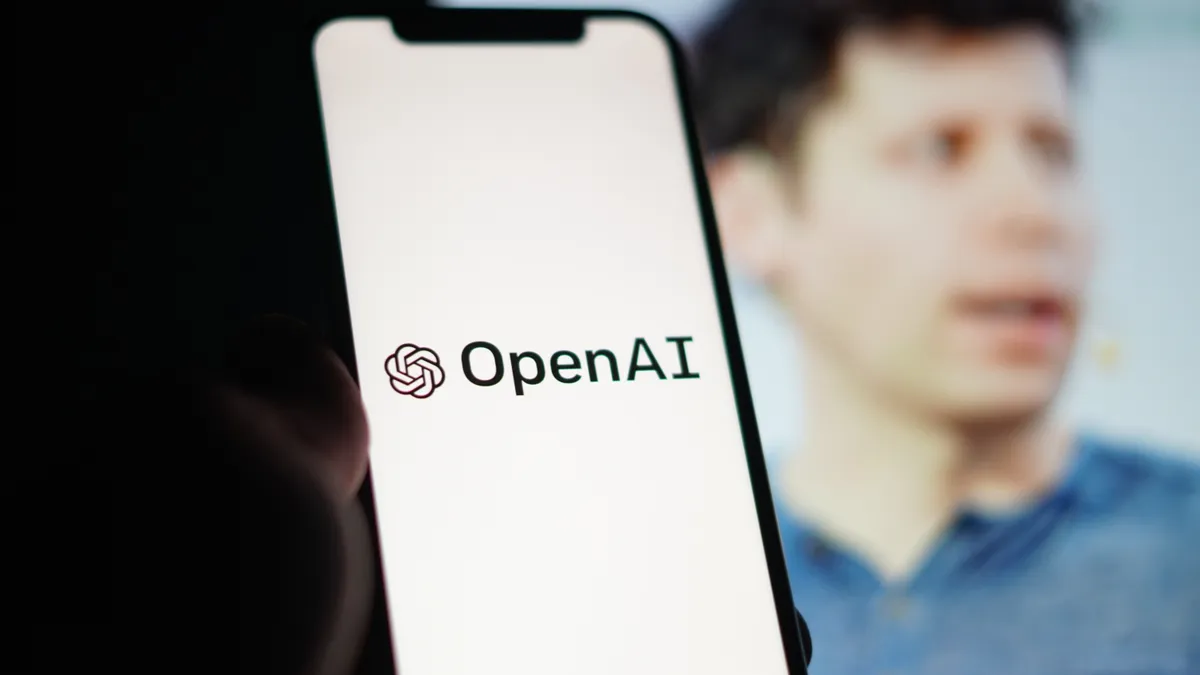
OpenAI is dealing with several legal disputes, but its fight with The New York Times so far has the biggest implications for your chat privacy. The lawsuit, filed in 2023, accuses OpenAI of using Times content without permission to train its AI systems. The Times has requested user logs to rebut OpenAI’s claim that the publication “hacked” ChatGPT’s responses to manufacture evidence.
"We will continue to fight these overreaches by The New York Times and defend long-standing privacy norms", OpenAI said in its October 22 statement.
Lightcap added: “The New York Times and other plaintiffs have made a sweeping and unnecessary demand in their baseless lawsuit against us: retain consumer ChatGPT and API customer data indefinitely. This fundamentally conflicts with the privacy commitments we have made to our users. It abandons long-standing privacy norms and weakens privacy protections.”
What happens to your chats now?
If you’re wondering whether your own conversations are now at risk, you shouldn’t need to worry going forward. OpenAI is under no obligation to preserve new consumer ChatGPT or API data indefinitely. Deleted ChatGPT conversations and Temporary Chats are currently automatically removed from OpenAI systems within 30 days.
However, the historical data covered by this ruling (described as a “statistically valid monthly sample of OpenAI’s ChatGPT output logs from December 2022 through November 2024”) may include some of your old chats. OpenAI says it has already stripped all identifying information, and Judge Wang has given the company seven days to complete that process before handing over the logs.
On the one hand, the court insists that privacy is protected. On the other hand, OpenAI says the move undermines user trust. What’s clear is that once these logs are in the hands of legal teams, experts will be dissecting them to see what can be inferred from real conversations.
For the millions of ChatGPT users, this case is a preview of the privacy battles to come regarding AI. Even if your name isn’t attached to your chats, much can be gleaned from the way we talk to chatbots, or more importantly, the way they talk back.
This is the first time that OpenAI has been forced to hand over your chat data. Once the courts get involved in copyright claims, the previous assurances around privacy start to become less certain. It’s definitely something to think about the next time you choose to disclose something personal to an AI chatbot.
Follow TechRadar on Google News and add us as a preferred source to get our expert news, reviews, and opinion in your feeds. Make sure to click the Follow button!
And of course you can also follow TechRadar on TikTok for news, reviews, unboxings in video form, and get regular updates from us on WhatsApp too.

➡️ Read our full guide to the best business laptops
1. Best overall:
Dell Precision 5690
2. Best on a budget:
Acer Aspire 5
3. Best MacBook:
Apple MacBook Pro 14-inch (M4)
