





For many years now, BT has been seen as the country's best broadband provider. For this reason, it's also the UK's most popular internet service provider.
It's also incredibly easy to see why this is the case. After all, BT has a reputation for providing a selection of different broadband packages and a wide choice of broadband and TV deals.
As a result, although BT is by no means one of the most affordable options on the market, the provider is certainly up there as one of the best, alongside the likes of Sky and Virgin Media.
Plus, although the company isn't necessarily known for providing cheap broadband deals, BT regularly runs sales and incentives across its Full Fibre and fibre broadband deals, allowing you to save some money.
So, if you are looking to switch or choose a new broadband and TV package, we’ve taken a closer look at what BT currently has available, including the best broadband deals from this popular brand.
Today's best BT broadband deals

During the current promotion, BT is also offering any Xbox users who choose selected ‘Full Fibre’ packages an Xbox Game Pass Ultimate from six to 12 months, depending on which option you choose. BT claims this is a ‘saving of up to £120’. However, if you don't want this extra, you can choose not to activate the membership.
On all the above (apart from Full Fibre 300), BT now has 12-month contracts available, but these affect the monthly costs as follows:
- Fibre Essential - £38.99 p/m with £41.99 upfront fees
- Fibre 1 - £39.99 p/m with £41.99 upfront fees
- Fibre 2 - £41.99 p/m with £41.99 upfront fees
- Full Fibre 100 - £43.99 p/m with £41.99 upfront fees
- Full Fibre 500 - £54.99 p/m with £41.99 upfront fees
- Full Fibre 900 - £64.99 p/m with £41.99 upfront fees
As a quick reminder, these are just some of the standard fibre and Full Fibre broadband-only prices you can get and often you’ll find these options for less when other deals are being run. So be sure to regularly check back to see what the latest and best BT Broadband deals are as they are released.
Additional social tariffs from BT
Why you can trust TechRadar We spend hours testing every product or service we review, so you can be sure you're buying the best. Find out more about how we test.
Like many UK broadband providers, BT also offers some discounted social tariffs for those who meet certain criteria and receive certain benefits. Right now it has two packages:
- Home Essentials 1: 36Mbps - priced at £15 per month
- Home Essentials 2: 67Mbps - priced at £20 per month
If you are interested in these options, the best course of action is to contact BT directly and see if you meet their eligibility criteria.
BT Broadband speeds compared - which is the best for me?
All of the BT Broadband deals feature unlimited data allowances. This means that the main choice you'll face is what speed to choose.
Its options range from standard ADSL broadband – which gives average speeds of 12Mbps – all the way through to ultrafast 'Full Fibre' packages, with the fastest currently offering a staggering 900+Mbps. However, being able to access the fibre and Full Fibre speeds is subject to whether or not your property is connected to its Openreach network and (for Full Fibre) if you can get a dedicated FTTP connection installed. This is something you can get more info on here.
BT broadband prices can also vary depending on if you opt for a phone line as well – currently, none of its fibre packages include a landline phone service. You can then also opt to add features like a TV subscription, which will also add to your monthly costs.
BT Broadband: contract lengths, features and more
So now you know about the different speeds, here are some FAQs about the extras you might be offered or you might encounter when shopping around for BT Broadband.
What routers come with BT Broadband?
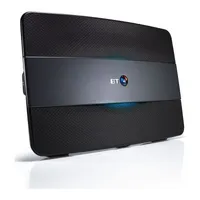
You may also get a BT Home Hub, Hub 3, Hub 4 or Hub 5 if you sign up for the Unlimited ADSL or Fibre Essential tariffs, as these are specifically for these slower speeds.
How long will my BT Broadband contract last?
With BT Broadband, the majority of contracts are for 24 months. Some 18-month deals are occasionally available, but these are rarely for new customers.
How good is BT Broadband’s customer service?
Overall, BT’s customer service for its broadband is received quite well by users. While there is an option to directly call a helpline, it also has a lot of support for its customers online via its ‘Contact BT’ page. This includes handling account management, queries, complaints and security checks.
In addition, Ofcom's latest 'consumer complaints' report about broadband shows that BT has just under the industry average (12) for complaints at 11 per 100,000 customers.
However, wider research online does show a mixed bag when it comes to customer service reviews. For instance, it has a low score of 1.4/5 with Trustpilot, based nearly 17,000 reviews, but this is mainly for the company as a whole rather than its specific broadband services.
Do I get a landline with BT Broadband?
Apart from BT's ADSL package, you don't get a landline phone service included with any of its fibre and Full Fibre broadband options. You can find out more about how phone lines and landlines work in our guide here, but if you do want a landline phone the best thing to do is speak with BT directly when choosing your package.
What broadband and phone options does BT offer?
BT has two different landline packages, but if you want to include them as a broadband and phone bundle, you can choose from the following:
- Pay as you go - as the name suggests, you pay for the calls you make to any UK landlines and mobiles. This costs an extra £5 a month.
- Unlimited minutes - you can make unlimited calls to any UK landline or mobile at any time. It costs an extra £18 a month.
In terms of the handset, you can either plug in your existing landline to your Smart Hub, or pick a new one (for a one-off cost) when you’re purchasing your broadband. You’ll also be offered a few extras like ‘international calls’ that you can bolt on, but again these are at an extra cost.
That said, you do get BT Call Protect for stopping nuisance calls and Caller Display is included as standard.
What is 'BT Virus Protect'?
All BT Broadband packages include BT's internet security tool, ‘BT Virus Protect’. It features parental controls to help you limit the websites your children can see, easy password management and protection from viruses and phishing scams. As well as your main computer, you can apply BT Virus Protect to one other laptop or use it via the ‘BT Virus Protect app’ on any Android phone or tablet.
However, it’s still a good idea to look for additional dedicated internet security options – for some inspiration check out our selection of the best antivirus software.
Does BT have 4G or 5G Broadband?
BT does have a 4G Broadband option that it offers through its 4G Home Hub. It connects you to its 4G Mobile Network and it has been designed for households who currently don’t have access to super-fast fibre speeds. You can find out more about it here.
BT has yet to offer 5G Broadband support, although it does offer 5G for its mobile users.
What happens if my BT Broadband goes down?
If you experience a broadband outage, you can contact BT directly via its customer services channels to find out what’s causing the issue. It also has an online service checker you can use. In some cases, you may be due compensation if you experience a complete loss of service over a certain period of time.
However, it now has a product called ‘BT Hybrid Connect’ that you can pay for each month. This is delivered through its partnership with EE, and if your broadband goes down, it will see you automatically join EE's mobile network as a stopgap while your broadband is fixed.
What other extras are available with BT Broadband?
Alongside the virus protection, the stay-fast guarantees we've included in the example deals and the Full Fibre speed boosts, you can get a number of other extras included in your broadband package.
Some are free and some come at an extra monthly charge. These can include:
- BT Complete WiFi - this improves the range of your Smart Hub to give connectivity in all rooms of your property.
- BT Email and Cloud storage - you will get a BT email with your chosen broadband package and some deals include over 200GB of free cloud data storage.
- Use of WiFi hotspots - BT customers can access millions of free BT WiFi hotspots around the UK.
How do you switch to BT broadband?
BT claims its broadband switching process is easy and can be completed in three steps.
1. You choose and sign up for your broadband package.
2. BT then contacts your existing provider to sort the switch and gives you a switching date.
3. Your BT Smart Hub will arrive before this date ready for you to connect after you get a text from BT to say your broadband has been activated.
What is the BT Broadband installation process like?
If you need an engineer sent out to get your broadband installed, BT can help you sort this as well. Although, BT does advise any Virgin Media customers that the ‘best thing to do is talk to us and Virgin to try and line up the switch in service’.
Usually, you’ll pick a date that works for you and then BT will confirm how long the process will take. If you’re just getting connected to the Openreach network that should be a relatively quick job that can be sorted on the day itself.
EE TV and TNT Sports add-ons

As we mentioned earlier, BT is championed for its extra TV add-ons and bundles. However, BT recently re-imagined its TV packages with its partnership with EE and it’s now referred to as ‘EE TV’.
With this, you can choose packages including:
Entertainment:
This is basically NOW's ‘Entertainment’ package. That means you're getting Sky Atlantic, Sky One, Discovery and a host of other channels. On top of that, you're also getting access to over 300 box sets.
Big Entertainment:
It's everything you're getting above... but you're also stepping it up with access to Sky Cinema and over 1,000 movies. Plus, you can get a free Netflix subscription (subject to whatever deals are on).
Sport:
This, as the name suggests, is all about sport. You get all four TNT Sports channels and that means access to live Premier League matches, every single UEFA Champions League game, UFC, WWE and more.
Big Sport:
This is everything from the Sport package above plus all 11 Sky Sports channels and a NOW Sports Membership. This means you can enjoy everything from the Premier League to F1 and Golf Majors, to name just a few examples.
Full Works:
With the 'Full Works', you are getting everything that both the Big Entertainment and Big Sport packages offer. That means Sky Cinema, Sky Entertainment, HD Sky Sports and HD Sky Atlantic, all of TNT Sports channels and a whole lot more. However, it is - as you would expect - the most expensive bundle to add on.
As we've already mentioned, these bundles do cost more and you should also be aware you may have to pay upfront fees with these too. Typically these are about £30, but BT regularly has deals that will waive these fees.
Do I get TNT Sports for free with my broadband?
Not anymore. When it was first launched as 'BT Sport' customers could get these channels for free, but this offer wasn't available for long. This has now since been rebranded as 'TNT Sports' and you need to pay extra to get these channels with your broadband. To stream this service you will also need to download and set up the Discovery+ app.
BT Broadband and TV: getting set up
How can I check if I can get BT Broadband and TV?
Much like our deals widget, BT has its own broadband and service checker. Pop in your address and phone number and it will let you know what speeds you can expect with BT in your area and what EE TV options you can access. If fibre isn't yet available, you can sign up for BT's mailing list so that they'll give you a shout when the cables have been installed.
How do I contact BT if I need help with my broadband and TV?
If you need help with your broadband or TV setup, BT doesn't exactly make it easy for you to speak to them on the phone. It seems to prefer for you to go through its online support.
But if you're determined to speak to someone, there is a phone number available, which is 0800 111 4567. This line is open 8am - 9pm Monday to Friday and 8am - 8pm Saturday and Sunday and calls to it are free.
How do you switch to BT Broadband and EE TV?
Much like with its broadband, switching to BT is actually extremely easy and BT has laid it out on its website as:
1. Choose the BT Broadband and/or EE TV package that you want. You don't need to contact your existing provider as BT will do this - unless you're with Virgin Media, then you'll need to go back and forth to get it sorted.
2. You'll get a switching date (normally within two weeks) in which your BT Smart Hub will arrive.
3. BT will text you when your BT broadband router is activated. You simply need to connect your Smart Hub and voila, you're all ready to go.
BT broadband deals comparion
If you want to see how BT’s broadband deals and its bundles compare with the rest of the market, be sure to check out our guide to the best broadband deals and our other guide to the best broadband and TV deals. This should give you a helpful point of reference if you’re shopping around for the package that truly works for you and your budget.
Plug your postcode into our handy comparison tool below to see all the best deals in your area.
