





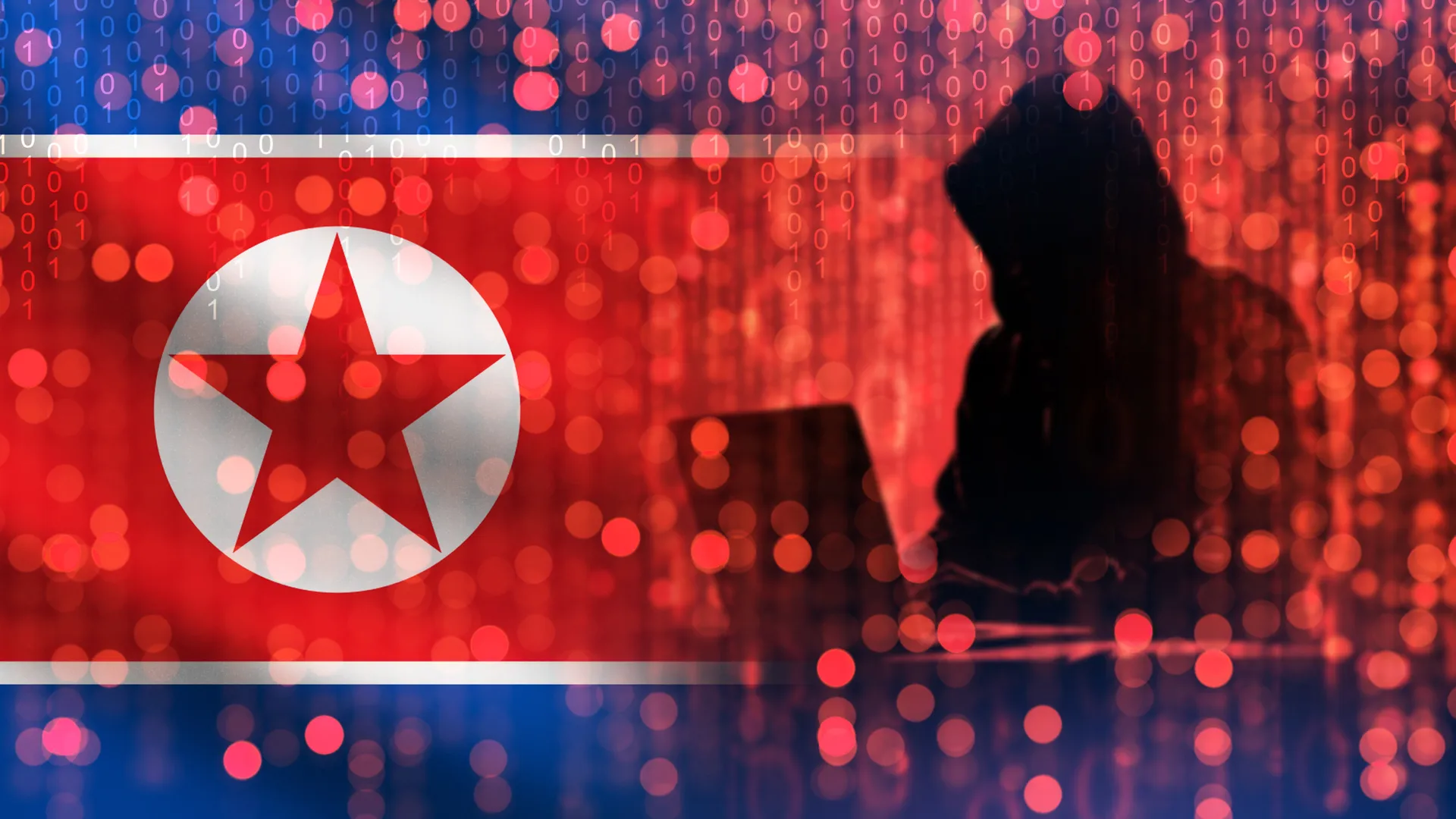
- State-sponsored attackers crafted convincing fake video calls to target cryptocurrency firms
- A clipboard hijack trick replaced benign commands with malware‑deploying code
- The operation enabled rapid credential theft, persistence, and full system compromise
Security researchers Arctic Wolf have revealed details of a highly sophisticated campaign targeting North American Web3 and cryptocurrency companies.
It is conducted by state-sponsored threat actors called BlueNoroff, a financially motivated subgroup of the dreaded North Korean Lazarus Group, with a goal of establishing persistent access on their target’s devices.
They do so by tricking the victim into installing malware on the computers themselves, but the way they do it is quite advanced.
ClicFix has entered the chat
While preparing for the attack, the threat actors would use real, high-value people from the Web3 world, generate convincing headshots using ChatGPT, and create semi-animated videos using Adobe Premiere Pro 2021.
They would then create a fake Zoom video call website identical to the actual Zoom call page, and would display the video to make it look even more convincing.
BlueNoroff would then invite the actual victim through Calendly, almost half a year into the future (most likely to make it look more convincing - important people are, after all, super busy).
When the victim clicks on the Zoom link, they see what they’re used to seeing - a video call page with the person on the other side moving and acting as if they were real. However, eight seconds into the call, a message would pop up across the screen, saying their “SDK is deprecated” and presenting them with an “Update Now” button.
The button leads to a typical ClickFix technique - to “fix” the problem, the victim needs to copy and paste a command. But since many are now aware of these attacks, BlueNoroff takes it a step further - the code being copied is actually legitimate and benign.
However, the fake Zoom website has a malicious JavaScript application embedded which handles the “copy” action, intercepts the clipboard event in the browser, and replaces what the user thinks they copied with different code.
That code, if executed, deploys malware on the device which establishes remote access to the system, allows BlueNoroff to exfiltrate credentials, session tokens, and other sensitive business data, and grants them the ability to move laterally throughout the network.
“The technical execution chain in this campaign is both efficient and operationally disciplined,” Arctic Wolf said. “From initial URL click to full system compromise, including C2 establishment, Telegram session theft, browser credential harvesting, and persistence, the attacker completed in under five minutes.”

➡️ Read our full guide to the best antivirus
1. Best overall:
Bitdefender Total Security
2. Best for families:
Norton 360 with LifeLock
3. Best for mobile:
McAfee Mobile Security

Follow TechRadar on Google News and add us as a preferred source to get our expert news, reviews, and opinion in your feeds.