





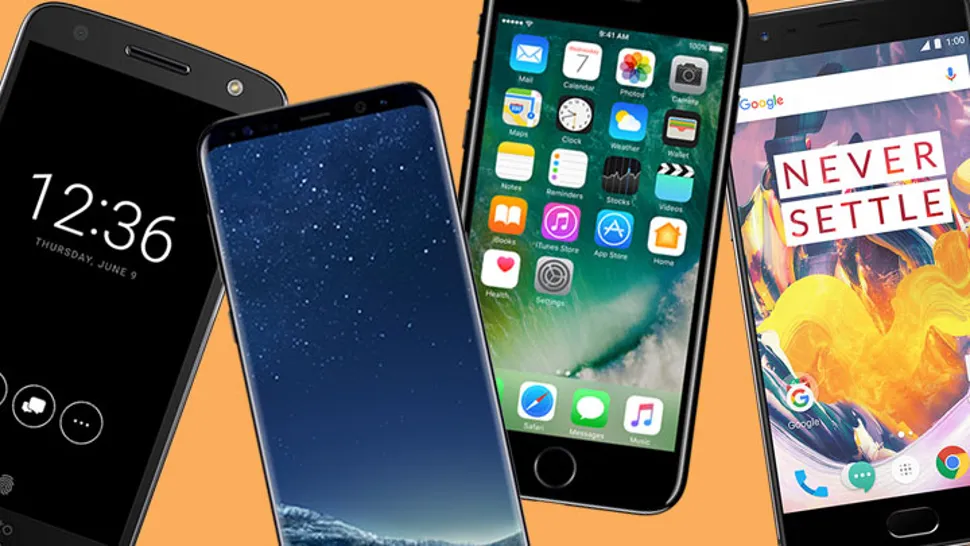
Interest in refurbished phones continues to rise as consumers look for more affordable devices, and as manufacturers face pressure to support longer product lifecycles.
Recent figures from CCS Insight claims the organized secondhand smartphone market grew 5% in 2025, outpacing the growth of new device sales. Even so, refurbished units still account for less than 10% of all smartphones sold, suggesting that a large portion of potentially reusable devices never makes it back into circulation.
While much of MWC 2026 focused, as always, on new smartphone launches, the “Would You Buy a Used Phone? How to Build Consumer Confidence in Refurbished Devices” panel discussed how the industry can extend the life of devices that are often replaced long before they stop working.
Device quality and battery performance
The session focused on the gap between consumer interest and real-world availability, with panelists pointing out that consumer confidence is a major limiting factor. Many buyers continue to question device quality, battery performance, and the reliability of after-sales support.
To address these concerns, the discussion highlighted the importance of longer warranties, standardized grading systems, certified refurbishment processes, and clearer labeling to create a more consistent and trustworthy buying experience.
Advances in technology, alongside evolving regulation, are beginning to reshape the second-hand sector. AI-driven diagnostics and grading tools are improving the speed and accuracy of refurbishment, and digital product passports are increasing transparency related to device history and condition.
At the same time, eco-design regulations are reinforcing circular-economy strategies, encouraging manufacturers and service providers to extend product lifecycles.
Younger consumers are emerging as a key driver of demand, and panelists noted that Gen Z and other younger groups show greater acceptance of refurbished devices, with far less stigma attached to buying secondhand technology.
I spoke to Rebekah Griffiths, who was on the panel and is VP of Product Management and Strategy at Assurant. She told me why so many smartphones never return to the market, how trade-in programs shape the supply of refurbished devices, and what the industry can learn from more mature second-hand markets.
- Billions of new handsets are sold every year. Why are so few smartphones refurbished? Where do the others end up, and what can be done to improve refurbishment, whether through trade-ins, gifting to family, or keeping spare devices?
Most smartphones don’t stop working before their end of life — but many simply stop being used.
A large number of phones that could be refurbished end up in drawers, kept as “just in case” backups, or left unused because people aren’t quite sure what to do with them. None of that feels wasteful in the moment, but collectively it keeps millions of perfectly usable devices out of circulation missing environmental as well as financial benefits.
From a consumer perspective, this usually comes down to timing and friction. If trading in a phone feels confusing, inconvenient, or risky — especially around personal data — people put it off. And the longer a phone sits unused, the less likely it is to be refurbished at all.
The biggest unlock is making device return simple, secure and built directly into the upgrade experience. When consumers clearly see the value and feel confident in the process, more phones can make it back into circulation for a second or even third user. These refurbished devices are better for affordability and the planet.
- How much of this is a demand versus supply problem? Younger consumers are more open to refurbished devices, and there is little stigma for Gen Z in buying secondhand items, as seen with platforms like Vinted and the success of Back Market.
This has become much less about demand and much more about supply and confidence.
Younger consumers are already comfortable buying second‑hand across categories — fashion, furniture, electronics — so the idea of a refurbished phone doesn’t feel unusual. What still matters is knowing the phone will perform as expected: that the battery is healthy, the condition matches the description, and there’s support if something goes wrong.
On the supply side, timing is key. For refurbished phones to be widely available and high quality, devices need to come back as early as possible, while they still hold strong value for their next use cycle. When phones sit unused, over time their value and condition degrades making fewer devices suitable for reuse.
So even though interest in refurbished phones is growing, availability depends on how effectively devices are returned into the system upstream. When trade‑in and upgrade programs work well, consumers see better refurbished options downstream.
- If we compare the refurbished handset market to the secondhand car market, what can we learn from it, if anything?
Second hand cars are a great analogy to the refurbed smartphone market with many parallels that can be drawn. At the heart of both markets there is residual value in the product and in order to thrive, there must be trust in the ecosystem.
The used car market is mature today having provided buyers trust in the process. When you buy a used car, you can get clear inspection standards, transparent condition grading, a warranty, and some form of protection if things don’t go to plan. That structure removes anxiety from the decision.
Refurbished phones are still catching up to that level of consistency. Battery health, cosmetic grading, and warranty coverage can vary depending on where you buy, which makes some consumers hesitate — even when refurbished offers better value than new.
The lesson from cars is that people aren’t put off by “used” — they’re put off by uncertainty. As the refurbished phone market continues to mature, with better assessments, clearer grading, and stronger warranties, refurbished phones start to feel less like a compromise and more like a smart, confident choice.
- If you had a magic wand, how would you change current market dynamics to promote refurbishing (supply) and buying refurbished devices (demand)? What are the biggest obstacles at the moment?
If I could change one thing, it would be making returning a device as easy as buying one.
Trade‑in should be a natural part of upgrading — with clear options, instant value, and reassurance that personal data will be handled securely. When that happens, participation rises without consumers having to think twice.
The second shift is consistency. In order to feel confident buying a pre-owned device, consumers need clear trust signals: transparent battery health, simple condition descriptions, and warranties that feel meaningful. When expectations are clear, refurbished phones sell themselves.
Within the used device ecosystem, it comes down to friction, trust and timing as the biggest obstacles for consumers – whether buying or selling. As the pre-owned smartphone market continues to mature, education and transparency along with program convenience are essential for consumers to participate.
- Refurbished products, like used DVDs, do not affect manufacturers’ bottom lines immediately. They can support goodwill and CSG, but lack the appeal of direct revenue on a spreadsheet. At the end of the day, is there a tacit agreement among major manufacturers that refurbished goods are inherently bad for business?
Refurbished devices are integral for a more sustainable ecosystem. In this industry, smartphones lifecycles are inherently circular. Through this lens, it isn’t about replacing new device sales but rather extending the overall value of that product lifecycle.
Refurbished devices can actually protect brand trust. Longer device lifecycles and a positive pre-owned device support structure promote confidence and loyalty. A high-quality refurbished ecosystem can keep people inside a brand experience expanding choice, improving affordability, and extending the useful life of technology that’s already been manufactured.
From a business perspective, refurbished phones also support longer‑term value through services, protection, upgrades, and customer retention. They reach customers who might not buy new at full price, rather than simply replacing new sales one‑for‑one.
The companies that have embraced this approach look at the entire device lifecycle, not just the first sale. When reuse and refurbishment are designed into that lifecycle, circularity becomes both environmentally responsible and commercially sustainable
Follow TechRadar on Google News and add us as a preferred source to get our expert news, reviews, and opinion in your feeds. Make sure to click the Follow button!
And of course you can also follow TechRadar on TikTok for news, reviews, unboxings in video form, and get regular updates from us on WhatsApp too.
