


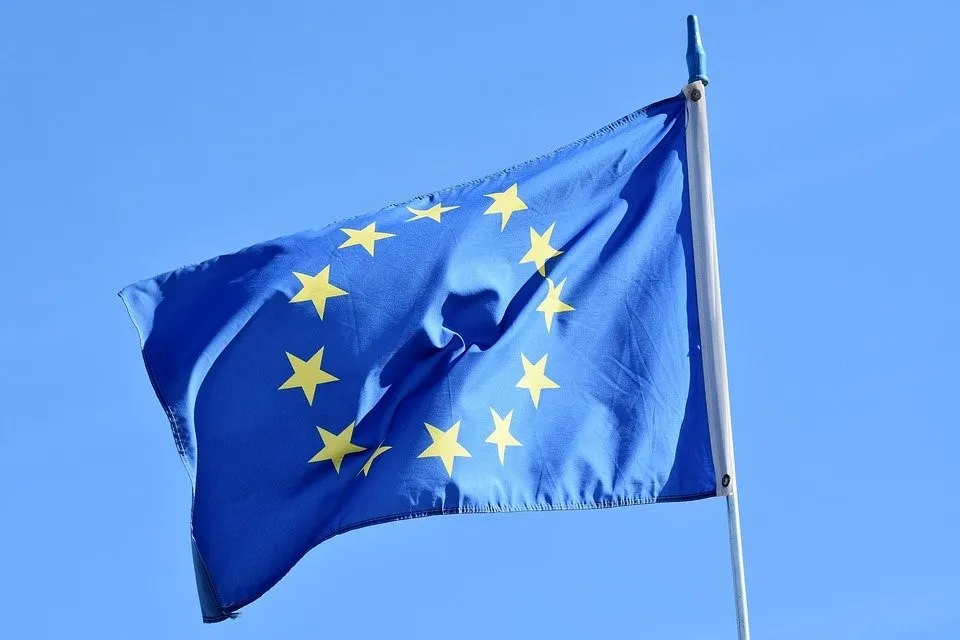
The North Atlantic Treaty Organisation (NATO) and the European Union (EU) have met to make further commitments to cyberdefense.
NATO cyber security experts met with the European External Action Service to discuss the threats posed to both military and civilian infrastructure by online threats.
“Cyberspace can be only defended in a collaborative spirit”, said David van Weel, Assistant Secretary General for Emerging Security Challenges, “Greater synergies between NATO and the EU cyber initiatives enhance the wellbeing and security for our citizens, our economies, including protection of critical infrastructure, as well as our cyber defences.”
Deter, defend, and counter
Cyberdefense emerged over recent years as a major threat to NATO as states and hostile actors have increased their cyber capabilities. One of the most recent major developments in NATO cyber defense was the establishment of the Cooperative Cyber Defence Centre of Excellence in 2008.
Since then, extensive research and development as well as training has been provided to both NATO and non-NATO members to expand and enhance cyberdefenses across the globe.
The threat of cyberattacks committed by state-sponsored groups - and even states themselves - is serious as attacks can occur out of the blue and take down civilian economic and medical infrastructure causing damage to economies and civilian populations.
The 2017 WannaCry ransomware attack initiated by North Korea affected more than 300,000 computers across 150 countries, causing an estimated $4 billion in damage worldwide.
Russia demonstrated the changing face of cyber warfare with its unprecedented attacks against Ukrainian civilian and military infrastructure in the run up to, and following its invasion of Ukraine. NATO has formally made provisions that “significant malicious cumulative cyber activities might in certain circumstances be considered an armed attack that could lead the North Atlantic Council to invoke Article 5.”
More from TechRadar Pro
- Here is a list of the best antivirus software for PC
- Rare malware used to target telcos across three continents
- Here are the best malware removal tools
